



What Is NBR Rubber?
Overview of Oil-Resistant NBR Rubber (Nitrile Butadiene Rubber)
-
What Is NBR Rubber?
NBR (Nitrile Butadiene Rubber) is a synthetic rubber created through the copolymerization of acrylonitrile and butadiene. It is renowned for its excellent resistance to oil, solvents, and various chemicals, making it widely used in industrial applications.
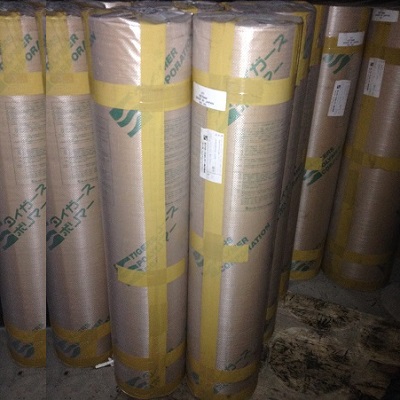
OIL-RESISTANT RUBBER TIGER-JAPAN
-
Chemical Composition
-
Acrylonitrile (ACN): Enhances oil and solvent resistance. ACN content typically ranges from 18% to 50%:
-
High ACN content → Better oil resistance but reduced elasticity.
-
Low ACN content → Better elasticity but lower oil resistance.
-
-
Butadiene: Provides elasticity, abrasion resistance, and flexibility.
-
Characteristics of NBR Rubber
-
Excellent resistance to oils and solvents, especially mineral oils, engine oils, and fuels.
-
Good abrasion, tear resistance, and mechanical strength.
-
Temperature resistance from −40°C to around 120°C (depending on formulation).
-
Good water resistance but not durable in ozone, UV, and harsh weather environments.
-
Properties can be adjusted by varying ACN content or adding specific additives.
-
Applications of NBR Rubber
-
Automotive Industry:
-
Gaskets, seals, fuel and oil hoses.
-
Sealing components for hydraulic oil systems.
-
-
Oil and Gas Industry:
-
Oil-resistant rubber hoses, gaskets in oil pumps.
-
-
Glove Manufacturing:
-
Protective gloves, chemical-resistant medical gloves.
-
-
Machinery Components:
-
Oil-resistant seals, gaskets, fuel hoses.
-
-
Consumer Products:
-
Rubber pads, oil-resistant footwear.
-
-
Limitations of NBR Rubber
-
Poor resistance to sunlight, UV rays, and ozone.
-
Not resistant to strong acids or aggressive solvents like ketones and esters.
-
Can harden and become brittle when exposed to excessive heat for prolonged periods.
-
Comparison Between NBR and Other Rubber Types
| Property | NBR (Nitrile Rubber) | NR (Natural Rubber) | EPDM | Silicone |
|---|---|---|---|---|
| Oil Resistance | Very Good | Poor | Poor | Moderate |
| Temperature Range | −40°C to 120°C | −50°C to 80°C | −50°C to 150°C | −60°C to 250°C |
| Elasticity | Moderate | Very Good | Good | Moderate |
| Chemical Resistance | Good (Oils, Solvents) | Poor | Very Good (Chemicals, Ozone) | Very Good |
| Ozone & Weather Resistance | Poor | Moderate | Very Good | Very Good |
| Mechanical Strength | Good | Very Good | Moderate | Moderate |
-
NBR Variants
-
XNBR (Carboxylated NBR): Offers enhanced abrasion resistance and mechanical strength.
-
HNBR (Hydrogenated NBR): Improved resistance to heat, ozone, and chemicals.
-
Summary
NBR rubber is an ideal material for applications requiring oil, solvent, abrasion, and moderate temperature resistance. However, it should be protected from sunlight, ozone, and strong chemicals to maintain long service life.
📞 Contact PME – Your Trusted Industrial Equipment Partner
Phuc Minh Engineering Co., Ltd (PME) specializes in:
✅ Supplying genuine industrial equipment, pumps, valves, and water treatment systems.
✅ Consulting, installation, and maintenance for factories and production lines.
Contact Information:
- 🌐 Website: www.pm-e.vn
- 📧 Email: info@pm-e.vn
- ☎️ Tel: +84 (28) 3535 2125 | Fax: +84 (28) 3535 0254
- 📍 Address: 92/38 Street No.12, KP18, Binh Hung Hoa Ward, Binh Tan District, Ho Chi Minh City, Vietnam
- 📱 Zalo: 0902 720 814 – 0907 450 506 – 0902 800 728 – 0979 737 351
👉 PME – Delivering Reliable Engineering Solutions for Every Factory in Vietnam.
Related News
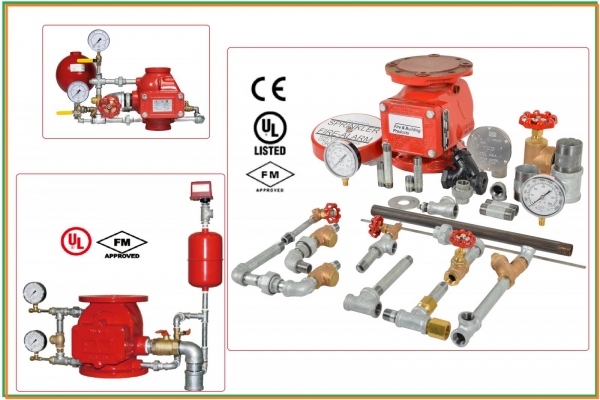
Professional Fire Protection Valve & Equipment Solutions – Leading Global Brands
24/03/2026
In any fire protection system, firefighting valves and water control equipment play a critical role in rapid response, system control, and the protection of life and property. Selecting products from world-leading brands that comply with international standards such as UL, FM, EN, and ISO ensures operational reliability, safety, and long-term performance.
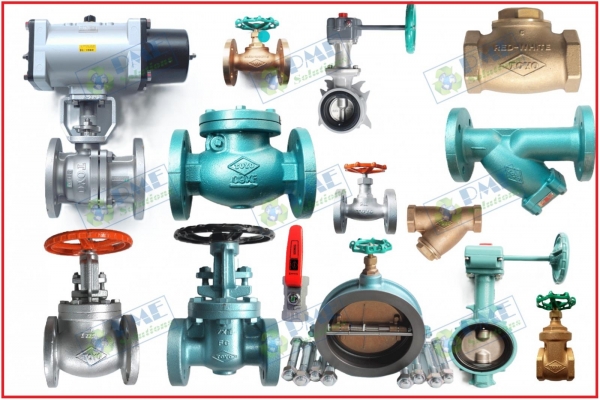
Toyo Valve Japan – Official Genuine Valves 2026 | Latest Price List
01/04/2026
Get the latest 2026 prices for genuine Toyo Valve Japan. Wide range of industrial Toyo valves, full CO & CQ, competitive prices. Contact us for professional guidance.
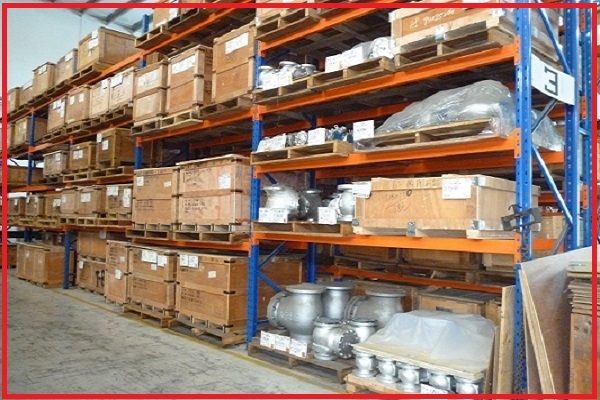
Industrial Valves
30/03/2026
Learn about industrial valves, types, applications, and latest prices. Contact Phuc Minh for high-quality valves and expert support.
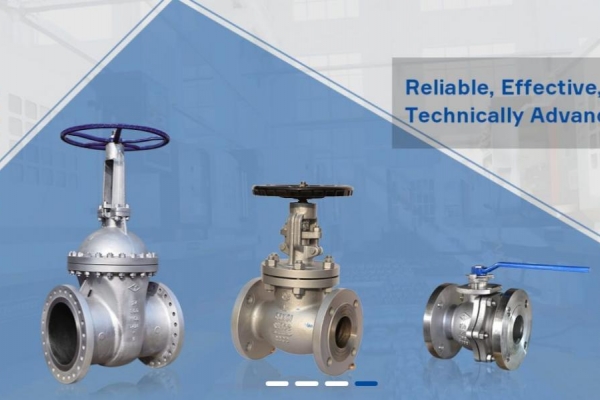
Yuanda Valve Price – Genuine Industrial Valves | PM-E.vn
31/03/2026
Get detailed Yuanda valve quotes in Vietnam from PM-E.vn. We provide a wide range of industrial valves: gate, globe, ball, butterfly, Y-strainer, and couplings. Large stock, fast delivery, competitive prices, complete CO/CQ. Contact 0907450506 – 0902720814.
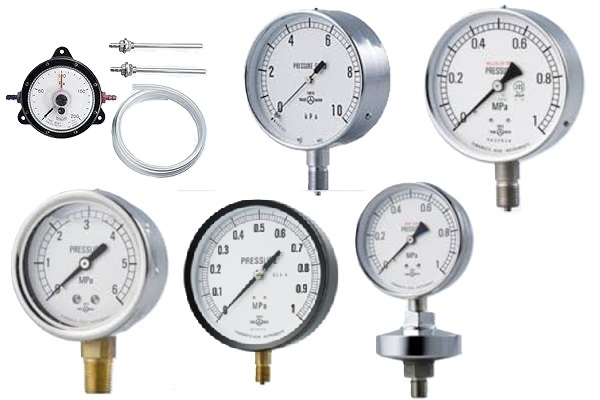
Quick Quote: Yamamoto Keiki – Genuine Japanese Pressure & Temperature Gauges for Industry
31/03/2026
Discover Yamamoto Keiki pressure gauges, thermometers, and pressure control devices – 100% made in Japan, highly accurate and durable, widely used in boilers, oil & gas, chemical, food & pharmaceutical, power plants, and HVAC systems.








Vertical Multistage Pump
Contact


AWN Dredger Pump
Contact

AMG Sand Gravel Pump
Contact

AnPump Horizontal Slurry Pump
Contact
About us

PHUC MINH ENGINEERING CO., LTD
Head Office: 92/38, No.12 St, Quarter 18, Binh Hung Hoa Ward, Ho Chi Minh City, Vietnam.
Tax Code: 0314405007
Tel: +842835352125
Fax: +842835350254
Email: info@pm-e.vn
Website: www.pm-e.vn
Quang Ngai Branch:
Address: 123/4 Vo Thi Sau, Chanh Lo, Quang Ngai, 840255, Vietnam
- Policies and regulations
- Payments
- Shipping and forwarding
- Warranty Policy
- Complaint handling process
- Exchanges and refunds
- Privacy Policy
Return Policy
Social network

.png)








Copyright © 20017 Copyright by Phuc Minh Technology Co., Ltd