



What Is a Pressure Reducing Valve? Structure – Working Principle – How to Select the Best PRV for Industrial Plants (2025)
What Is a Pressure Reducing Valve? Structure – Working Principle – How to Select the Best PRV for Industrial Plants (2025)
1. What Is a Pressure Reducing Valve?
A Pressure Reducing Valve (PRV) is a device used to reduce high inlet pressure to a stable, lower outlet pressure, helping protect piping systems, instruments, and machinery while improving operational safety.
PRVs are widely used in:
-
Steam systems
-
Compressed air, gas, nitrogen
-
Clean water – process water – chilled water
-
Oil, chemicals, and other industrial media
2. Why Do Industrial Plants Need Pressure Reducing Valves?
✅ 2.1 Reduce Dangerous Pressure Levels
Many lines supply high pressure for transmission efficiency, but downstream equipment can only withstand lower pressure.
→ PRV stabilizes pressure, preventing pipeline rupture, equipment damage, or system shutdown.
✅ 2.2 Save Energy and Reduce Losses
In steam systems, excessive pressure leads to:
-
Heat loss
-
Greater pipeline pressure drop
-
Increased boiler operating costs
PRVs help save 5–12% energy.
✅ 2.3 Extend Equipment Lifespan
Measuring devices, sensors, seals, and pumps easily fail when pressure fluctuates.
PRV stabilizes pressure → increases lifespan by 30–50%.
3. Structure of a Pressure Reducing Valve
Depending on the model, PRVs may be direct acting or pilot operated.
✅ 3.1 Direct Acting PRV (Direct Operated)
Includes:
-
Valve body
-
Adjustment spring
-
Diaphragm or piston
-
Seat & disc
-
Pressure adjustment bolt
Used for small–medium flow applications.
✅ 3.2 Pilot Operated PRV
Includes:
-
Main valve
-
Pilot valve
-
Control chamber
-
Pressure sensing system
Ideal for:
-
High-capacity steam
-
High pressure fluctuations
-
Precision control ±0.05 bar
4. Working Principle of a Pressure Reducing Valve (PRV)
✅ 4.1 General Principle
When outlet pressure increases:
-
The diaphragm/piston moves upward
-
The disc closes
-
Flow decreases
→ Outlet pressure returns to the setpoint
When outlet pressure drops:
→ The valve opens wider to stabilize pressure.
✅ 4.2 PRV for Steam Systems
The pilot valve controls pressure in the control chamber.
During pressure fluctuations, the pilot enables fast response → very stable steam pressure.
✅ 4.3 PRV for Water – Gas – Compressed Air
Diaphragm-based PRVs react quickly to downstream pressure changes.
Direct acting type is popular for water and compressed air applications.
5. Types of Pressure Reducing Valves (PRV)
✅ 5.1 By Media Type
| Media | Suitable PRV | Characteristics |
|---|---|---|
| Steam | Pilot Operated PRV | High temperature 220–350°C |
| Gas / N₂ / Air | Direct or Pilot | Stability ±0.1 bar |
| Water / Chilled Water | Direct Acting | Easy installation |
| Oil / Chemicals | Stainless Steel PRV, PTFE-lined | Anti-corrosion |
✅ 5.2 By Mechanical Design
-
Direct Acting PRV
-
Pilot Operated PRV
-
Diaphragm PRV
-
Piston PRV (high pressure)
-
Electronic PRV with sensor + PID controller
6. How to Choose the Right PRV for Industrial Plants
✅ 6.1 Identify the Working Fluid
Each medium has different:
-
Temperature
-
Viscosity
-
Material compatibility
✅ 6.2 Inlet & Outlet Pressure
Example:
-
Inlet: 10 bar
-
Required outlet: 3.5 bar
Large pressure drop → pilot type recommended.
✅ 6.3 Flow Rate
Measured in:
-
kg/h (steam)
-
Nm³/h (gas)
-
m³/h (water)
Large flow rates require pilot PRVs for stability.
✅ 6.4 Material
-
Cast iron → water, air
-
Stainless steel → oil, chemicals
-
Carbon steel/alloy → high-temperature steam
✅ 6.5 Temperature Range
-
Steam 150°C → standard PRV
-
Steam 250–350°C → carbon steel/alloy PRV
✅ 6.6 Choose Reputable Brands
Popular PRV brands distributed by Phuc Minh:
-
VYC - Spain
-
SAMYANG – Korea
-
OCV - USA.
-
CLA-VAL - USA
-
ASCO CO2 - Germany
-
VENN - Japan
-
SPIRAX SARCO – Germany
-
TLV – Japan
-
YOUYOON – Korea
7. Industrial Applications of Pressure Reducing Valves
✅ 7.1 Food & Beverage
Stable steam pressure for sterilizers, cookers, CIP lines.
✅ 7.2 Textile & Dyeing
Reduce steam from 8–12 bar → 2–3 bar for dryers & dyeing machines.
✅ 7.3 Pharmaceutical & Cosmetics
High pressure stability required → pilot PRV is preferred.
✅ 7.4 Chemical Plants
PRVs must be stainless steel and corrosion-resistant.
✅ 7.5 HVAC & Chiller Plants
Protect cooling coils & pumps by regulating chilled water pressure.
8. Installation Guide for PRVs
✅ 8.1 Piping Requirements
-
Install a strainer (20–80 mesh) before PRV
-
Ensure straight pipe run: 10D before, 5D after
✅ 8.2 Flow Direction & Mounting Orientation
-
Vertical or horizontal per manufacturer recommendation
-
Do not install close to elbows, tees, or angle valves
✅ 8.3 Install a Safety Valve
Prevents overpressure if PRV fails.
✅ 8.4 Pressure Setting
Adjust from low → high; never from high → low.
9. PRV Failure Signs & Troubleshooting
✅ Symptoms:
-
Outlet pressure fluctuation
-
Leakage
-
PRV not fully closing
-
Outlet pressure exceeds setpoint
✅ Causes:
-
Damaged diaphragm/piston
-
Weak spring
-
Dirt on the seat
-
No strainer installed
→ Recommended maintenance: every 6–12 months.
10. Where to Buy Pressure Reducing Valves?
PHUC MINH ENGINEERING CO., LTD
✅ Authorized PRV distributor
✅ CO/CQ certification
✅ Technical consultation – correct model & sizing
Contact:
📞 Hotline: 0902 800 728 – 0907 450 506
📧 Email: info@pm-e.vn
🌐 Website: https://pm-e.vn
Related News
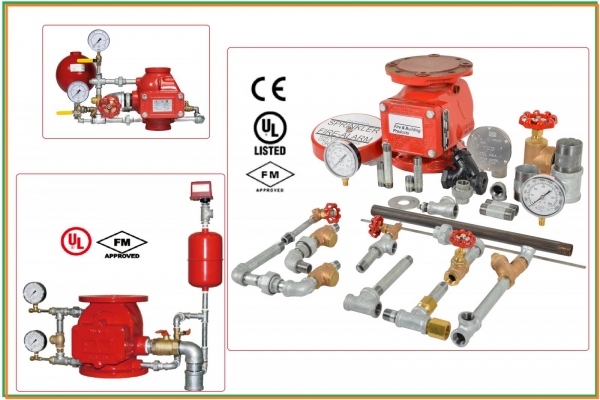
Professional Fire Protection Valve & Equipment Solutions – Leading Global Brands
24/03/2026
In any fire protection system, firefighting valves and water control equipment play a critical role in rapid response, system control, and the protection of life and property. Selecting products from world-leading brands that comply with international standards such as UL, FM, EN, and ISO ensures operational reliability, safety, and long-term performance.
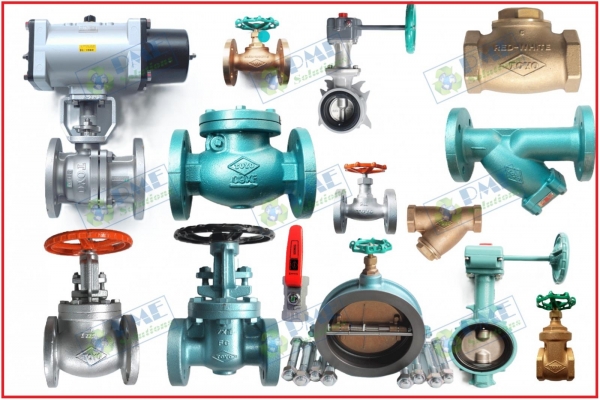
Toyo Valve Japan – Official Genuine Valves 2026 | Latest Price List
01/04/2026
Get the latest 2026 prices for genuine Toyo Valve Japan. Wide range of industrial Toyo valves, full CO & CQ, competitive prices. Contact us for professional guidance.
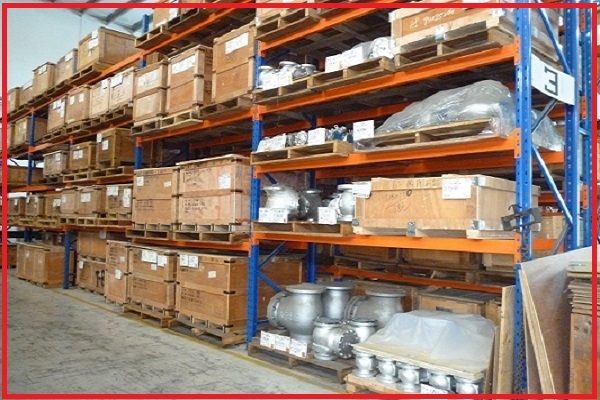
Industrial Valves
30/03/2026
Learn about industrial valves, types, applications, and latest prices. Contact Phuc Minh for high-quality valves and expert support.
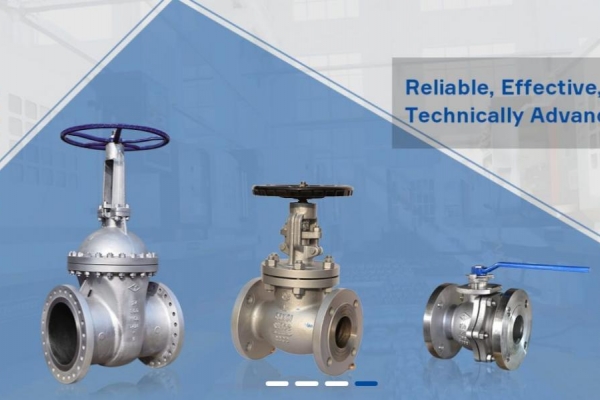
Yuanda Valve Price – Genuine Industrial Valves | PM-E.vn
31/03/2026
Get detailed Yuanda valve quotes in Vietnam from PM-E.vn. We provide a wide range of industrial valves: gate, globe, ball, butterfly, Y-strainer, and couplings. Large stock, fast delivery, competitive prices, complete CO/CQ. Contact 0907450506 – 0902720814.
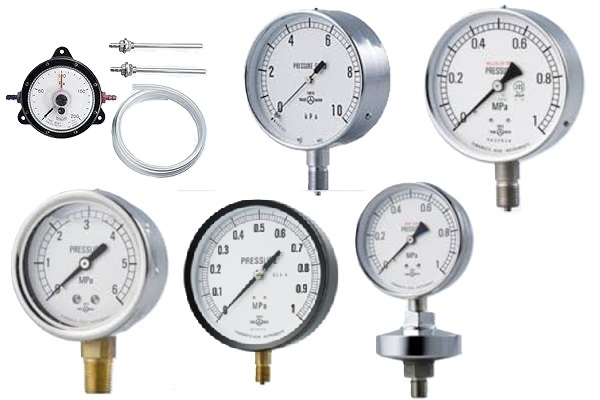
Quick Quote: Yamamoto Keiki – Genuine Japanese Pressure & Temperature Gauges for Industry
31/03/2026
Discover Yamamoto Keiki pressure gauges, thermometers, and pressure control devices – 100% made in Japan, highly accurate and durable, widely used in boilers, oil & gas, chemical, food & pharmaceutical, power plants, and HVAC systems.










About us

PHUC MINH ENGINEERING CO., LTD
Head Office: 92/38, No.12 St, Quarter 18, Binh Hung Hoa Ward, Ho Chi Minh City, Vietnam.
Tax Code: 0314405007
Tel: +842835352125
Fax: +842835350254
Email: info@pm-e.vn
Website: www.pm-e.vn
Quang Ngai Branch:
Address: 123/4 Vo Thi Sau, Chanh Lo, Quang Ngai, 840255, Vietnam
- Policies and regulations
- Payments
- Shipping and forwarding
- Warranty Policy
- Complaint handling process
- Exchanges and refunds
- Privacy Policy
Return Policy
Social network

.png)








Copyright © 20017 Copyright by Phuc Minh Technology Co., Ltd