



What Is a Globe Valve? Difference Between Globe Valve, Gate Valve, Ball Valve, and Butterfly Valve
🔷 What Is a Globe Valve?
A globe valve is an industrial valve used primarily for flow regulation and throttling in piping systems. Its internal disc moves perpendicular to the flow direction, allowing precise control of fluid flow.
Globe valves are commonly used in systems that require accurate flow control, medium to high pressure handling, and stable operating conditions, such as steam, oil, water, and chemical applications.
⚙️ Key Characteristics of Globe Valves
- Excellent flow regulation capability
- High sealing performance when fully closed
- Suitable for precise flow control systems
- Higher pressure loss compared to ball and gate valves
- Strong structure, suitable for high pressure and temperature
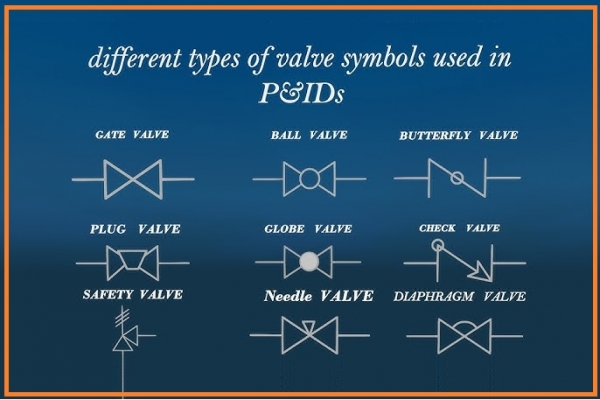
🔄 Difference Between Common Industrial Valves
🔹 1. Globe Valve
- Function: Flow regulation and throttling
- Structure: Disc moves up and down perpendicular to flow
- Advantages: Precise flow control
- Disadvantages: Higher pressure drop
- Applications: Steam, oil, chemical systems
👉 Best for frequent flow adjustment
🔹 2. Gate Valve
- Function: Full open / full close
- Structure: Gate moves vertically to block flow
- Advantages: Very low pressure loss
- Disadvantages: Not suitable for throttling
- Applications: Main pipelines, water systems
👉 Best for on/off isolation
🔹 3. Ball Valve
- Function: Quick shut-off
- Structure: Rotating ball (90° turn)
- Advantages: Fast operation, excellent sealing
- Disadvantages: Not ideal for precise throttling
- Applications: Oil & gas, air, chemical systems
👉 Best for fast and tight shut-off
🔹 4. Butterfly Valve
- Function: On/off and light throttling
- Structure: Rotating disc inside the body
- Advantages: Lightweight, cost-effective, easy installation
- Disadvantages: Lower sealing performance than ball valves
- Applications: HVAC, water systems, fire protection
👉 Best for large-diameter pipelines
📊 Quick Comparison Table
| Valve Type | Main Function | Sealing | Pressure Loss | Applications |
|---|---|---|---|---|
| Globe Valve | Flow control | Good | High | Steam, oil |
| Gate Valve | On/Off | Very good | Low | Main pipelines |
| Ball Valve | Quick On/Off | Excellent | Low | Oil, gas |
| Butterfly Valve | On/Off + light control | Medium | Medium | HVAC, water |
🏭 Conclusion
Choosing the right industrial valve such as a globe valve, gate valve, ball valve, or butterfly valve is essential for system efficiency, safety, and long service life.
- Need precise flow control → Globe Valve
- Need pipeline isolation → Gate Valve
- Need fast shut-off and tight sealing → Ball Valve
- Need cost-effective large pipeline solution → Butterfly Valve
📞 Contact Information
PHUC MINH ENGINEERING – pm-e.vn specializes in supplying industrial valves, piping components, gaskets, packing materials, and international standard equipment.
- 🌐 Website: pm-e.vn
- 📧 Email: info@pm-e.vn
- 📱 Hotline: +84 907 450 506 – +84 902 720 814 – +84 902 800 728
Related News
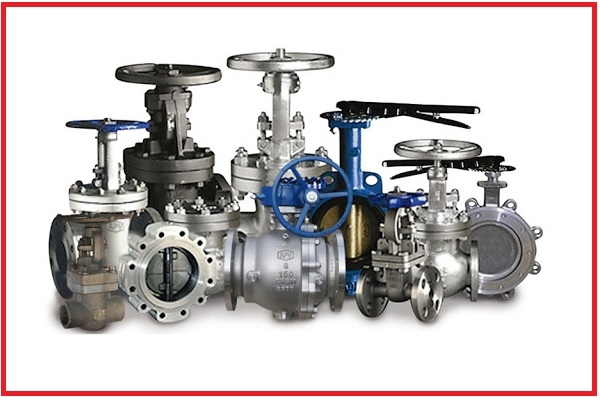
Industrial Valves Overview | Types, Structure, Standards & Applications
16/04/2026
Industrial valves overview including types, structure, ANSI DIN JIS standards and applications in piping systems. Guide for proper valve selection.
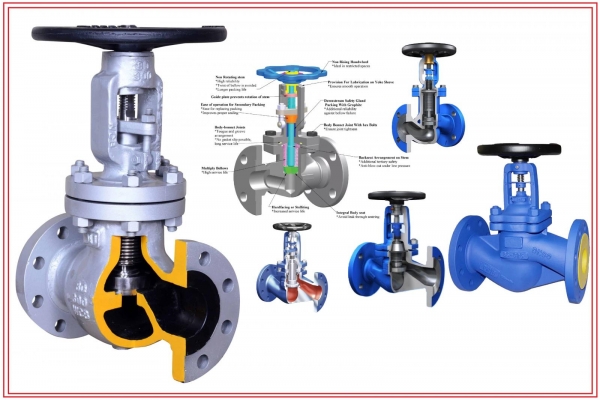
VINVAL Bellows Seal Globe Valve – Zero Leakage Solution for Industrial Applications
16/04/2026
Learn about the VINVAL bellows seal globe valve, including structure, working principle, advantages, and applications in oil & gas, chemical, and steam systems.
ASTM Material Chart for Industrial Valves | A105, WCB, CF8, CF8M Guide
15/04/2026
ASTM material chart for industrial valves including A105, A216 WCB, A351 CF8 and CF8M. Guide for selecting proper valve materials for high-pressure systems.
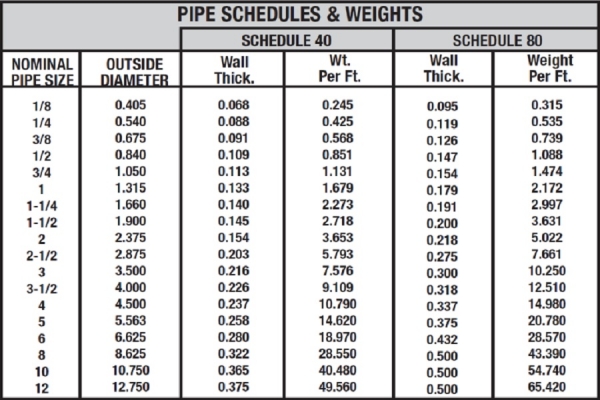
Steel Pipe Size Catalogue SCH10/SCH40/SCH80 | ASME B36.10 Standard Chart
15/04/2026
Steel pipe size catalogue SCH10, SCH40, SCH80 according to ASME B36.10 standard. Includes thickness, dimensions, and industrial piping applications.
How to Read Industrial Valve Markings | ANSI, DIN, JIS Complete Guide
15/04/2026
Learn how to read industrial valve markings including ANSI, DIN, JIS standards, material, pressure rating, and valve types. Helps engineers select valves correctly and safely.









About us

PHUC MINH ENGINEERING CO., LTD
Head Office: 92/38, No.12 St, Quarter 18, Binh Hung Hoa Ward, Ho Chi Minh City, Vietnam.
Tax Code: 0314405007
Tel: +842835352125
Fax: +842835350254
Email: info@pm-e.vn
Website: www.pm-e.vn
Quang Ngai Branch:
Address: 123/4 Vo Thi Sau, Chanh Lo, Quang Ngai, 840255, Vietnam
- Policies and regulations
- Payments
- Shipping and forwarding
- Warranty Policy
- Complaint handling process
- Exchanges and refunds
- Privacy Policy
Return Policy
Social network

.png)








Copyright © 20017 Copyright by Phuc Minh Technology Co., Ltd