



Brass Connection Pressure Gauge | Pressure Gauge Brass Connection | PM-E.VN
BRASS CONNECTION PRESSURE GAUGE | PM-E.VN
What Is a Brass Connection Pressure Gauge?
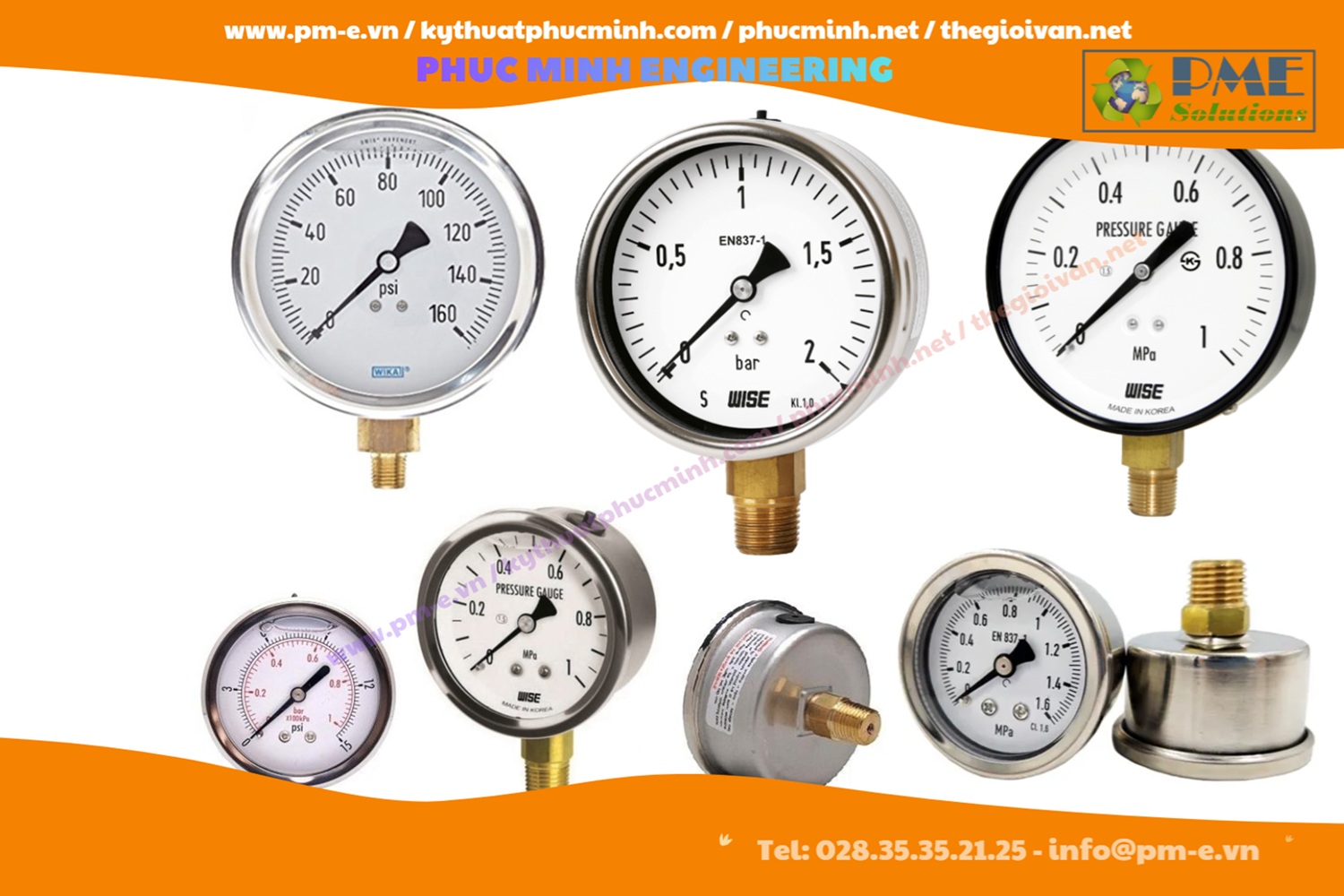
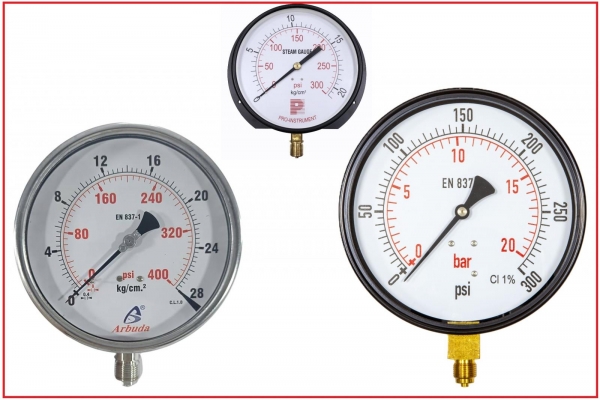
A Brass Connection Pressure Gauge is a mechanical instrument used to measure pressure in air, gas, steam, or liquid systems in industrial applications.
The key feature of this type of gauge is its brass (copper alloy) connection at the inlet, which improves sealing performance, corrosion resistance, and mechanical durability in demanding environments.
The instrument operates based on the Bourdon tube principle, providing accurate and stable pressure readings directly on the dial.
Common pressure units include:
- Bar
- PSI
- kg/cm²
- MPa
Key Features of Brass Connection Pressure Gauges
Brass connection pressure gauges are widely used due to the following advantages:
- High durability and long service life
- Excellent corrosion resistance at the connection point
- Stable operation under vibration conditions
- High measurement accuracy and easy readability
- Wide range of sizes and pressure ranges
- Easy installation and replacement
- Compatible with water, air, steam, and light industrial fluids
The device meets EN 837-1 standards, ensuring reliability and safe operation in industrial environments.
Technical Specifications
Dial Sizes
- 63 mm
- 80 mm
- 100 mm
- 160 mm
Case Materials
- Stainless Steel 304
- Stainless Steel 316
Connection Type
- Brass connection (copper alloy inlet)
Thread Sizes
- 1/4”
- 3/8”
- 1/2”
- 3/4”
- 1”
- 1-1/4”
Mounting Types
- Bottom mount
- Back mount
Gauge Types
- Liquid-filled
- Dry type
Protection Rating
- IP65
- IP67
- IP68
Accuracy Class
- Class 1.0
- Class 1.6
- Class 2.5
Working Pressure Range
- 2 bar – 40 bar
- Or customized according to system requirements
Operating Temperature
- Up to 180°C
Suitable Media
- Water
- Compressed air
- Steam
- Light oil
Construction of a Brass Connection Pressure Gauge
A brass connection pressure gauge consists of the following main components:
Gauge Case
Usually made of stainless steel 304 or 316, providing strong protection against corrosion and harsh environments.
Dial Face
Clear graduated scale for easy and accurate pressure reading.
Pointer Needle
Indicates real-time pressure values.
Mechanical Movement
Transfers motion from the Bourdon tube to the pointer.
Brass Connection (Inlet Fitting)
The key feature of this gauge, providing:
- Strong sealing performance
- Corrosion resistance
- High pressure durability
- Stable connection to piping systems
Protective Lens
Made of tempered glass for impact resistance and clear visibility.
Bourdon Tube
The main sensing element that converts pressure into mechanical motion.
Working Principle
When pressure increases inside the system, the fluid or gas acts on the Bourdon tube inside the gauge.
The Bourdon tube deforms proportionally to the pressure and transmits this movement to the mechanical system.
This motion rotates the pointer across the dial, displaying the measured pressure value in real time.
Thanks to the brass connection design, the gauge maintains stable performance even in vibrating or high-pressure environments.
Applications of Brass Connection Pressure Gauges
Brass connection pressure gauges are widely used in:
- Water supply systems
- Industrial pumps
- Compressed air systems
- Boilers and pressure vessels
- HVAC systems
- Food processing plants
- Light chemical industries
- Mechanical engineering systems
- Industrial production lines
The device is used to:
- Monitor system pressure
- Detect leaks
- Prevent overpressure damage
- Ensure safe system operation
Product Classification
Brass connection pressure gauges can be categorized by:
Structure Type
- Mechanical pressure gauge
- Liquid-filled pressure gauge
- Dry pressure gauge
Size Range
- 63 mm
- 100 mm
- 160 mm
Application Type
- Water pressure gauge
- Air pressure gauge
- Steam pressure gauge
- Industrial pressure gauge
PM-E.VN – Trusted Pressure Gauge Supplier in Vietnam
PM-E.VN – Phuc Minh Engineering specializes in supplying pressure gauges, industrial valves, and instrumentation equipment for industrial systems in Vietnam.
All products are directly imported from Japan, Korea, and Europe with full CO-CQ certification.
We distribute leading brands such as:
- YAMAMOTO KEIKI
- WIKA
- WISE
Why Choose PM-E.VN?
- Genuine imported products
- Full CO-CQ documentation
- Competitive pricing for projects and distributors
- Professional technical support
- Wide range of models and pressure ranges
- Fast nationwide delivery
- Application-based consultation
Our engineering team is always ready to help customers choose the right pressure gauge for each industrial application.
Related Products
- Oil Filled Pressure Gauge
- Compound Pressure Gauge
- Vacuum Pressure Gauge
- Diaphragm Pressure Gauge
- Water Pressure Gauge
- Air Pressure Gauge
- Low Pressure mbar Gauge
- Brass Connection Pressure Gauge
- Stainless Steel Pressure Gauge
- Steam Pressure Gauge
- Differential Pressure Gauge
Contact Us for Technical Support & Quotation
📧 Email: info@pm-e.vn
☎ Hotline: +84 902 720 814 – +84 907 450 506 – +84 902 601 875
🌐 www.pm-e.vn
PM-E.VN is committed to supplying high-quality brass connection pressure gauges suitable for water, air, steam, and industrial applications.
Related News
What Is a Flame Arrester? Why Is It Necessary?
02/07/2026
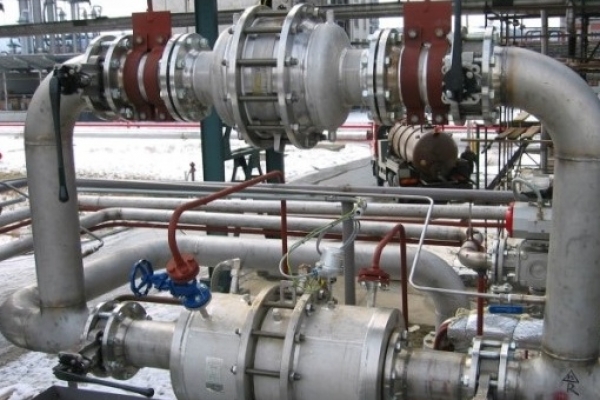
In storage and transfer systems handling flammable media such as petroleum products, chemicals, solvents, LPG, LNG, and other hazardous gases, one of the most critical safety risks is flashback ignition through piping or vent lines. A single ignition source at the vent outlet or in the surrounding environment can allow flame propagation back into the storage tank, potentially resulting in catastrophic fire or explosion.
What Types of Valves and Equipment Are Commonly Installed with a Flame Arrester?
02/07/2026
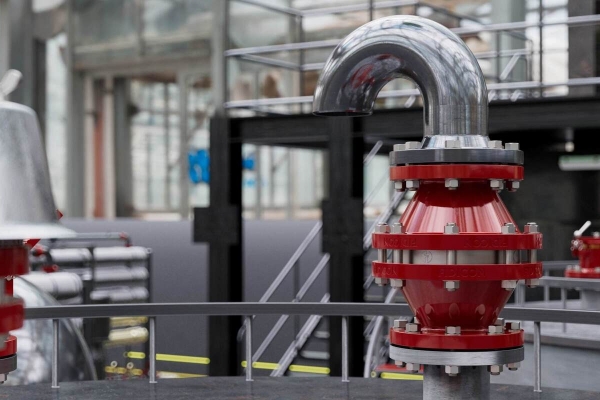
A Flame Arrester is typically not installed as a standalone device. Instead, it is commonly used in combination with safety devices such as Breather Valves, Emergency Vent Valves, and Check Valves. Each component serves a specific function, including pressure regulation, emergency pressure relief, or reverse flow prevention. Depending on the application—such as petroleum storage tanks, gas handling systems, or welding and cutting equipment—the combination of these devices will vary to provide comprehensive safety and reliable system protection.

When Is a Tank Breather Valve Required?
02/07/2026
A breather valve (Pressure Vacuum Relief Valve – PVRV) is a critical safety device for oil and chemical storage tanks. It helps balance pressure and vacuum conditions during filling, emptying, and temperature changes. This article provides a detailed analysis of five mandatory cases for installing a breather valve according to the API 2000 standard, helping engineers select the correct equipment, improve operational safety, and reduce product vapor losses.
Digital Pressure Gauge | Electronic Pressure Gauge | PM-E.VN
17/05/2026
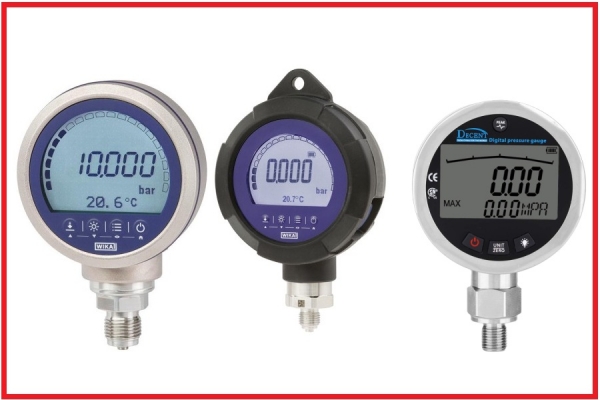
Digital pressure gauge with LED/LCD display, high accuracy, and excellent vibration resistance. PM-E.VN supplies genuine electronic pressure gauges for industrial applications.
Steam Pressure Gauge | Boiler Pressure Gauge | PM-E.VN
17/05/2026
Steam pressure gauge for boilers and industrial steam systems. High temperature resistant, durable, and accurate. PM-E.VN supplies genuine industrial pressure gauges.








Vertical Multistage Pump
Contact


AWN Dredger Pump
Contact

AMG Sand Gravel Pump
Contact

AnPump Horizontal Slurry Pump
Contact
About us

PHUC MINH ENGINEERING CO., LTD
Head Office: 92/38, No.12 St, Quarter 18, Binh Hung Hoa Ward, Ho Chi Minh City, Vietnam.
Tax Code: 0314405007
Tel: +842835352125
Fax: +842835350254
Email: info@pm-e.vn
Website: www.pm-e.vn
Quang Ngai Branch:
Address: 123/4 Vo Thi Sau, Chanh Lo, Quang Ngai, 840255, Vietnam
- Policies and regulations
- Payments
- Shipping and forwarding
- Warranty Policy
- Complaint handling process
- Exchanges and refunds
- Privacy Policy
Return Policy
Social network

.png)








Copyright © 20017 Copyright by Phuc Minh Technology Co., Ltd