



When Is a Tank Breather Valve Required?
When Is a Tank Breather Valve Required?
When Should a Breather Valve Be Installed for Oil and Chemical Storage Tanks?
In many tank design projects, the breather valve (Pressure Vacuum Relief Valve – PVRV) is sometimes considered an optional accessory rather than a critical safety device. This perception can lead to serious operational risks, particularly in storage tanks containing petroleum, solvents, or volatile chemicals.
In reality, the breather valve is one of the most important pressure protection devices for atmospheric storage tanks. Its function is to maintain internal tank pressure within the design limits, preventing overpressure or vacuum conditions that can cause structural deformation, equipment failure, and increased safety risks for the entire system.
So under what conditions is a breather valve mandatory for a storage tank? If your system falls into any of the scenarios below, installing a breather valve is not just a recommendation but a technical requirement that should be addressed early in the design stage according to standards such as API 2000, API 650, ISO 28300, and related safety regulations.
Understanding the Role of a Breather Valve Before Selection
To correctly determine the need for a breather valve, it is essential to first understand the nature of pressure variations inside a storage tank.
A closed storage tank is not a constant-pressure environment. During operation, internal pressure continuously changes due to multiple factors, including:
- Filling and discharging operations
- Expansion and contraction of internal vapor caused by ambient temperature changes
- Evaporation of volatile liquids such as gasoline, solvents, or chemicals
- Nitrogen blanketing systems or other special operating conditions
These factors continuously create pressure differentials between the inside and outside of the tank. If pressure is not properly balanced in time, the tank will be subjected to loads exceeding its design limits.
For most atmospheric storage tanks, the allowable pressure range is only a few millibars (mbar), significantly lower than that of pressure vessels. Even a slight positive pressure or vacuum beyond the design value can cause bulging, buckling, weld cracking, or structural instability.
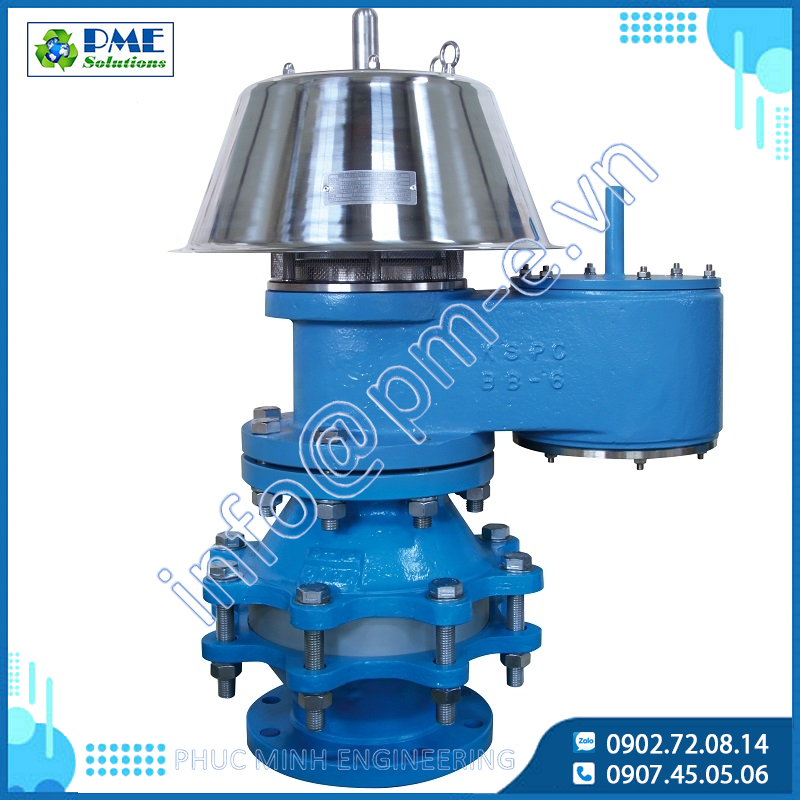
Therefore, a breather valve does not regulate fluid flow; instead, it serves as a pressure protection device for the tank itself. It automatically opens when pressure or vacuum reaches the set point, allowing the tank to “breathe in” or “breathe out” at the right moment to maintain safe operating conditions.
A breather valve can be considered the primary pressure protection device for atmospheric storage tanks, helping protect tank integrity, reduce product vapor losses, limit VOC emissions, and enhance overall operational safety.
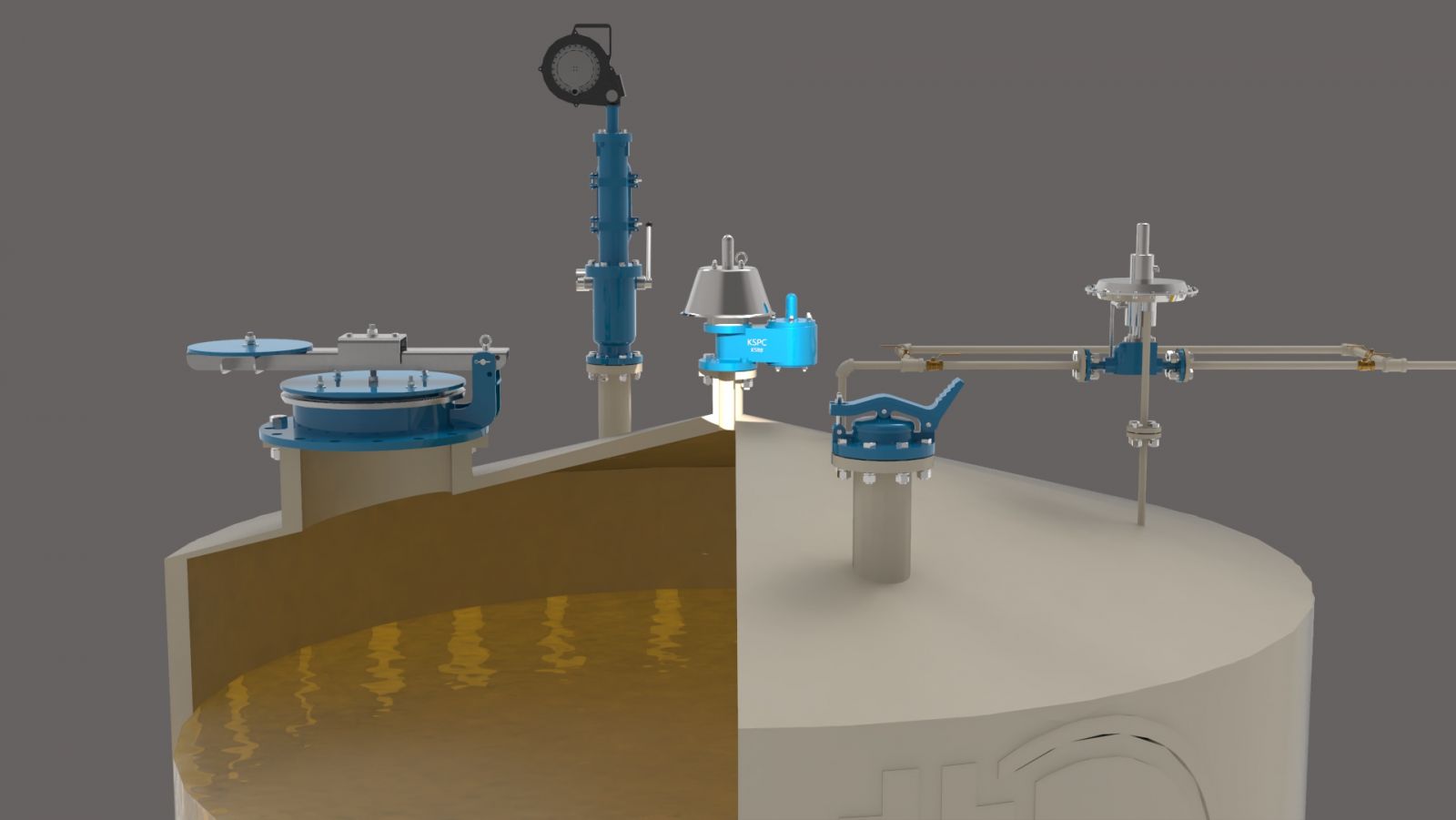
Case 1: Atmospheric Storage Tanks
For atmospheric storage tanks, installing a Pressure Vacuum Relief Valve (PVRV) is considered an essential requirement in both design and operation. These tanks are widely used for storing petroleum products, solvents, chemicals, industrial water, and various other liquids in refineries, chemical plants, storage terminals, and industrial facilities.
It is important to understand that an atmospheric storage tank is not a pressure vessel. By design, its structure is intended to withstand the static load of the stored liquid, wind loads, roof loads, and only a very small amount of positive pressure or vacuum generated during normal operation. If the internal pressure exceeds the allowable limit or excessive vacuum develops, the tank shell and roof may deform, compromising the structural integrity and service life of the tank.
In practice, this situation occurs more frequently than many engineers realize. During high-rate filling operations, the incoming liquid displaces the vapor and air inside the tank, causing the internal pressure to rise rapidly. Conversely, during product withdrawal or sudden drops in ambient temperature, the vapor space contracts, creating a vacuum inside the tank. Without a device to promptly equalize these pressure changes, the resulting pressure differential can act directly on the tank shell and roof, leading to bulging, buckling, or even structural damage.
Many petroleum storage terminals and chemical processing facilities have experienced tank deformation after only a relatively short period of operation because the tanks were either not equipped with breather valves or were fitted with valves that were incorrectly sized for the required venting capacity. Such failures not only interrupt plant operations but also result in significant repair costs, equipment replacement, and costly production downtime.
The investment required for a properly sized breather valve designed in accordance with API 2000 is minimal compared with the potential costs associated with repairing or replacing a damaged storage tank. More importantly, a breather valve helps protect personnel, equipment, and the surrounding environment by maintaining the tank's internal pressure within its safe design limits.
For this reason, virtually all closed atmospheric storage tanks, especially those used for storing petroleum products, chemicals, solvents, or other volatile liquids, should be equipped with a properly selected Pressure Vacuum Relief Valve (PVRV). Beyond meeting engineering and regulatory requirements, it is a critical safety device that ensures reliable operation, protects tank integrity, minimizes product losses, and supports compliance with internationally recognized standards.
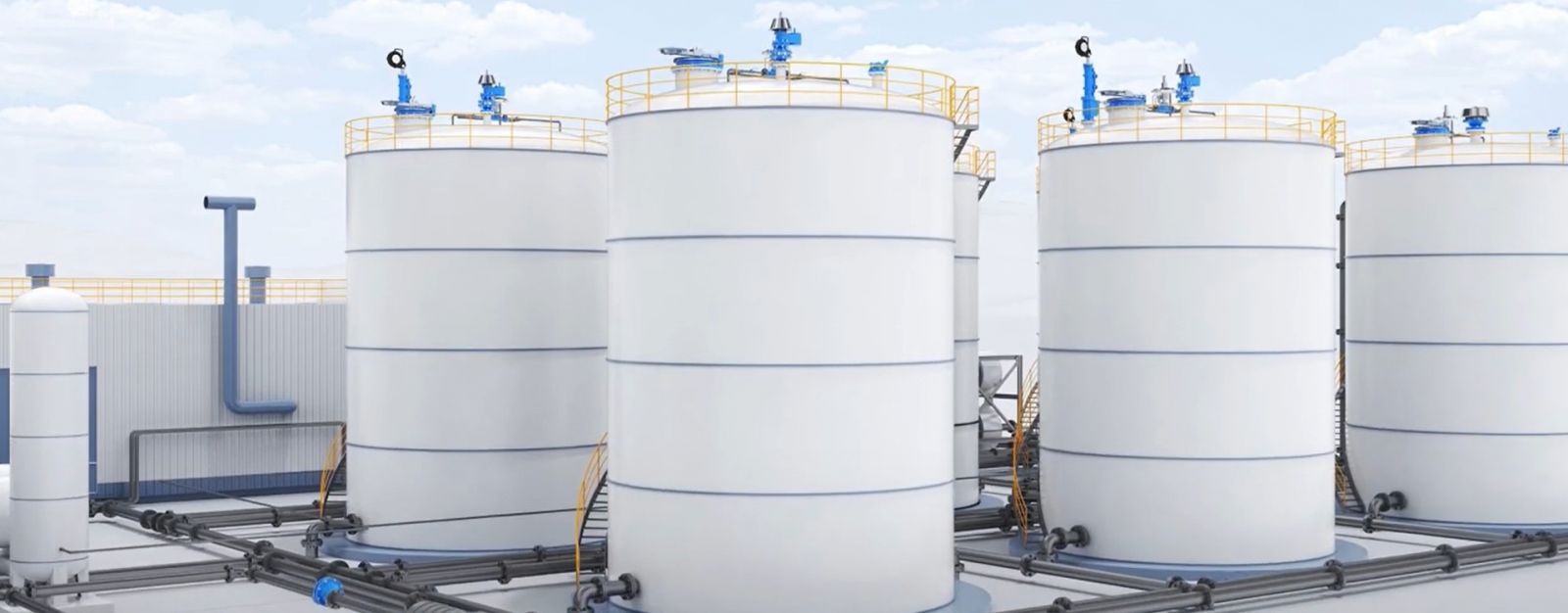
Case 2: Storage Tanks with Frequent Filling or Emptying Operations
Any storage tank that undergoes regular filling (pump-in) or emptying (pump-out) operations should be equipped with a Pressure Vacuum Relief Valve (PVRV). These operations are the most common cause of pressure fluctuations inside a storage tank and form the primary basis for determining the required venting capacity in accordance with API 2000.
During normal operation, every time liquid enters or leaves the tank, the volume of the vapor space changes accordingly. Unless the displaced air or vapor is allowed to enter or exit the tank at the same rate, the internal pressure will quickly move beyond the tank's allowable design limits.
During Product Filling (Pump-In)
As liquid is pumped into the tank, the liquid level rises while the vapor space above the product decreases. The air, hydrocarbon vapors, or chemical vapors trapped inside this space become compressed, causing the internal pressure to increase rapidly.
The higher the filling rate, the faster the pressure builds up. Without a properly sized breather valve to release the excess vapor, the internal pressure may exceed the tank's design pressure, potentially resulting in deformation of the tank roof, shell, or damage to rooftop equipment and accessories.
Under these conditions, the breather valve automatically opens at its preset pressure setting, allowing excess vapor or gas to be safely discharged and maintaining the tank pressure within its safe operating range.
During Product Withdrawal (Pump-Out)
The opposite occurs during product withdrawal. As liquid is pumped out, the vapor space inside the tank expands rapidly. If air or inert gas is not supplied to replace the lost volume, the internal pressure decreases, creating a vacuum condition.
Atmospheric pressure acting on the outside of the tank then exerts compressive forces on the tank shell and roof. If the vacuum exceeds the tank's allowable design limit, the structure may buckle, deform, or in severe cases suffer a catastrophic tank implosion.
To prevent this, the breather valve automatically opens under vacuum conditions, allowing atmospheric air or inert gas to enter the tank and restore pressure equilibrium, thereby protecting the structural integrity of the storage tank.
Breather Valve Capacity Must Be Based on Pumping Rates
One of the most common mistakes in breather valve selection is choosing the valve solely based on the storage tank capacity.
In reality, API 2000 specifies that the required venting capacity should primarily be calculated based on the maximum filling rate, maximum withdrawal rate, and the additional venting requirements caused by thermal breathing.
This means that two storage tanks with identical capacities may require completely different breather valve sizes if they operate with different pump capacities or flow rates.
Therefore, before selecting a breather valve, engineers should determine all relevant operating parameters, including:
- Maximum filling rate
- Maximum withdrawal rate
- Characteristics of the stored liquid
- Operating temperature range
- Pressure and vacuum set points
- Applicable tank design standards
These parameters provide the foundation for correctly sizing the breather valve, ensuring safe, reliable operation while maintaining compliance with international standards such as API 2000.
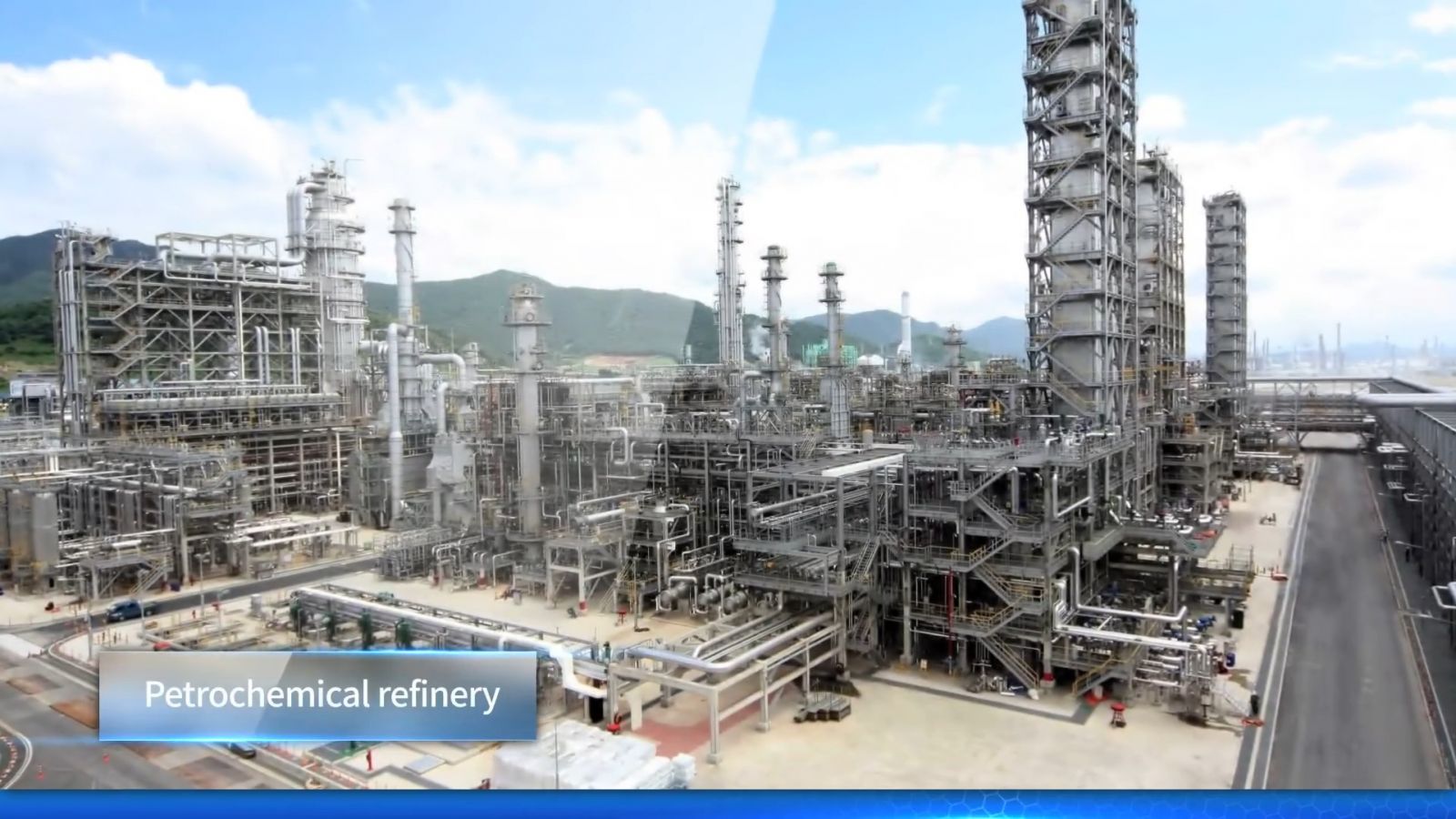
Case 3: Storage Tanks Subject to Ambient Temperature Changes (Thermal Breathing)
Not all pressure changes inside a storage tank are caused by filling or emptying operations. Even when the tank is not in active service, internal pressure continuously fluctuates due to changes in ambient temperature. This phenomenon is known as thermal breathing, and it is one of the most important factors considered when calculating breather valve capacity in accordance with API 2000.
For outdoor storage tanks, ambient temperature naturally varies throughout the day and across different seasons. These temperature fluctuations affect the tank shell, roof, stored liquid, and the vapor space above the liquid surface. Although these changes occur gradually, they are sufficient to cause the air and vapor inside the tank to expand and contract continuously, resulting in ongoing pressure variations.
When Ambient Temperature Increases
During periods of high ambient temperature, such as midday or early afternoon, heat is transferred through the tank shell, raising the temperature of both the stored liquid and the vapor space above it. As the vapor expands, the internal pressure gradually increases and may eventually exceed the tank's design pressure if it is not relieved.
Under these conditions, the breather valve automatically opens at its positive pressure set point, allowing excess vapor or gas to be safely vented to maintain the internal pressure within the allowable operating range and protect the structural integrity of the storage tank.
When Ambient Temperature Decreases
Conversely, during nighttime, heavy rainfall, or sudden drops in ambient temperature, the vapor above the liquid cools and contracts. In many applications, part of the vapor may also condense, further reducing the internal pressure and creating a vacuum condition inside the tank.
Without a pressure equalization device, atmospheric pressure acting on the outside of the tank can impose significant compressive forces on the shell and roof, increasing the risk of deformation or structural damage.
In this situation, the breather valve opens under its vacuum setting, allowing atmospheric air or inert gas to enter the tank, restoring pressure balance and maintaining safe operating conditions.
Thermal Breathing Is an Unavoidable Operating Condition
In tropical climates such as Vietnam, where the day-to-night temperature difference commonly ranges from 10°C to 15°C, and may be even greater in certain regions, thermal breathing occurs continuously throughout the service life of a storage tank.
For large-capacity tanks or those storing highly volatile products such as gasoline, diesel fuel, organic solvents, and industrial chemicals, temperature-induced pressure changes alone can generate significant venting requirements—even when no filling or withdrawal operations are taking place.
For this reason, engineers should not base breather valve selection solely on filling and emptying rates. In accordance with API 2000, the effects of thermal breathing must also be fully considered when determining the required venting capacity.
Properly accounting for thermal breathing ensures the correct sizing of the Pressure Vacuum Relief Valve (PVRV), helping protect tank integrity, minimize product vapor losses, reduce VOC emissions, and maintain safe, reliable operation under all environmental conditions.
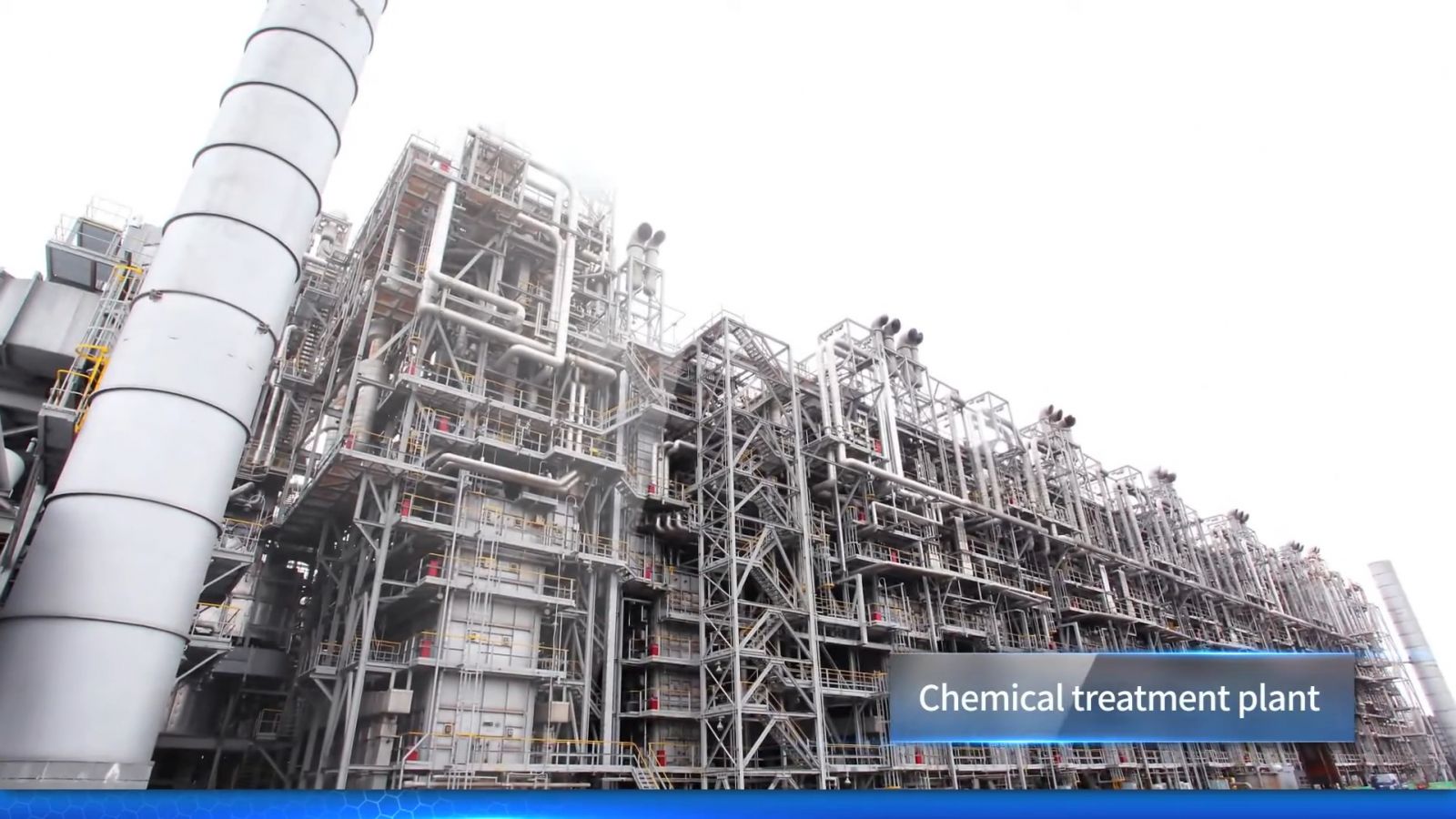
Case 4: Storage Tanks Containing Volatile, Flammable, or Hazardous Chemicals
For storage tanks containing petroleum products, fuels, organic solvents, industrial alcohols, volatile chemicals, or other liquids with high vapor pressure, installing a Pressure Vacuum Relief Valve (PVRV) is essential not only for protecting the tank structure but also for controlling vapor emissions, reducing fire and explosion risks, and complying with environmental and industrial safety regulations.
Unlike water tanks or tanks storing low-volatility liquids, these products continuously generate vapor during storage. Vapor generation becomes even more significant when ambient temperatures increase or during filling operations. If the vapor is not properly controlled, the internal tank pressure gradually rises beyond the allowable design limit while simultaneously increasing the release of Volatile Organic Compounds (VOCs) into the atmosphere.
Breather Valves Help Control Product Vapor Emissions
One of the key advantages of a Pressure Vacuum Relief Valve (PVRV) is its operation based on predetermined pressure and vacuum set points.
Unlike an open vent pipe, which allows continuous communication between the tank and the atmosphere, a breather valve remains tightly closed during normal operating conditions. It opens only when the internal pressure or vacuum reaches its preset value.
This operating principle significantly minimizes unnecessary vapor losses while still providing adequate pressure equalization whenever required.
For petroleum and chemical storage tanks, this approach helps reduce product losses, minimize VOC emissions, improve environmental performance, and support compliance with increasingly stringent environmental regulations governing industrial air emissions.
Enhanced Protection for Flammable Liquids
In addition to maintaining pressure balance, many fuel and solvent storage systems require breather valves equipped with an integrated Flame Arrester.
In the event of an external fire or flame propagation through the vent piping, the flame arrester prevents the flame front from entering the tank vapor space by extinguishing the flame before it reaches the flammable atmosphere inside the tank.
This provides a critical layer of protection against flashback ignition, particularly in storage tanks where a combustible mixture of hydrocarbon vapor and air may be present.
For petroleum terminals, chemical plants, and storage facilities handling gasoline, diesel fuel, ethanol, methanol, organic solvents, and other flammable chemicals, combining a Pressure Vacuum Relief Valve (PVRV) with a Flame Arrester is widely recognized as an engineering best practice and is required or recommended by numerous industrial safety standards and design codes.
Selecting the Right Breather Valve for the Stored Product
Every stored liquid has unique physical and chemical characteristics, including vapor pressure, volatility, operating temperature, chemical compatibility, toxicity, and flammability. Therefore, selecting the appropriate breather valve requires a comprehensive evaluation of several engineering factors, including:
- Chemical compatibility with the stored medium
- Corrosion resistance requirements
- Toxicity and environmental hazards
- Fire and explosion risks
- Required venting capacity
- Pressure and vacuum set points
- Applicable design codes and industry standards
Choosing the correct Pressure Vacuum Relief Valve (PVRV) not only protects the structural integrity of the storage tank but also minimizes product losses, reduces environmental emissions, enhances personnel safety, and ensures compliance with internationally recognized standards such as API 2000, NFPA 30, and other regulations governing the storage of petroleum products and hazardous chemicals.
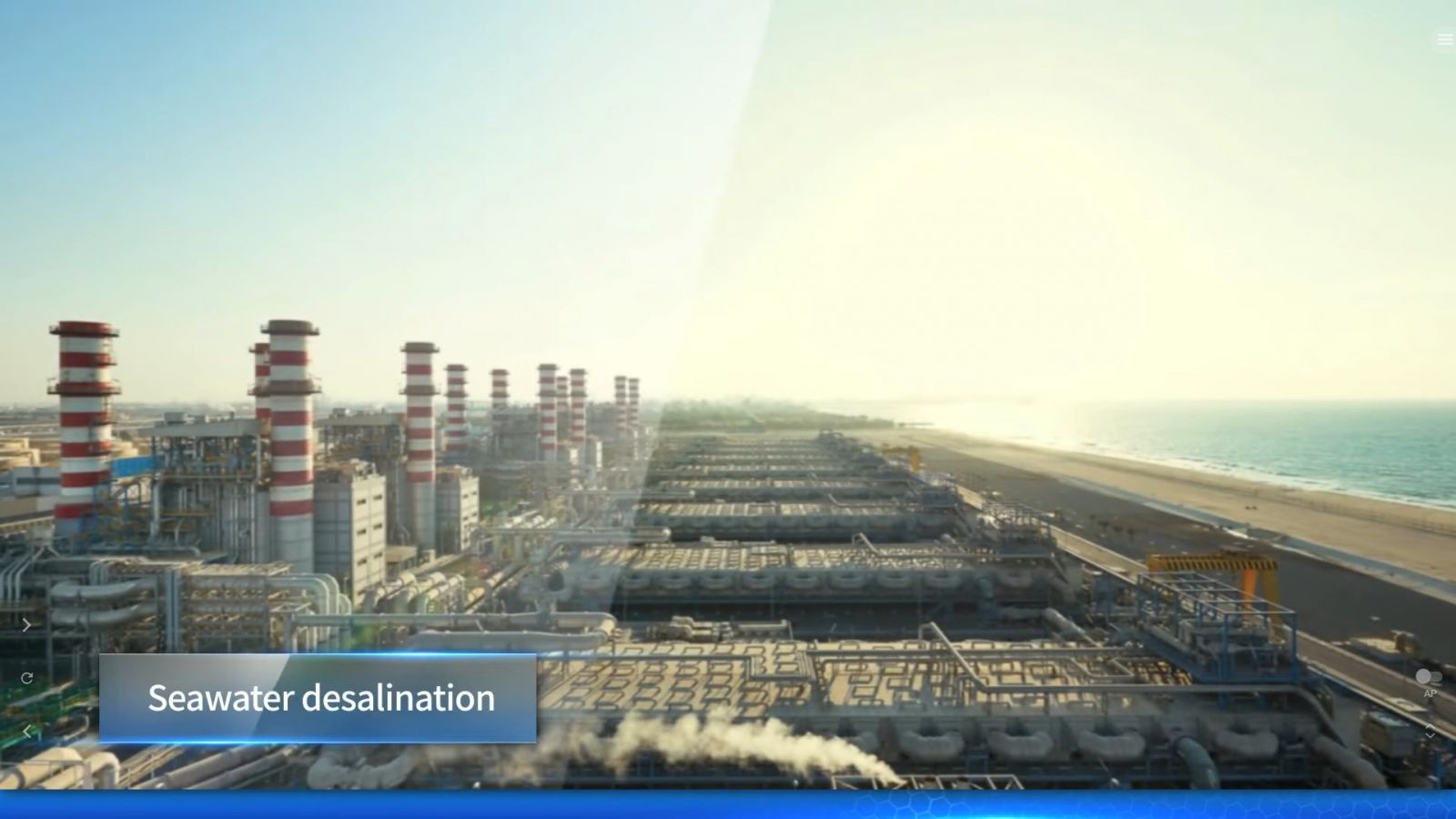
Case 5: Storage Tanks Equipped with a Nitrogen Blanketing System
For storage tanks containing petroleum products, solvents, oxidation-sensitive chemicals, or products requiring stringent preservation conditions, a Nitrogen Blanketing System (also known as Tank Blanketing) is widely used to maintain an inert gas atmosphere above the liquid surface. However, this application is also one of the most commonly misunderstood when selecting pressure protection equipment.
Many people assume that once a storage tank is equipped with an automatic nitrogen blanketing system, a breather valve is no longer necessary. In reality, this assumption is incorrect. In systems designed in accordance with international standards, the Breather Valve and the Nitrogen Blanketing System perform complementary functions and cannot replace one another.
The Role of a Nitrogen Blanketing System
A Nitrogen Blanketing System maintains a slight positive pressure inside the storage tank by supplying nitrogen gas into the vapor space above the stored liquid. This inert gas blanket provides several important benefits:
- Minimizes oxygen contact with the stored product, reducing oxidation.
- Prevents moisture from entering the storage tank.
- Reduces the risk of forming flammable vapor-air mixtures.
- Minimizes product losses caused by evaporation of volatile liquids.
Under normal operating conditions, the Nitrogen Blanketing Valve automatically regulates the nitrogen supply to maintain the preset tank pressure.
The Breather Valve Protects the Tank When the Nitrogen System Fails
Although nitrogen blanketing systems operate automatically, they are still mechanical systems and may experience abnormal conditions such as:
- Pressure regulator sticking
- Incorrect pressure set point
- Controller malfunction
- Failure of the nitrogen supply line
If the nitrogen regulator fails to close properly and continues supplying nitrogen into the tank, the internal pressure may rise above the tank's design pressure.
In this situation, the Pressure Relief Function of the Pressure Vacuum Relief Valve (PVRV) serves as an independent safety layer by automatically venting excess gas to the atmosphere, preventing excessive pressure from damaging the tank roof or shell.
The breather valve can therefore be regarded as the final pressure protection barrier when the nitrogen blanketing system no longer functions correctly.
Protecting the Tank During Nitrogen Supply Failure
The opposite operating scenario must also be considered during system design.
If the nitrogen supply is interrupted due to:
- Power failure
- Empty nitrogen cylinders or storage tanks
- Vaporizer malfunction
- Pipeline failure
- System maintenance
the internal tank pressure will gradually decrease as product continues to be withdrawn or as ambient temperature falls.
Without an appropriate pressure compensation device, the storage tank may quickly experience a vacuum condition exceeding its structural design limits.
Under these circumstances, the Vacuum Relief Function of the breather valve automatically opens, allowing atmospheric air to enter the tank and equalize the pressure, thereby preventing tank deformation, buckling, or collapse caused by excessive vacuum.
Although temporary air ingress may reduce the effectiveness of the nitrogen blanket, it is a necessary safety measure to protect the structural integrity of the storage tank. Once the nitrogen system is restored, the blanketing system will automatically re-establish the inert atmosphere under normal operating conditions.
Breather Valves and Nitrogen Blanketing Systems Must Work Together
In modern storage facilities—particularly petroleum terminals, solvent storage tanks, flammable chemical storage tanks, and applications requiring strict oxygen control—the Breather Valve does not replace the Nitrogen Blanketing System, nor does the blanketing system eliminate the need for a breather valve.
A properly engineered storage tank protection system should include the coordinated operation of:
- Nitrogen Blanketing Valve to maintain normal operating pressure and preserve the inert atmosphere.
- Pressure Vacuum Relief Valve (PVRV) to protect the tank whenever pressure or vacuum exceeds the design limits.
- Flame Arrester, where required by the stored media, applicable standards, or operating conditions, to prevent flame propagation through the vent system.
This integrated approach significantly improves operational safety, minimizes product loss through evaporation, reduces atmospheric emissions, and ensures compliance with internationally recognized standards such as API 2000, API 650, NFPA 30, and other regulations governing the safe storage of petroleum products and hazardous chemicals.
Summary: When Does a Storage Tank Require a Breather Valve?
After analyzing the most common operating scenarios encountered in storage tanks, it is clear that most atmospheric storage tanks require a Pressure Vacuum Relief Valve (PVRV). This is not merely a recommended engineering practice—it is an essential safety measure for maintaining tank pressure within its design limits.
In real-world applications, storage tanks used in petroleum terminals and chemical plants are typically subjected to multiple operating conditions simultaneously, including product filling and withdrawal, ambient temperature fluctuations, liquid evaporation, and the need to maintain an inert atmosphere through a Nitrogen Blanketing System. These operating conditions rarely occur independently and usually interact throughout the tank's service life.
Consequently, a single storage tank may experience all five operating scenarios discussed above. For this reason, installing a Breather Valve should not be considered an optional accessory but rather an integral component of every modern storage tank protection system.
Selecting the Right Breather Valve Is More Important Than Simply Installing One
Beyond deciding whether a breather valve is required, selecting the correct type and specification of valve is even more critical.
An improperly selected breather valve may fail to provide adequate protection during abnormal operating conditions, even though the system is technically equipped with a breather valve.
Common design and selection mistakes include:
- Selecting a valve with insufficient venting capacity for the actual tank requirements.
- Incorrectly setting the pressure relief or vacuum relief opening pressures beyond the tank's design limits.
- Choosing construction materials that are incompatible with the stored media, leading to corrosion or reduced service life.
- Failing to install a Flame Arrester on tanks storing flammable products or media capable of forming combustible vapor-air mixtures.
- Neglecting venting capacity calculations in accordance with API 2000, resulting in an improperly sized valve.
These mistakes can significantly reduce the effectiveness of the protection system and increase the risk of tank damage, product loss, environmental emissions, and serious safety incidents.
Conclusion
A Breather Valve is far more than a simple accessory mounted on top of a storage tank. It is one of the most important pressure protection devices used in petroleum storage facilities, chemical plants, and industrial liquid storage systems.
Under normal operating conditions, a Pressure Vacuum Relief Valve (PVRV) functions automatically without requiring electrical power or operator intervention. Whenever the internal tank pressure or vacuum reaches the preset limits, the valve immediately responds by restoring pressure balance. This protects the structural integrity of the storage tank, minimizes product evaporation losses, reduces VOC emissions, and significantly enhances overall system safety.
To ensure reliable performance, the selection of a Pressure Vacuum Relief Valve (PVRV) should always be based on the storage tank's engineering specifications and actual operating conditions, including:
- Storage tank capacity and design code
- Type of stored media and its vaporization characteristics
- Maximum filling and withdrawal flow rates
- Ambient operating temperature
- Allowable pressure and vacuum limits of the tank
- Fire protection and emission control requirements
- Applicable engineering standards such as API 2000, API 650, NFPA 30, and ISO 28300
Selecting the appropriate Pressure Vacuum Relief Valve (PVRV) not only protects valuable assets and equipment but also improves the overall reliability of the storage system, reduces maintenance costs, extends tank service life, and ensures compliance with safety requirements throughout the petroleum, chemical, and process industries.
If your organization is designing a new storage facility, upgrading an existing installation, or replacing breather valves for petroleum or chemical storage tanks, it is advisable to consult experienced engineering specialists. Proper evaluation of operating conditions and accurate selection of the valve type, size, capacity, and pressure settings during the design stage will help ensure safe operation, long-term reliability, and optimized lifecycle costs.
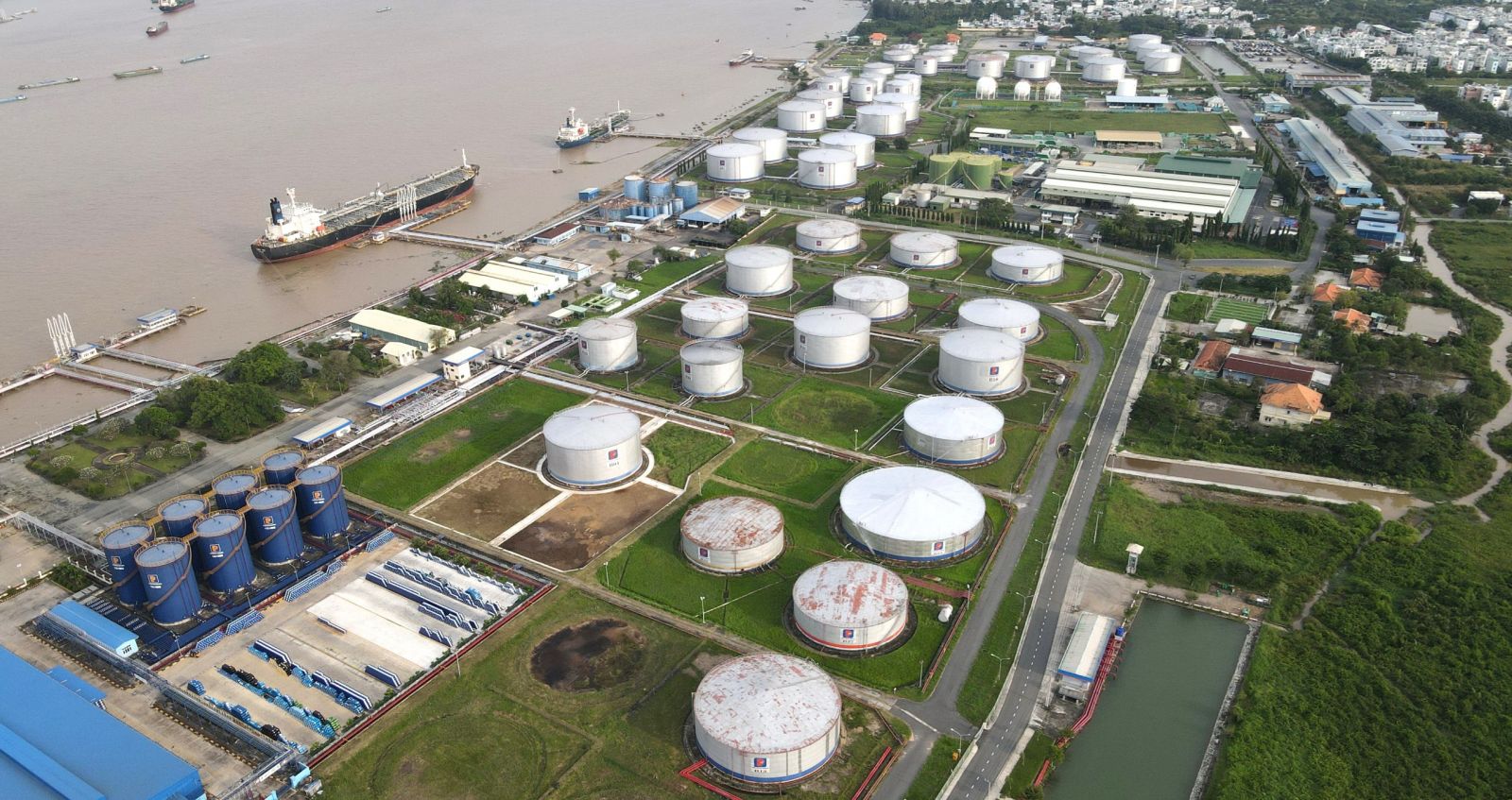
5 Frequently Asked Questions About Pressure Vacuum Relief Valves (PVRVs) for Storage Tanks
1. Does a Clean Water or Wastewater Storage Tank Require a Breather Valve?
Yes, if the tank is a closed atmospheric storage tank.
Although water does not evaporate as readily as petroleum products or organic solvents, the tank is still subject to thermal breathing and pressure fluctuations caused by filling and emptying operations.
For water storage systems, the technical requirements regarding construction materials, corrosion resistance, and emission control are generally less demanding than those for chemical or fuel storage tanks. In some applications, a simple vent pipe may be sufficient instead of a Pressure Vacuum Relief Valve (PVRV).
However, the appropriate solution should always be determined through engineering calculations, particularly for large-capacity tanks or systems with high filling and discharge flow rates.
2. If a Storage Tank Is Already Equipped with a Safety Relief Valve, Is a Breather Valve Still Required?
Yes.
A Safety Relief Valve (SRV) and a Pressure Vacuum Relief Valve (PVRV) perform entirely different functions and cannot replace each other.
A Safety Relief Valve is typically designed to operate at much higher pressures (bar range) and primarily protects pressurized systems from severe overpressure conditions. It generally provides protection only against positive pressure.
In contrast, a Pressure Vacuum Relief Valve is specifically designed to operate at very low pressure settings (millibar range), making it suitable for atmospheric storage tanks. It provides protection against both positive pressure and vacuum conditions.
Therefore, on atmospheric storage tanks, a Safety Relief Valve cannot replace a Breather Valve because its activation pressure is significantly higher than the tank's allowable design pressure.
3. Does a Storage Tank Installed Indoors Still Need a Breather Valve?
Yes.
Installing a storage tank inside a building does not eliminate the factors that cause pressure fluctuations.
Thermal breathing still occurs due to daily and seasonal temperature variations, as well as changes caused by the building's ventilation system.
More importantly, most pressure fluctuations in actual operation are generated by product filling and withdrawal rather than environmental conditions.
Whether the tank is installed indoors or outdoors, a Breather Valve remains an essential safety device.
4. Does Incorrect Installation of a Breather Valve Affect System Performance?
Absolutely.
Proper installation is critical to both the performance and safety of the storage tank system.
According to recommended engineering practices, a Breather Valve should be installed vertically at the highest point of the tank roof. This ensures that the valve disc operates exactly as intended by the manufacturer.
Improper positioning or tilted installation may alter the gravitational force acting on the valve disc, resulting in incorrect opening and closing pressures.
Potential consequences include:
- The valve opens earlier or later than its design setting.
- Inaccurate pressure balancing inside the storage tank.
- Liquid accumulation inside the valve body if installed below the tank roof.
- Damage to the sealing components when the tank is completely filled.
Therefore, correct installation is just as important as selecting the appropriate valve model.
5. Can Multiple Breather Valves Be Installed on a Single Storage Tank?
Yes. In many applications, installing multiple Breather Valves is both acceptable and necessary.
For large-capacity storage tanks or systems with high filling and withdrawal flow rates, a single Breather Valve may not provide sufficient venting capacity as required by API 2000 calculations.
In these situations, installing multiple Breather Valves in parallel is an appropriate engineering solution.
The design should ensure that:
- The combined venting capacity of all valves satisfies the calculated system requirements.
- All valves have identical pressure and vacuum settings to ensure balanced operation.
- The valves are properly distributed across the tank roof to prevent localized pressure concentration.
This design approach is commonly adopted in petroleum storage terminals, chemical plants, and large-scale industrial storage facilities.
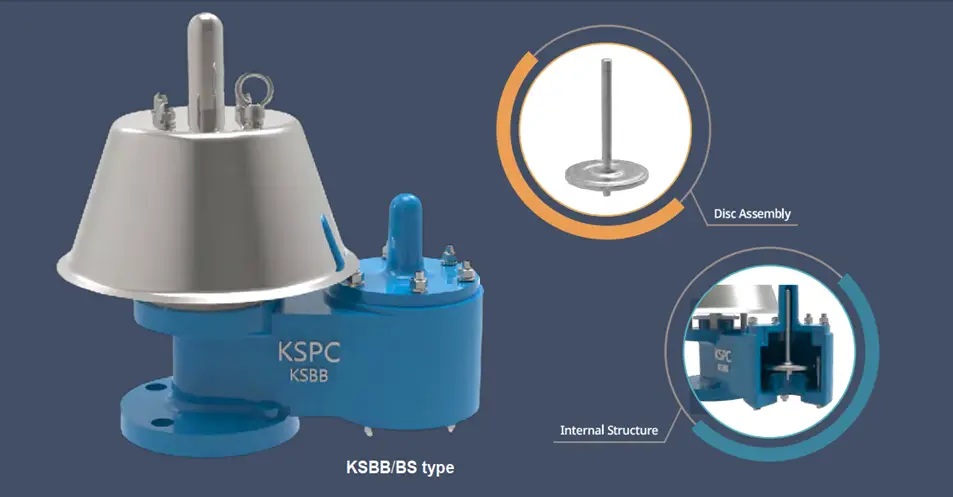
About the Content Author
PME (Phuc Minh Engineering) is a leading supplier of industrial valve solutions, piping equipment, and system accessories for a wide range of industries in Vietnam, including:
- Industrial water and wastewater treatment systems
- Thermal power plants and energy facilities
- Shipbuilding and marine industries
- Pulp and paper manufacturing
- Petroleum terminals, chemical storage facilities, and fuel storage systems
- Other heavy industrial production plants
With extensive hands-on experience in consulting, engineering design, and supplying equipment for critical industrial systems requiring high standards of pressure safety, operational reliability, and emission control, PME develops its technical content on Pressure Vacuum Relief Valves (PVRVs) based on real-world applications in industrial plants and field installations.
Our articles go beyond theoretical knowledge by incorporating practical experience in equipment selection, troubleshooting, and optimizing storage tank systems for petroleum products, solvents, and chemicals in compliance with internationally recognized standards such as API 2000, API 650, ISO 28300, and NFPA 30.
PME Website Network
To learn more about industrial valve solutions, breather valves, flanges, piping accessories, and instrumentation products, please visit the PME website network:
- pm-e.vn — Complete solutions for industrial valves, flanges, piping accessories, and pressure instrumentation.
- phucminh.net — Technical information and industrial equipment solutions for various engineering sectors.
- kythuatphucminh.com — Steam system valves and equipment solutions.
- kspc.net.vn — Specialized KSPC valve and equipment solutions for petroleum terminals and chemical storage facilities.
- kspc.com.vn — Dedicated KSPC product platform featuring breather valves, flame arresters, and storage tank safety equipment.
- thegioivan.net — A comprehensive source for industrial valves serving a wide variety of applications.
Related News
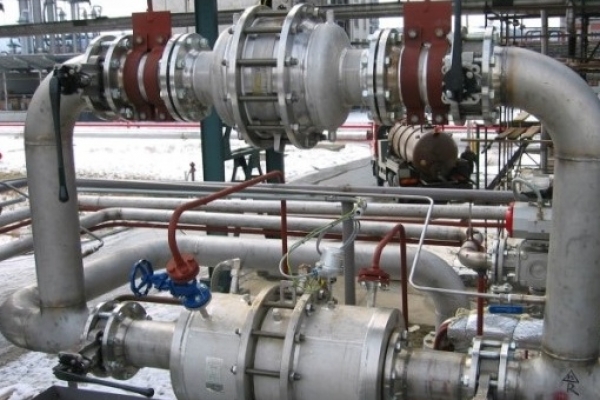
What Is a Flame Arrester? Why Is It Necessary?
02/07/2026
In storage and transfer systems handling flammable media such as petroleum products, chemicals, solvents, LPG, LNG, and other hazardous gases, one of the most critical safety risks is flashback ignition through piping or vent lines. A single ignition source at the vent outlet or in the surrounding environment can allow flame propagation back into the storage tank, potentially resulting in catastrophic fire or explosion.
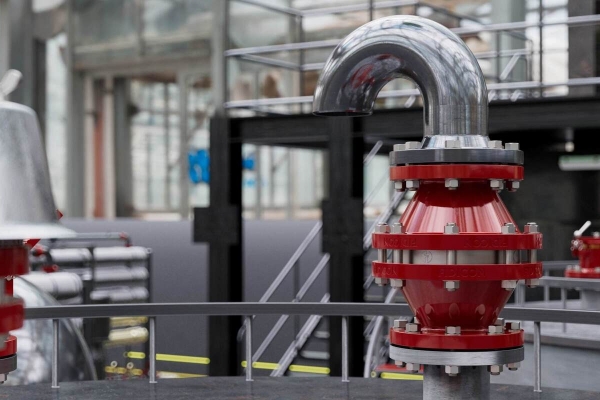
What Types of Valves and Equipment Are Commonly Installed with a Flame Arrester?
02/07/2026
A Flame Arrester is typically not installed as a standalone device. Instead, it is commonly used in combination with safety devices such as Breather Valves, Emergency Vent Valves, and Check Valves. Each component serves a specific function, including pressure regulation, emergency pressure relief, or reverse flow prevention. Depending on the application—such as petroleum storage tanks, gas handling systems, or welding and cutting equipment—the combination of these devices will vary to provide comprehensive safety and reliable system protection.
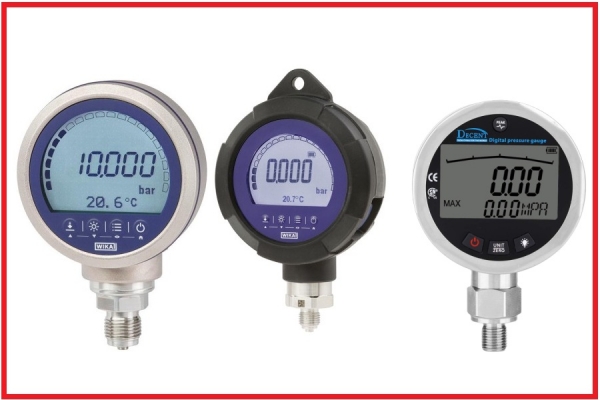
Digital Pressure Gauge | Electronic Pressure Gauge | PM-E.VN
17/05/2026
Digital pressure gauge with LED/LCD display, high accuracy, and excellent vibration resistance. PM-E.VN supplies genuine electronic pressure gauges for industrial applications.
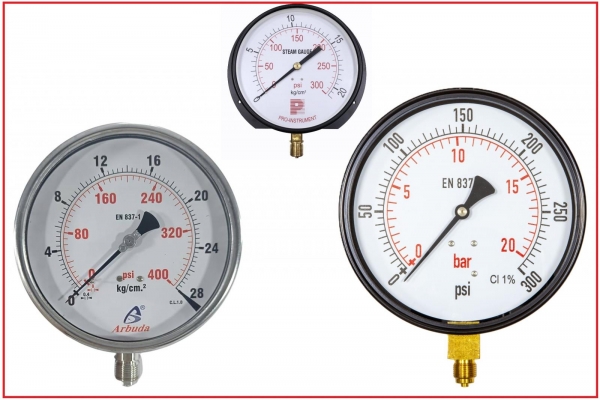
Steam Pressure Gauge | Boiler Pressure Gauge | PM-E.VN
17/05/2026
Steam pressure gauge for boilers and industrial steam systems. High temperature resistant, durable, and accurate. PM-E.VN supplies genuine industrial pressure gauges.
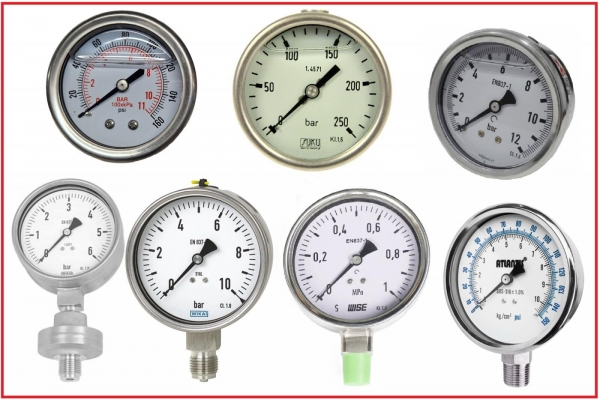
Stainless Steel Pressure Gauge | Industrial Pressure Gauge | PM-E.VN
17/05/2026
Stainless steel pressure gauge for water, air, steam, and chemical applications. Corrosion-resistant, durable, and accurate. PM-E.VN supplies genuine industrial pressure gauges.










About us

PHUC MINH ENGINEERING CO., LTD
Head Office: 92/38, No.12 St, Quarter 18, Binh Hung Hoa Ward, Ho Chi Minh City, Vietnam.
Tax Code: 0314405007
Tel: +842835352125
Fax: +842835350254
Email: info@pm-e.vn
Website: www.pm-e.vn
Quang Ngai Branch:
Address: 123/4 Vo Thi Sau, Chanh Lo, Quang Ngai, 840255, Vietnam
- Policies and regulations
- Payments
- Shipping and forwarding
- Warranty Policy
- Complaint handling process
- Exchanges and refunds
- Privacy Policy
Return Policy
Social network

.png)








Copyright © 20017 Copyright by Phuc Minh Technology Co., Ltd