



What Types of Valves and Equipment Are Commonly Installed with a Flame Arrester?
What Valves and Equipment Are Commonly Installed with a Flame Arrester?
A Flame Arrester is a critical safety device used in storage tanks, fuel terminals, chemical plants, solvent facilities, and gas handling systems. However, it is not designed to operate as a standalone safety device. Instead, it is typically installed together with other safety valves and equipment to form a comprehensive protection system.
Depending on the application—such as petroleum storage tanks, LPG systems, VOC recovery units, or chemical storage facilities—a Flame Arrester is commonly combined with Breather Valves, Emergency Vent Valves, Check Valves, and other specialized equipment to ensure compliance with international safety standards such as API 2000, ISO 16852, and NFPA 30.
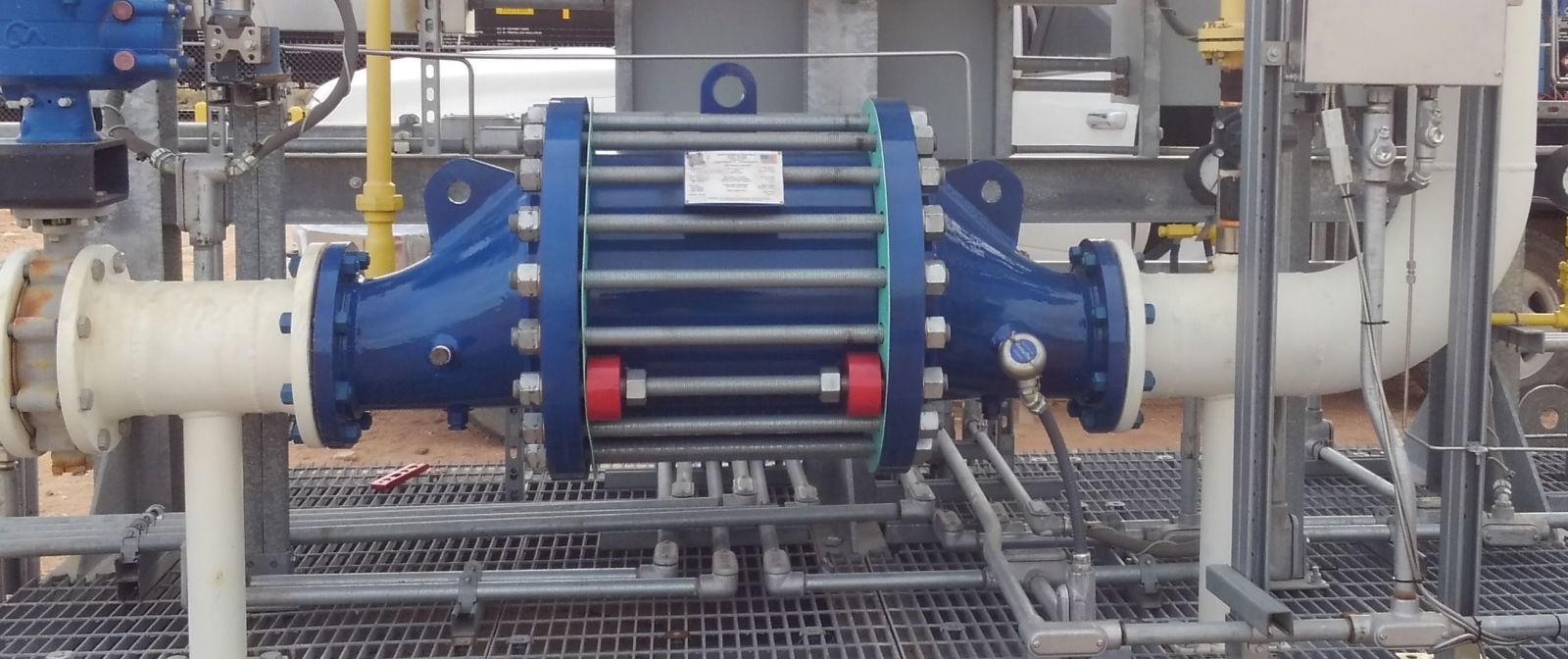
Why Can't a Flame Arrester Operate Alone?
A Flame Arrester Only Prevents Flame Propagation
The primary function of a Flame Arrester is to extinguish flames and prevent flame flashback from traveling back into storage tanks or process piping.
However, it does not:
- Regulate system pressure
- Relieve excessive pressure
- Admit air during vacuum conditions
- Control flow rate
- Prevent reverse flow
Therefore, installing only a Flame Arrester does not protect a system from overpressure, vacuum collapse, or reverse flow hazards.
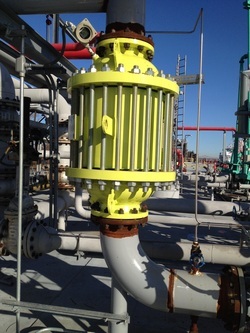
Industrial Safety Requires Multiple Layers of Protection
Modern industrial facilities are designed according to the Layer of Protection (LOPA) principle, where each safety device performs a specific function.
Typical responsibilities include:
- Flame Arrester – Prevents flame propagation
- Breather Valve – Controls tank pressure
- Emergency Vent Valve – Provides emergency pressure relief
- Check Valve – Prevents reverse flow
Only when these devices work together can a storage system achieve maximum operational safety.
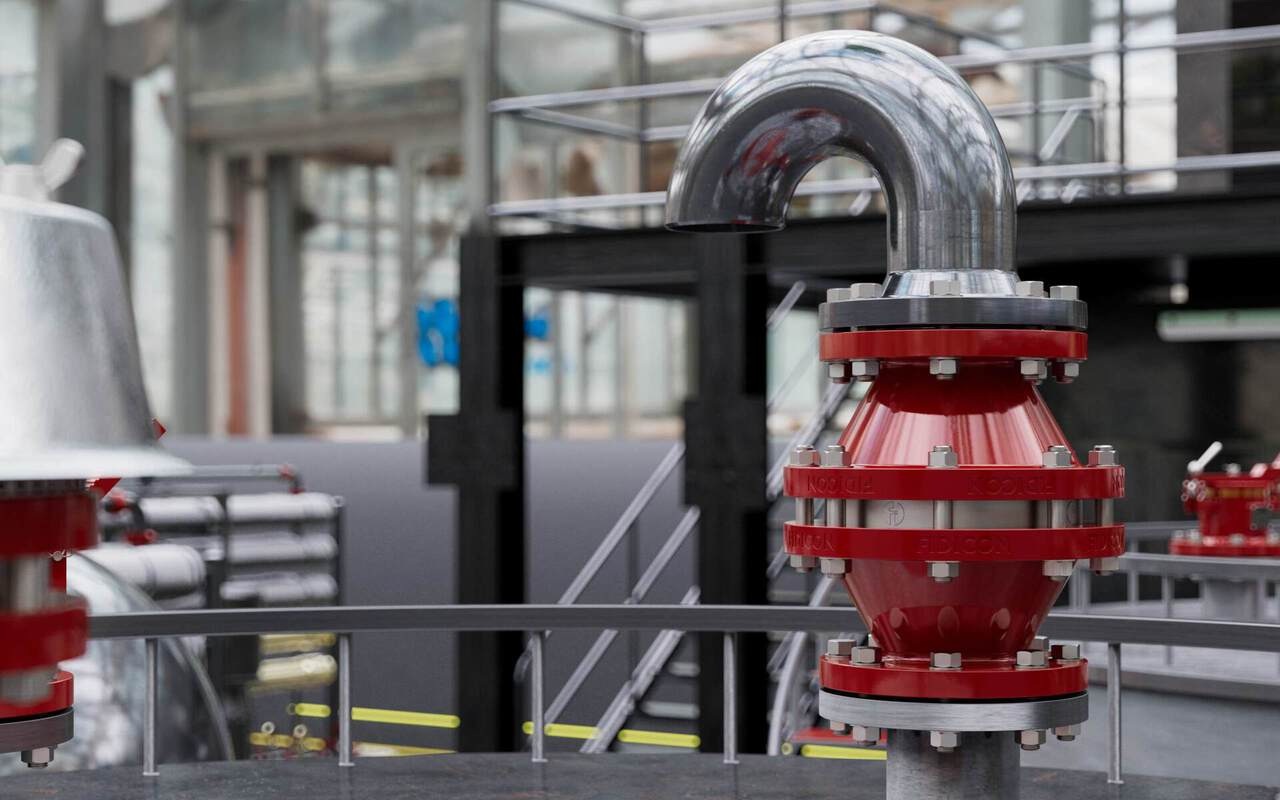
Breather Valve – The Most Common Companion Device
What Is a Breather Valve?
A Breather Valve, also known as a Pressure Vacuum Relief Valve (PVRV), maintains safe pressure conditions inside a storage tank by:
- Releasing excessive internal pressure
- Admitting air during vacuum conditions
- Protecting tanks from deformation or structural failure
It is considered essential for petroleum, chemical, and solvent storage tanks.
Why Is It Installed with a Flame Arrester?
Whenever a Breather Valve allows vapor to exit or air to enter a tank, the vent opening becomes the most vulnerable point for flame intrusion.
Installing a Flame Arrester together with the Breather Valve provides several benefits:
- Prevents external flames from entering the storage tank
- Protects personnel and equipment during fire incidents
- Meets the requirements of API 2000 and ISO 16852
This is the most common configuration used in fuel storage facilities.
.jpg)
.jpg)
Emergency Vent Valve
When Is an Emergency Vent Required?
An Emergency Vent Valve is designed to protect storage tanks during abnormal operating conditions, such as:
- External fire exposure
- Sudden pressure increase
- Excessive temperature rise
- Situations where the Breather Valve cannot discharge sufficient flow
It rapidly releases pressure to prevent catastrophic tank failure.
How Is It Different from a Flame Arrester?
Although often confused, these two devices serve completely different purposes.
Flame Arrester
- Stops flame propagation
Emergency Vent Valve
- Relieves excessive pressure
One cannot replace the other.
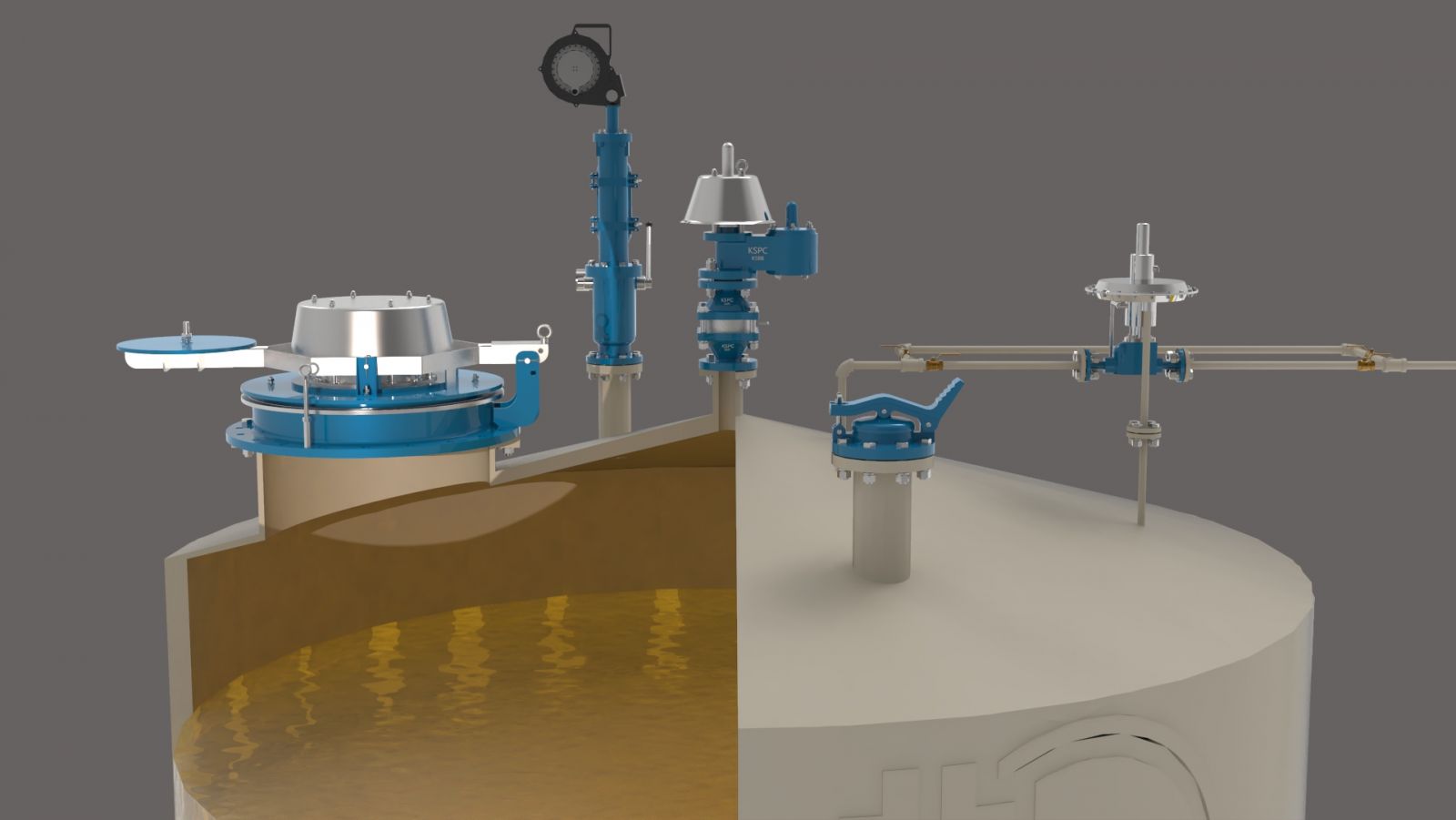
.JPG)
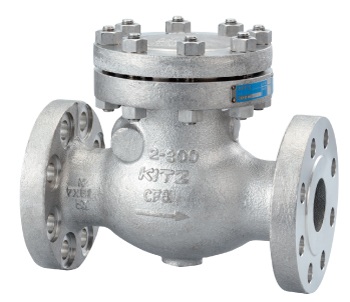
Check Valve
Function
A Check Valve allows fluid or gas to flow in only one direction.
Whenever reverse flow occurs, the valve automatically closes.
Why Combine It with a Flame Arrester?
In systems handling:
- LPG
- Natural Gas
- Hydrogen
- Biogas
- Industrial gases
Combining a Check Valve with a Flame Arrester provides dual protection by:
- Preventing reverse flow
- Preventing flame flashback
- Protecting upstream equipment
This combination is widely used in industrial gas piping systems.
Vent Lines and Vent Piping
What Is a Vent Line?
A Vent Line is a pipeline that releases vapor from a storage tank either to the atmosphere or to a vapor recovery system.
Because it is directly exposed to the surrounding environment, it is one of the highest-risk locations for:
- External ignition sources
- Sparks
- Flame propagation
Where Is a Flame Arrester Installed?
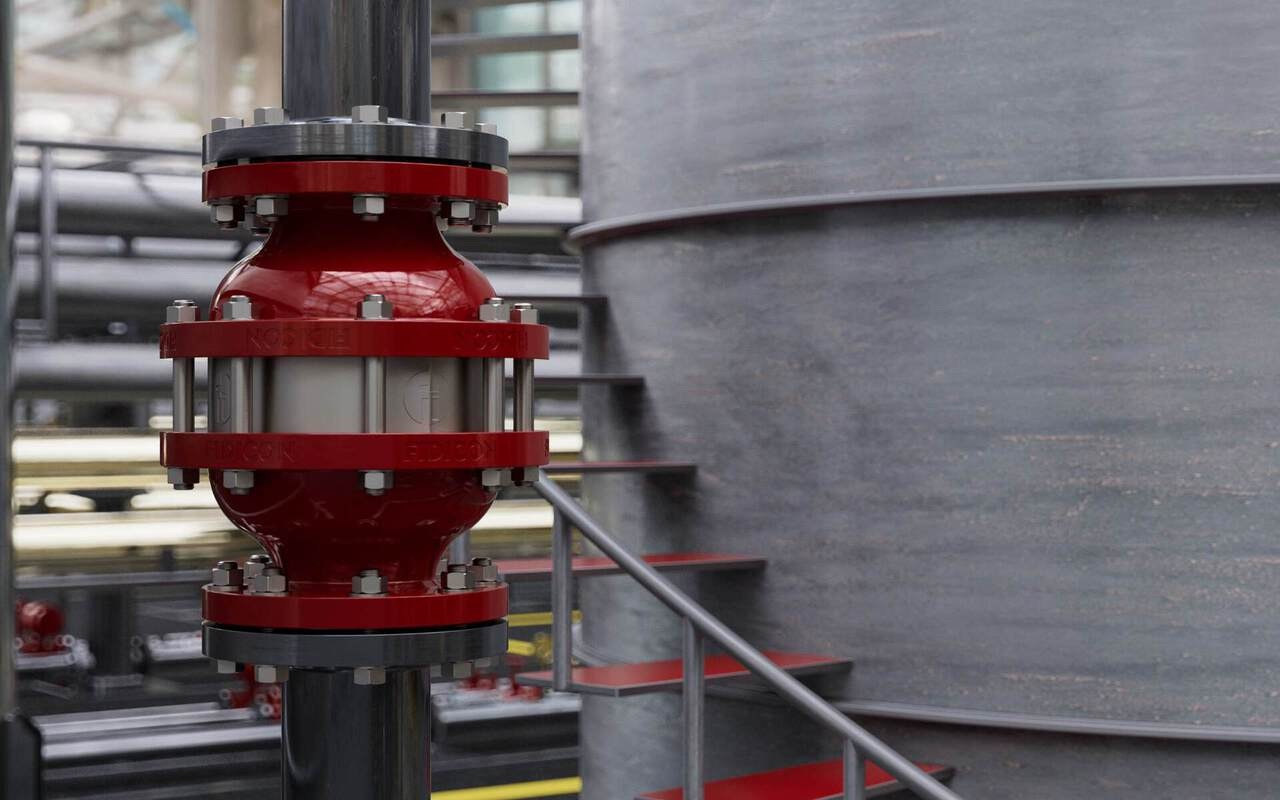
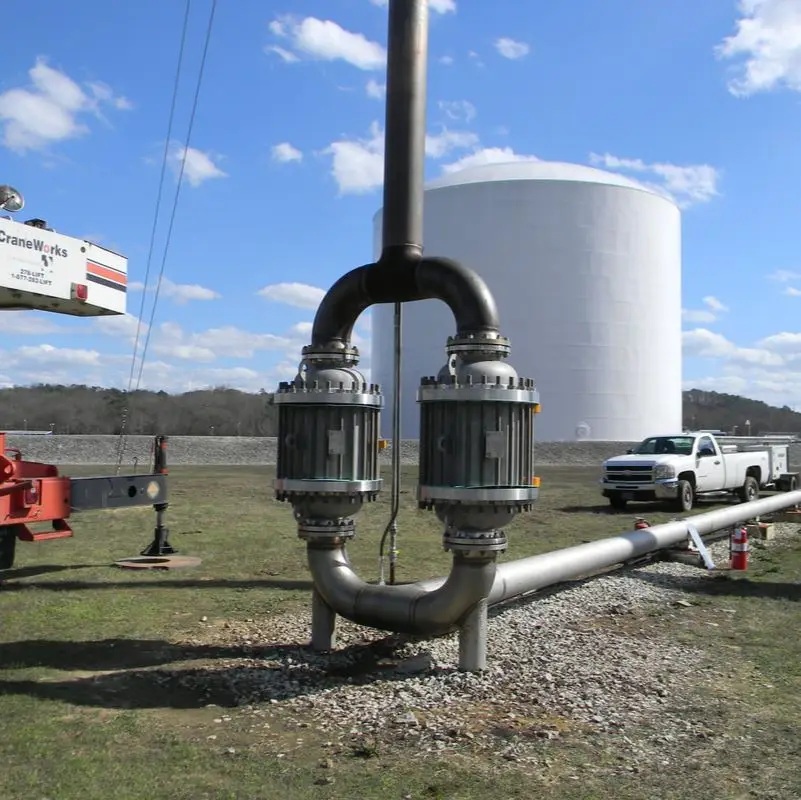
A Flame Arrester is typically installed:
- At the end of the vent line
- On atmospheric vent outlets
- On vapor discharge piping
- Upstream of VOC recovery systems
This location ensures that any external flame is extinguished before entering the storage system.
Typical Installation Configurations
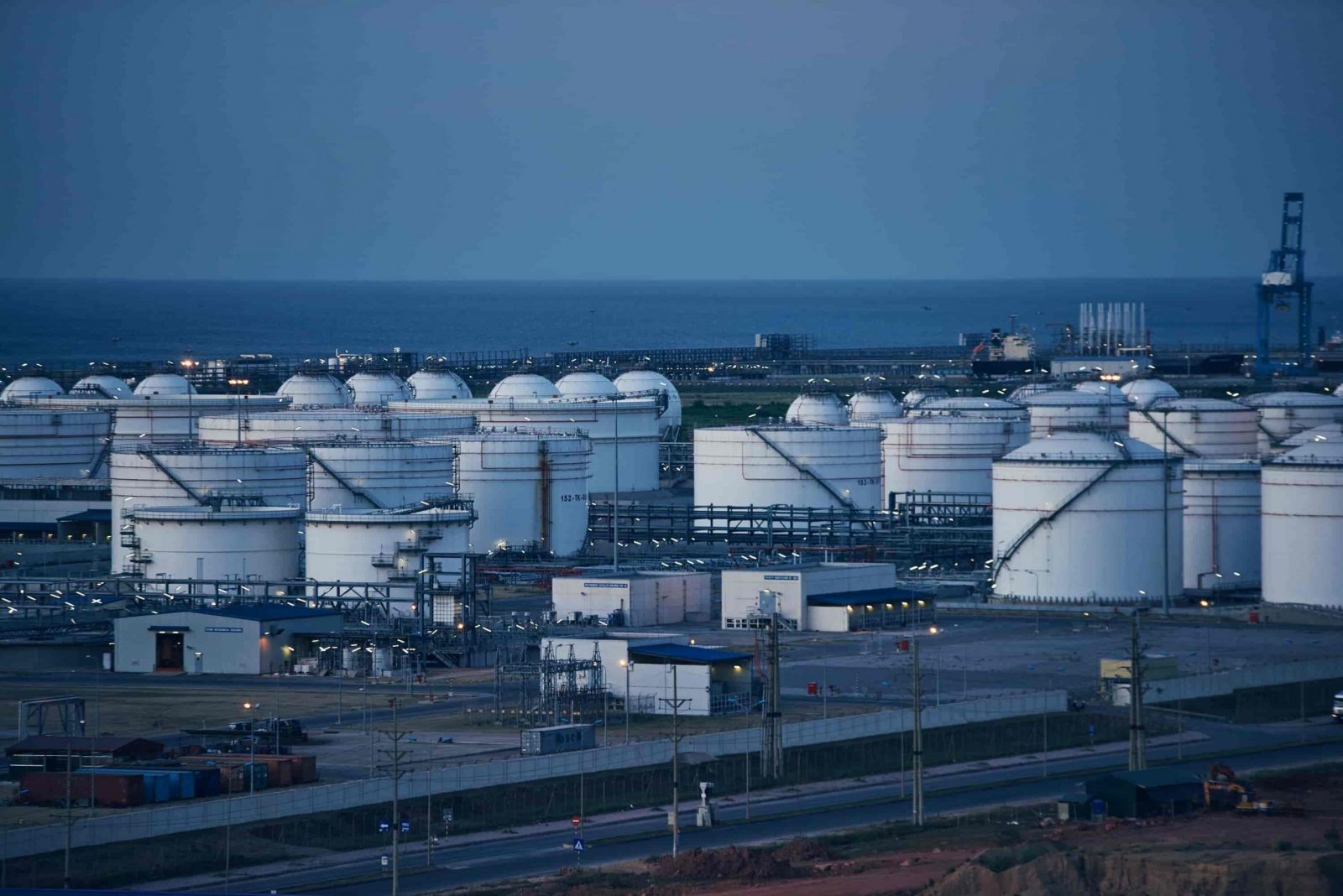
Petroleum Storage Tanks
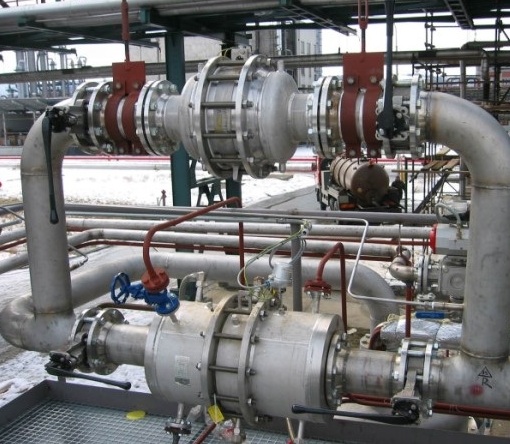
A typical storage tank safety system includes:
- Breather Valve
- Flame Arrester
- Emergency Vent Valve
This arrangement provides pressure regulation, fire protection, and emergency pressure relief.
LPG and Industrial Gas Systems
Typical components include:
- Flame Arrester
- Check Valve
- Pressure Relief Valve
These devices work together to prevent flame propagation and reverse gas flow.
VOC Recovery Systems
A standard VOC recovery installation often includes:
- Pilot Operated Breather Valve
- Flame Arrester
- Vapor Recovery Piping
- VOC Treatment System
This configuration minimizes product loss while improving environmental protection.
Welding and Cutting Systems
Flashback arrestors commonly integrate:
- Flame Arrester
- Check Valve
- Thermal Shut-Off Valve
- Automatic Safety Shut-Off Mechanism
These integrated devices protect gas cylinders and hoses from flashback.
Common Mistakes When Selecting Safety Equipment
Installing Only a Flame Arrester
This is one of the most common mistakes.
Without additional protection:
- No Breather Valve → Tank may experience overpressure or vacuum collapse
- No Emergency Vent → Increased risk of tank rupture during fire
- No Check Valve → Reverse flow remains possible
A Flame Arrester alone cannot provide complete system protection.
Incorrect Installation Location
Even the correct equipment can become ineffective if installed improperly.
Common installation errors include:
- Flame Arrester not installed at the vent outlet
- Check Valve installed in the wrong flow direction
- Incorrect installation distance from the protected equipment
- Failure to periodically inspect and clean the flame element
Proper installation and maintenance are just as important as equipment selection.
Conclusion
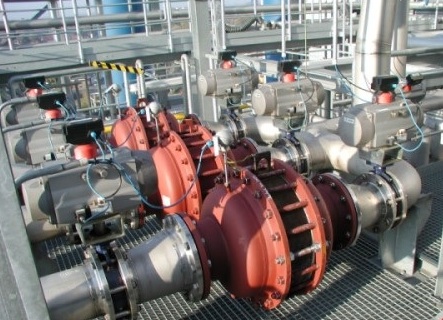
A Flame Arrester is one of the most important safety devices in storage tank and process systems, but it is only one component of a complete protection strategy.
An effective safety system should integrate:
- Breather Valves
- Emergency Vent Valves
- Check Valves
- Pressure Relief Valves
- Proper Vent and Vapor Recovery Systems
Selecting the appropriate equipment, installing it correctly, and complying with standards such as API 2000, ISO 16852, and NFPA 30 are essential for minimizing fire hazards, product losses, environmental emissions, and equipment damage.
Frequently Asked Questions (FAQs)
1. Should a Flame Arrester always be installed with a Breather Valve?
Yes. In most petroleum, chemical, and solvent storage tanks, a Flame Arrester is installed together with a Breather Valve to provide both pressure control and flame protection.
2. Is an Emergency Vent Valve mandatory?
For large storage tanks or systems containing flammable products, an Emergency Vent Valve is highly recommended and is often required by applicable engineering standards.
3. Can a Check Valve replace a Flame Arrester?
No. A Check Valve prevents reverse flow, while a Flame Arrester prevents flame propagation. Their functions are entirely different and complementary.
4. Where should a Flame Arrester be installed?
It is typically installed at the end of a vent line, on atmospheric vent outlets, or on vapor piping to prevent flames from entering storage tanks or process systems.
5. Can a single safety device fully protect a storage tank?
No. A safe storage system requires multiple layers of protection, combining Flame Arresters with Breather Valves, Emergency Vent Valves, Check Valves, and other safety devices to ensure comprehensive protection.
About the Content Author
PME (Phuc Minh Engineering) is a leading supplier of industrial valve solutions, piping equipment, and system accessories for a wide range of industries in Vietnam, including:
- Industrial water and wastewater treatment systems
- Thermal power plants and energy facilities
- Shipbuilding and marine industries
- Pulp and paper manufacturing
- Petroleum terminals, chemical storage facilities, and fuel storage systems
- Other heavy industrial production plants
With extensive hands-on experience in consulting, engineering design, and supplying equipment for critical industrial systems requiring high standards of pressure safety, operational reliability, and emission control, PME develops its technical content on Pressure Vacuum Relief Valves (PVRVs) based on real-world applications in industrial plants and field installations.
Our articles go beyond theoretical knowledge by incorporating practical experience in equipment selection, troubleshooting, and optimizing storage tank systems for petroleum products, solvents, and chemicals in compliance with internationally recognized standards such as API 2000, API 650, ISO 28300, and NFPA 30.
PME Website Network
To learn more about industrial valve solutions, breather valves, flanges, piping accessories, and instrumentation products, please visit the PME website network:
- pm-e.vn — Complete solutions for industrial valves, flanges, piping accessories, and pressure instrumentation.
- phucminh.net — Technical information and industrial equipment solutions for various engineering sectors.
- kythuatphucminh.com — Steam system valves and equipment solutions.
- kspc.net.vn — Specialized KSPC valve and equipment solutions for petroleum terminals and chemical storage facilities.
- kspc.com.vn — Dedicated KSPC product platform featuring breather valves, flame arresters, and storage tank safety equipment.
- thegioivan.net — A comprehensive source for industrial valves serving a wide variety of applications.
Related News
What Is a Flame Arrester? Why Is It Necessary?
02/07/2026
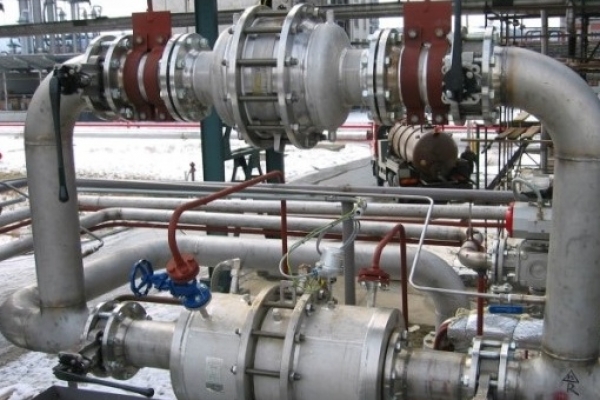
In storage and transfer systems handling flammable media such as petroleum products, chemicals, solvents, LPG, LNG, and other hazardous gases, one of the most critical safety risks is flashback ignition through piping or vent lines. A single ignition source at the vent outlet or in the surrounding environment can allow flame propagation back into the storage tank, potentially resulting in catastrophic fire or explosion.
When Is a Tank Breather Valve Required?
02/07/2026
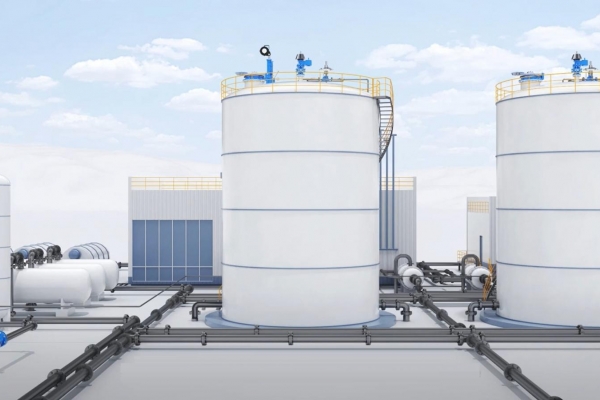
A breather valve (Pressure Vacuum Relief Valve – PVRV) is a critical safety device for oil and chemical storage tanks. It helps balance pressure and vacuum conditions during filling, emptying, and temperature changes. This article provides a detailed analysis of five mandatory cases for installing a breather valve according to the API 2000 standard, helping engineers select the correct equipment, improve operational safety, and reduce product vapor losses.
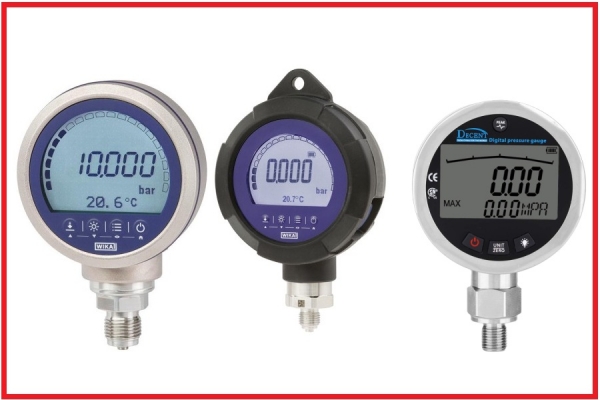
Digital Pressure Gauge | Electronic Pressure Gauge | PM-E.VN
17/05/2026
Digital pressure gauge with LED/LCD display, high accuracy, and excellent vibration resistance. PM-E.VN supplies genuine electronic pressure gauges for industrial applications.
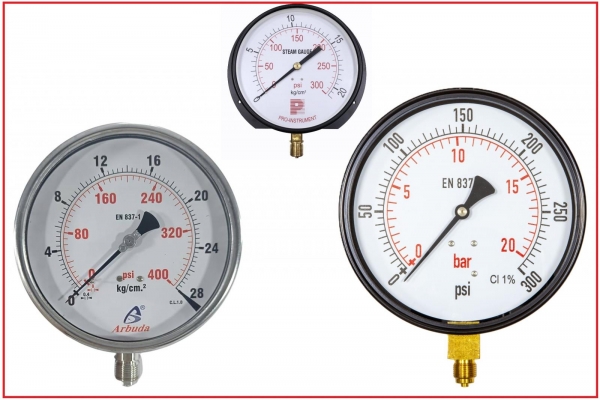
Steam Pressure Gauge | Boiler Pressure Gauge | PM-E.VN
17/05/2026
Steam pressure gauge for boilers and industrial steam systems. High temperature resistant, durable, and accurate. PM-E.VN supplies genuine industrial pressure gauges.
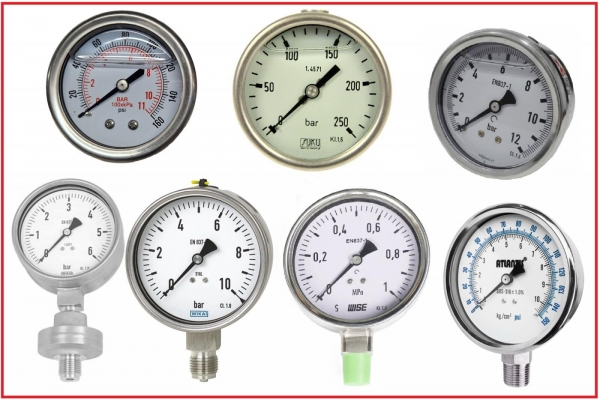
Stainless Steel Pressure Gauge | Industrial Pressure Gauge | PM-E.VN
17/05/2026
Stainless steel pressure gauge for water, air, steam, and chemical applications. Corrosion-resistant, durable, and accurate. PM-E.VN supplies genuine industrial pressure gauges.










About us

PHUC MINH ENGINEERING CO., LTD
Head Office: 92/38, No.12 St, Quarter 18, Binh Hung Hoa Ward, Ho Chi Minh City, Vietnam.
Tax Code: 0314405007
Tel: +842835352125
Fax: +842835350254
Email: info@pm-e.vn
Website: www.pm-e.vn
Quang Ngai Branch:
Address: 123/4 Vo Thi Sau, Chanh Lo, Quang Ngai, 840255, Vietnam
- Policies and regulations
- Payments
- Shipping and forwarding
- Warranty Policy
- Complaint handling process
- Exchanges and refunds
- Privacy Policy
Return Policy
Social network

.png)








Copyright © 20017 Copyright by Phuc Minh Technology Co., Ltd