



RF vs RTJ Flange: Which One Has Better Sealing Performance?
🔷 Overview of RF and RTJ flanges
In piping and industrial valve systems, flanges are essential components used to connect pipelines and ensure sealing performance.
The two most common types are:
- RF (Raised Face flange)
- RTJ (Ring Type Joint flange)
👉 Both are used in high-pressure systems, but their sealing performance is different.
⚙️ What is an RF flange?
An RF (Raised Face) flange has a slightly raised sealing surface and uses soft gaskets such as:
- Spiral wound gasket
- PTFE gasket
- Graphite gasket
📌 Key features:
- Most commonly used flange type
- Easy installation and maintenance
- Sealing depends on soft gasket compression
- Suitable for medium to high pressure systems
👉 RF flanges are widely used in general industrial applications.
⚙️ What is an RTJ flange?
An RTJ (Ring Type Joint) flange has a machined groove that uses a metal ring gasket (oval or octagonal shape).
📌 Key features:
- Extremely high sealing performance
- Suitable for very high pressure (Class 600 – Class 2500)
- Uses metal-to-metal sealing
- Requires precise machining
👉 RTJ flanges are commonly used in oil & gas and critical services
📊 RF vs RTJ comparison
| Criteria | RF (Raised Face) | RTJ (Ring Type Joint) |
|---|---|---|
| Sealing method | Soft gasket | Metal gasket |
| Sealing performance | Good | Excellent |
| Pressure rating | Medium – high | Very high |
| Cost | Lower | Higher |
| Installation | Easy | Complex |
| Applications | General industry | Oil & gas, high-pressure systems |
🏭 When should you use RF flanges?
Choose RF flanges when:
✔️ General industrial systems
- Water, steam, gas
- HVAC systems
- Industrial plants
✔️ Medium to high pressure systems
✔️ Easy maintenance is required
🏭 When should you use RTJ flanges?
Choose RTJ flanges when:
✔️ Extremely high-pressure systems
- Offshore oil & gas
- Refineries
✔️ Critical and hazardous applications
✔️ Zero-leakage requirements
❓ Which one seals better: RF or RTJ?
👉 RTJ provides better sealing performance than RF
Because:
- RTJ uses metal-to-metal sealing
- Gasket is compressed inside a machined groove
- Less affected by pressure and temperature changes
However:
- RF is sufficient for about 90% of industrial applications
- RTJ is required only for high-end critical systems
⚠️ Common mistakes
- Using RF in ultra-high pressure systems → risk of leakage
- Using RTJ in simple systems → unnecessary cost increase
- Using incompatible gaskets
🔥 Quick selection tips
👉 Standard industrial systems → choose RF
👉 Oil & gas / high-pressure systems → choose RTJ
🏁 Conclusion
RF and RTJ flanges are both important sealing solutions:
- RF = economical, flexible, widely used
- RTJ = maximum sealing, used for extreme pressure
👉 Choosing the correct flange helps:
- Improve system safety
- Prevent leakage
- Optimize cost efficiency
📞 Contact Information
Phuc Minh Engineering Co., Ltd (PM-E) specializes in supplying flanges, valves, gaskets, and piping components meeting international standards.
- 🌐 Website: pm-e.vn
- 📧 Email: info@pm-e.vn
- 📱 Hotline: +84 907 450 506 – +84 902 720 814 – +84 979 737 351
Related News
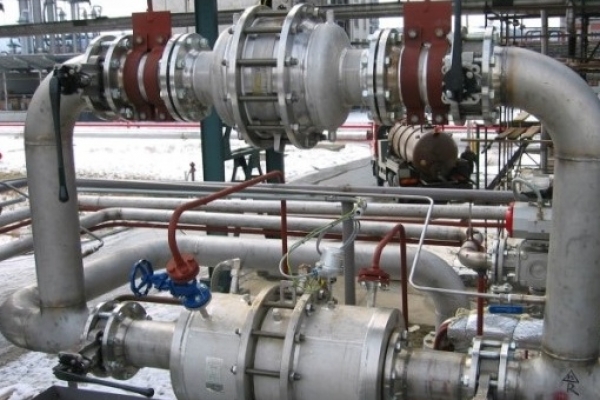
What Is a Flame Arrester? Why Is It Necessary?
02/07/2026
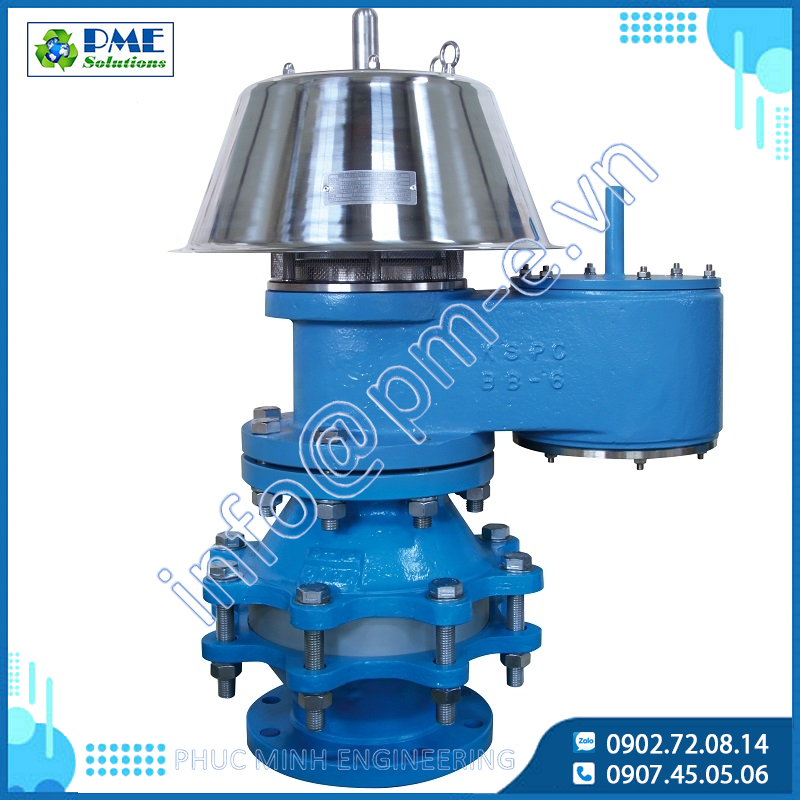
In storage and transfer systems handling flammable media such as petroleum products, chemicals, solvents, LPG, LNG, and other hazardous gases, one of the most critical safety risks is flashback ignition through piping or vent lines. A single ignition source at the vent outlet or in the surrounding environment can allow flame propagation back into the storage tank, potentially resulting in catastrophic fire or explosion.
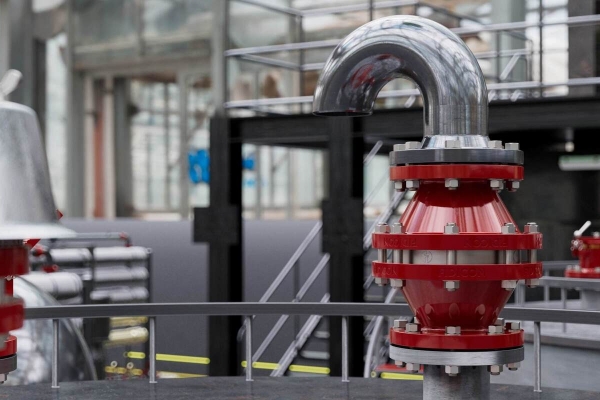
What Types of Valves and Equipment Are Commonly Installed with a Flame Arrester?
02/07/2026
A Flame Arrester is typically not installed as a standalone device. Instead, it is commonly used in combination with safety devices such as Breather Valves, Emergency Vent Valves, and Check Valves. Each component serves a specific function, including pressure regulation, emergency pressure relief, or reverse flow prevention. Depending on the application—such as petroleum storage tanks, gas handling systems, or welding and cutting equipment—the combination of these devices will vary to provide comprehensive safety and reliable system protection.
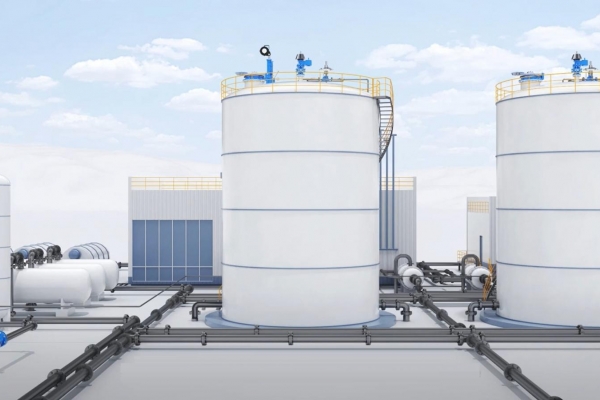
When Is a Tank Breather Valve Required?
02/07/2026
A breather valve (Pressure Vacuum Relief Valve – PVRV) is a critical safety device for oil and chemical storage tanks. It helps balance pressure and vacuum conditions during filling, emptying, and temperature changes. This article provides a detailed analysis of five mandatory cases for installing a breather valve according to the API 2000 standard, helping engineers select the correct equipment, improve operational safety, and reduce product vapor losses.
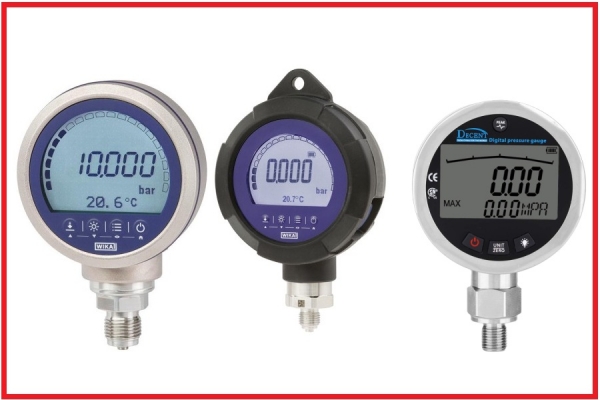
Digital Pressure Gauge | Electronic Pressure Gauge | PM-E.VN
17/05/2026
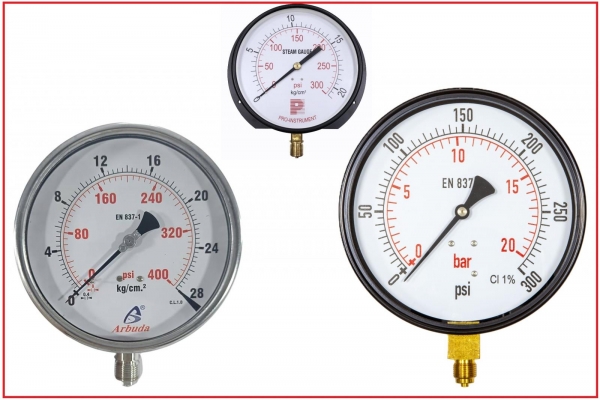
Digital pressure gauge with LED/LCD display, high accuracy, and excellent vibration resistance. PM-E.VN supplies genuine electronic pressure gauges for industrial applications.
Steam Pressure Gauge | Boiler Pressure Gauge | PM-E.VN
17/05/2026
Steam pressure gauge for boilers and industrial steam systems. High temperature resistant, durable, and accurate. PM-E.VN supplies genuine industrial pressure gauges.










About us

PHUC MINH ENGINEERING CO., LTD
Head Office: 92/38, No.12 St, Quarter 18, Binh Hung Hoa Ward, Ho Chi Minh City, Vietnam.
Tax Code: 0314405007
Tel: +842835352125
Fax: +842835350254
Email: info@pm-e.vn
Website: www.pm-e.vn
Quang Ngai Branch:
Address: 123/4 Vo Thi Sau, Chanh Lo, Quang Ngai, 840255, Vietnam
- Policies and regulations
- Payments
- Shipping and forwarding
- Warranty Policy
- Complaint handling process
- Exchanges and refunds
- Privacy Policy
Return Policy
Social network

.png)








Copyright © 20017 Copyright by Phuc Minh Technology Co., Ltd