



What Is a Flame Arrester? Why Is It Necessary?
What Is a Flame Arrester? Why Is It Necessary?
In storage and transfer systems handling flammable media such as petroleum products, chemicals, solvents, LPG, LNG, and other hazardous gases, one of the most critical safety risks is flashback ignition through piping or vent lines. A single ignition source at the vent outlet or in the surrounding environment can allow flame propagation back into the storage tank, potentially resulting in catastrophic fire or explosion.
To eliminate this risk, international standards such as API 2000, ISO 16852, ATEX, and NFPA 30 strongly recommend or require the installation of a Flame Arrester.
A Flame Arrester is a dedicated safety device designed to allow gas flow while completely preventing flame propagation, thereby protecting storage tanks, pipelines, process equipment, and personnel.
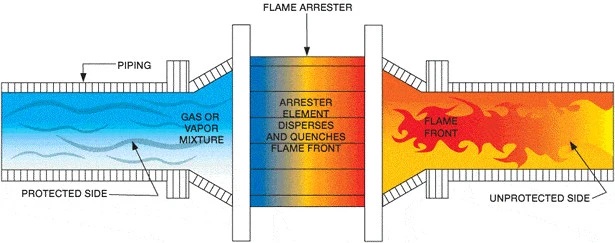
What Is a Flame Arrester?
A Flame Arrester is a safety device installed on vent lines or gas pipelines to prevent flame flashback from external sources or other parts of a system.
Unlike conventional valves that regulate flow or pressure, a Flame Arrester does not control the fluid. Instead, it acts as a physical barrier against flame transmission.
It allows:
- Free passage of gas or vapor
- Pressure equalization within the system design limits
But it blocks:
- Flame propagation
- Fire transmission into the protected system
- Flashback ignition
%20L%C3%A0%20G%C3%AC.png)
Van Chống Cháy Ngược (Flame Arrester) Là Gì?
Why Is a Flame Arrester Necessary?
The Risk of Flame Propagation in Industrial Systems
In flammable vapor handling systems, gases are often vented to the atmosphere through vent lines or vapor recovery systems.
If an ignition source appears at the vent outlet—such as:
- Electrical sparks
- Static discharge
- Hot work (welding/cutting)
- External fire exposure
- Operational accidents
the flame can travel backward through the vent line into the storage tank. This phenomenon is known as flashback (flame propagation).
If the tank contains a flammable vapor-air mixture within the explosive range, the consequences may include:
- Tank fire
- Explosion
- Domino effect to adjacent tanks
- Severe personnel injury and asset loss
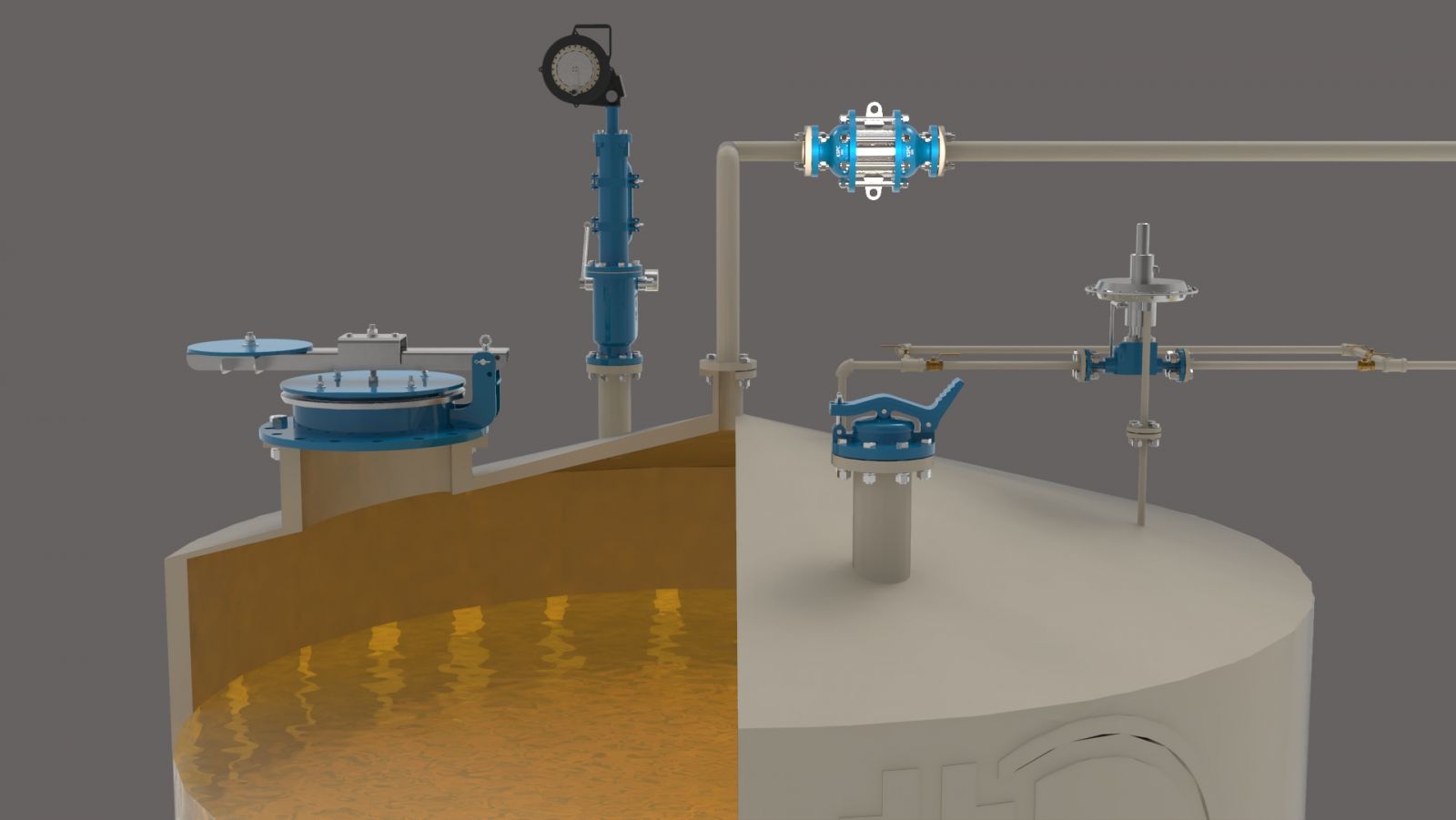
The Flame Arrester as a Critical Safety Barrier
A Flame Arrester provides:
- Prevention of flame entry into storage tanks
- Protection of process piping systems
- Reduction of explosion propagation risk
- Personnel safety enhancement
- Compliance with international safety standards
It is considered one of the essential safety layers in any flammable storage or handling system.
Working Principle of a Flame Arrester
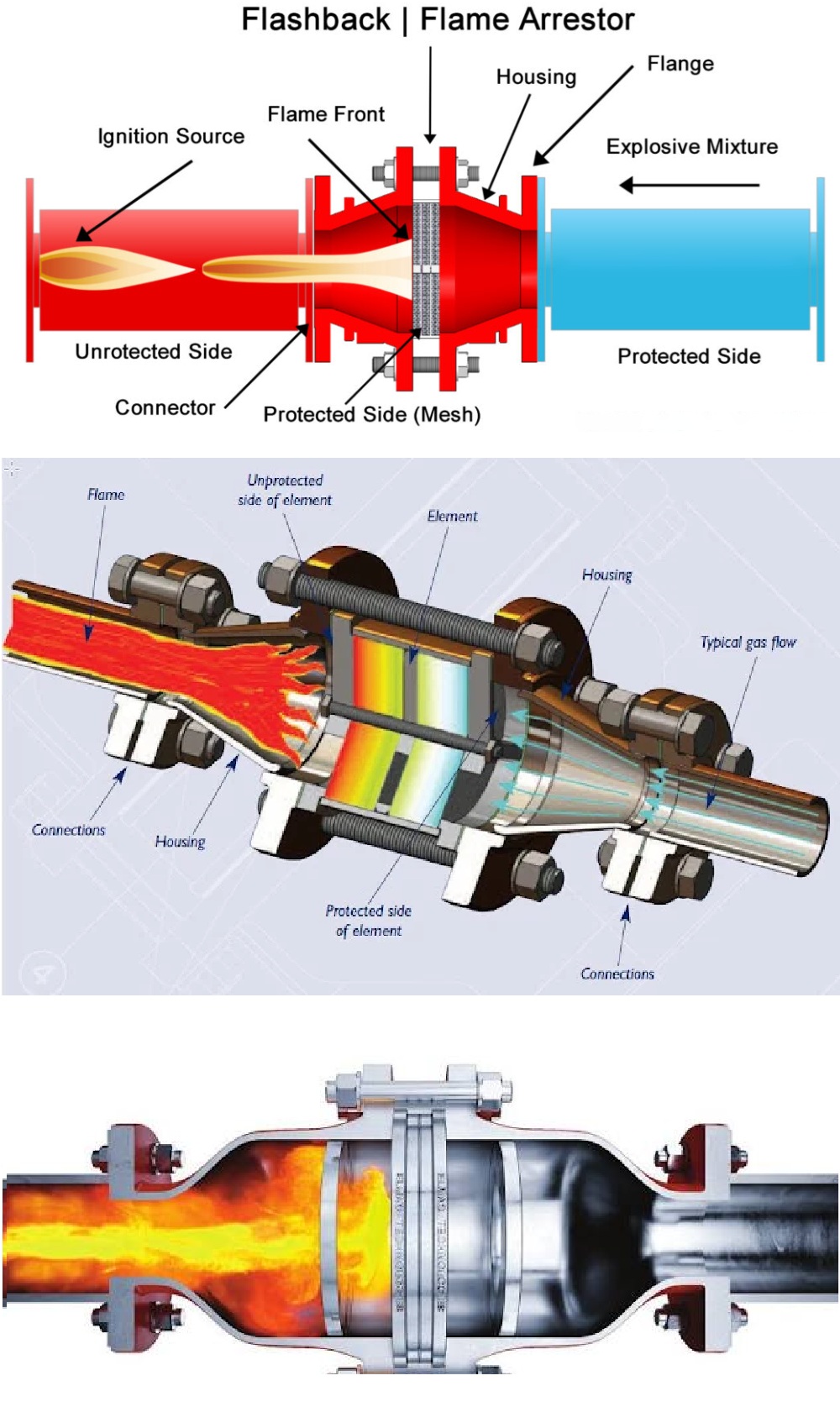
The core technology lies in the Flame Arresting Element, a specially designed metallic structure with extremely fine passages.
Typically made of stainless steel or corrosion-resistant alloys, it contains thousands of small channels.
When a flame passes through:
- Heat is rapidly absorbed by the metal element.
- The flame temperature drops below the combustion threshold.
- The combustion reaction is extinguished inside the element.
- Only gas passes through, while the flame is stopped completely.
This process occurs instantly and does not require power or external control.
Basic Construction of a Flame Arrester
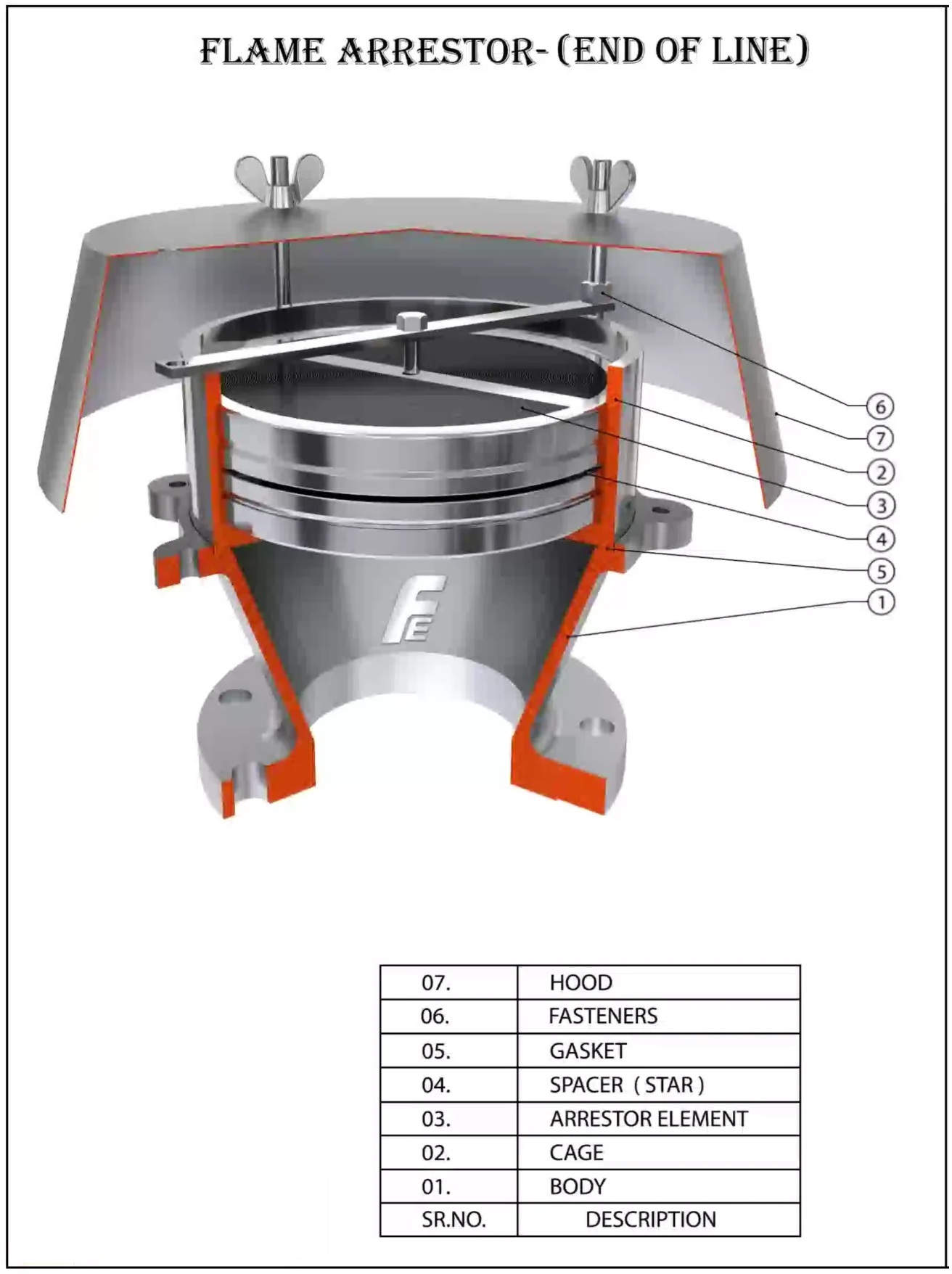
A typical Flame Arrester consists of:
- Body housing
- Flame arresting element
- Sealing gasket
- End cover for maintenance
- Bolts and fasteners
- Flanged or threaded connections
Among these, the Flame Arresting Element is the most critical component determining performance.
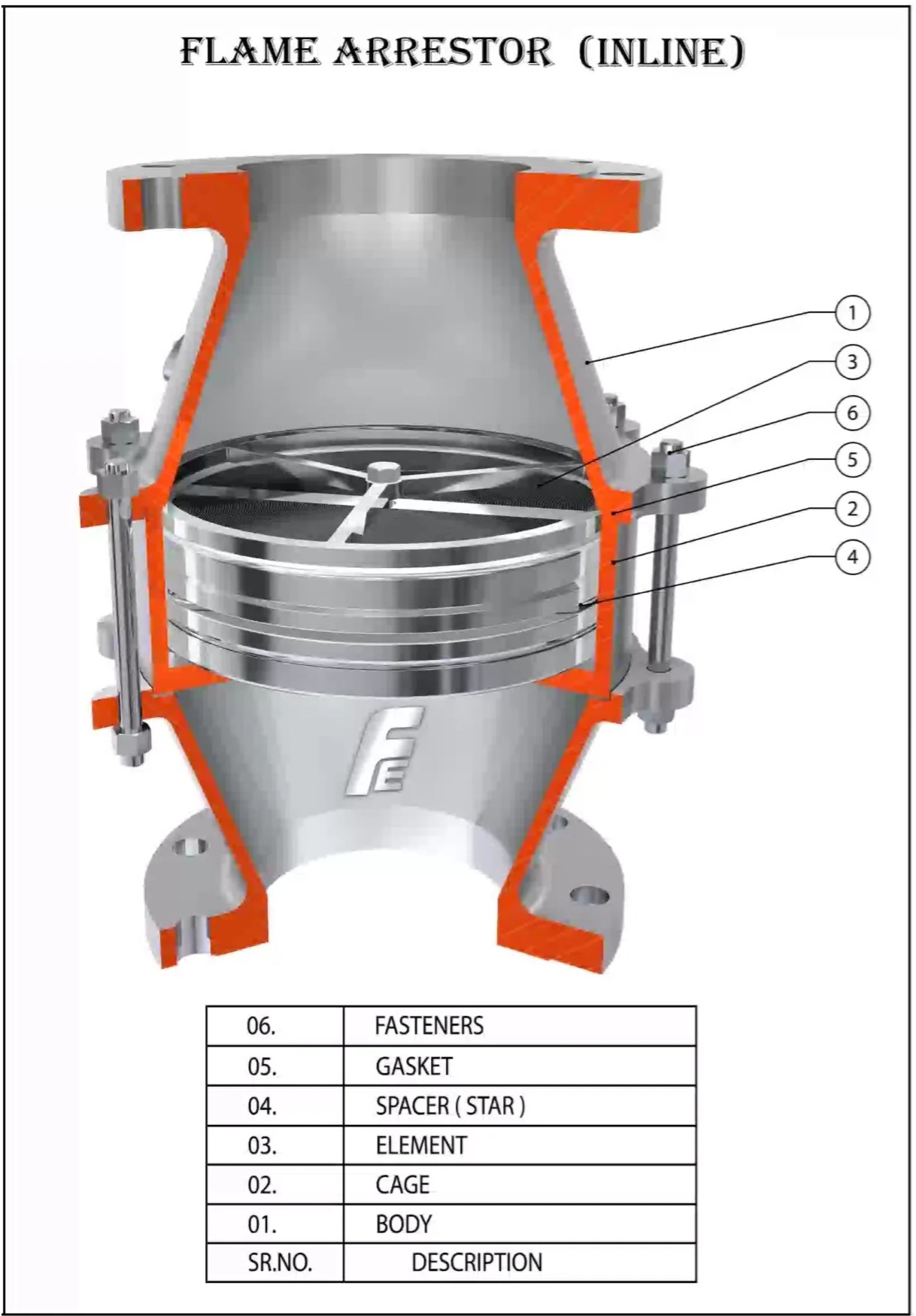
Types of Flame Arresters
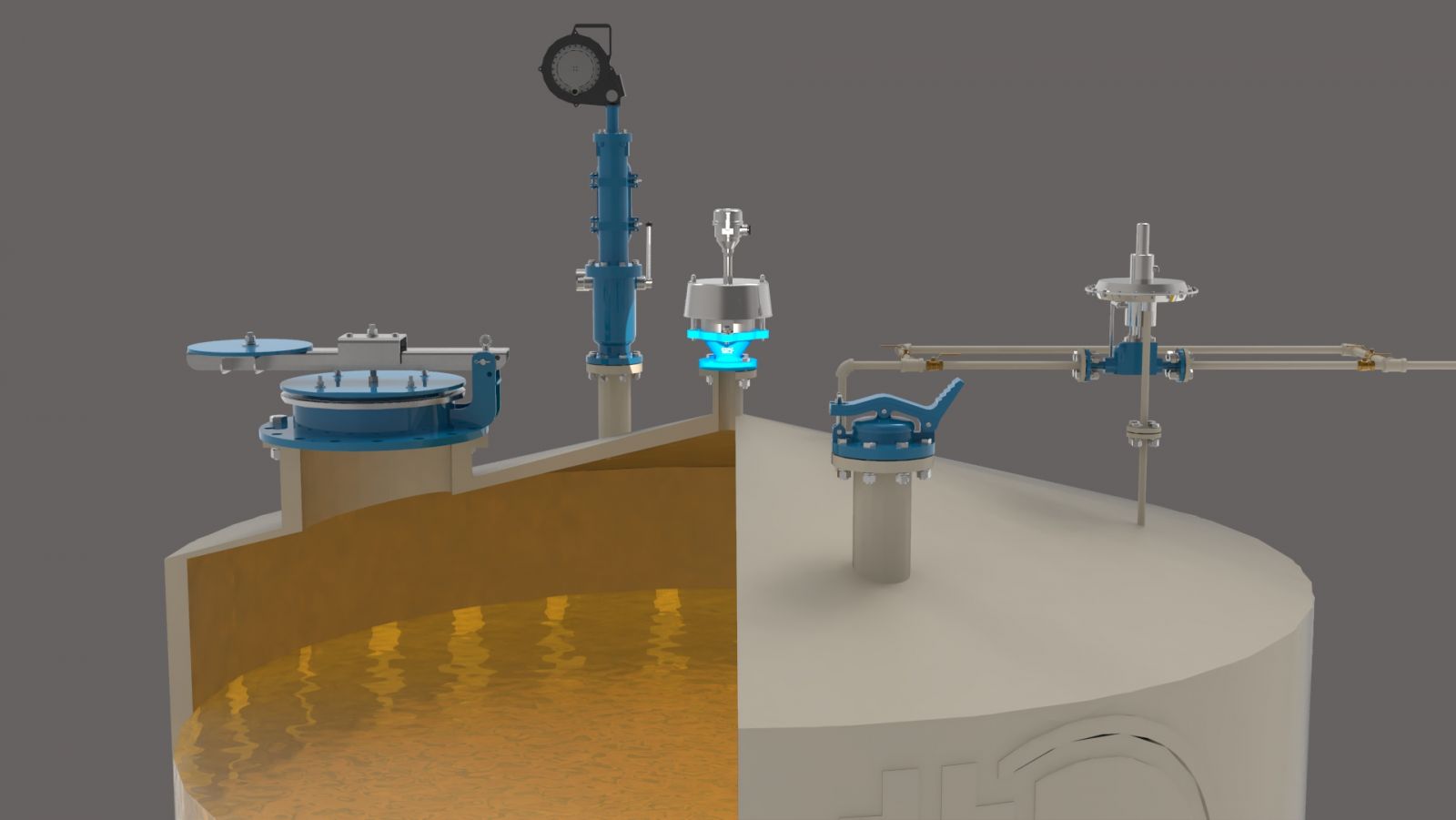
End-of-Line Flame Arrester
Installed at:
- Vent outlets
- Tank roof openings
- Direct atmospheric discharge points
Function:
Prevents external flame sources from entering the system.
This is the most commonly used type in petroleum storage facilities.
Inline Flame Arrester
Installed directly on:
- Process pipelines
- Vapor recovery systems
- VOC recovery lines
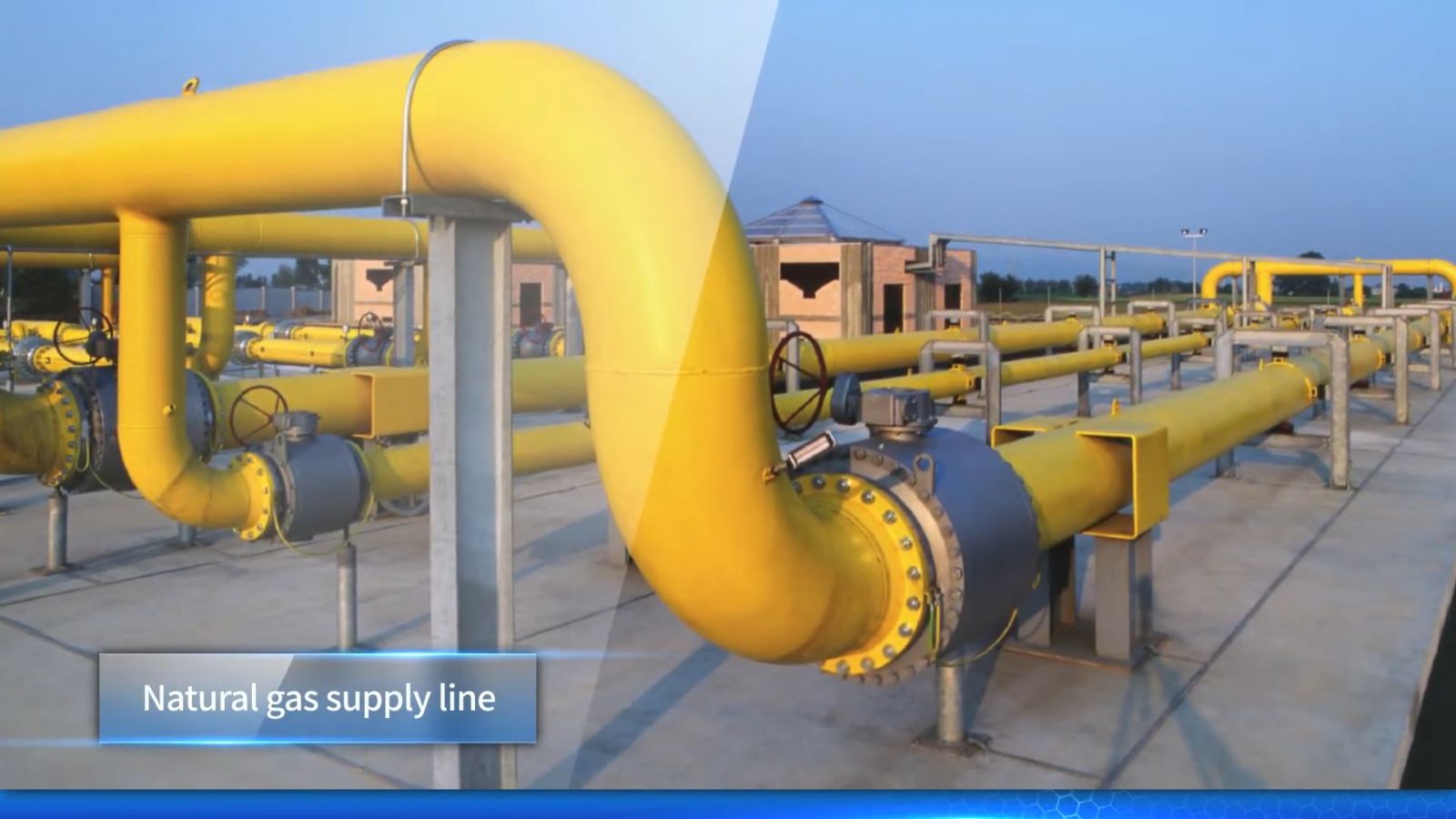
- Gas distribution networks
Function:
Prevents flame propagation within pipeline sections.
Deflagration Flame Arrester
Designed to stop deflagration (subsonic flame propagation).
Common applications:
- Vent lines
- Gas pipelines
- Vapor recovery systems
Detonation Flame Arrester
A high-performance type designed to withstand:
- Extremely high pressure waves
- Supersonic flame propagation (detonation)
Used in:
- Long pipeline systems
- LPG systems
- LNG facilities
- Hydrogen applications
- High-risk industrial gas systems
Applications of Flame Arresters
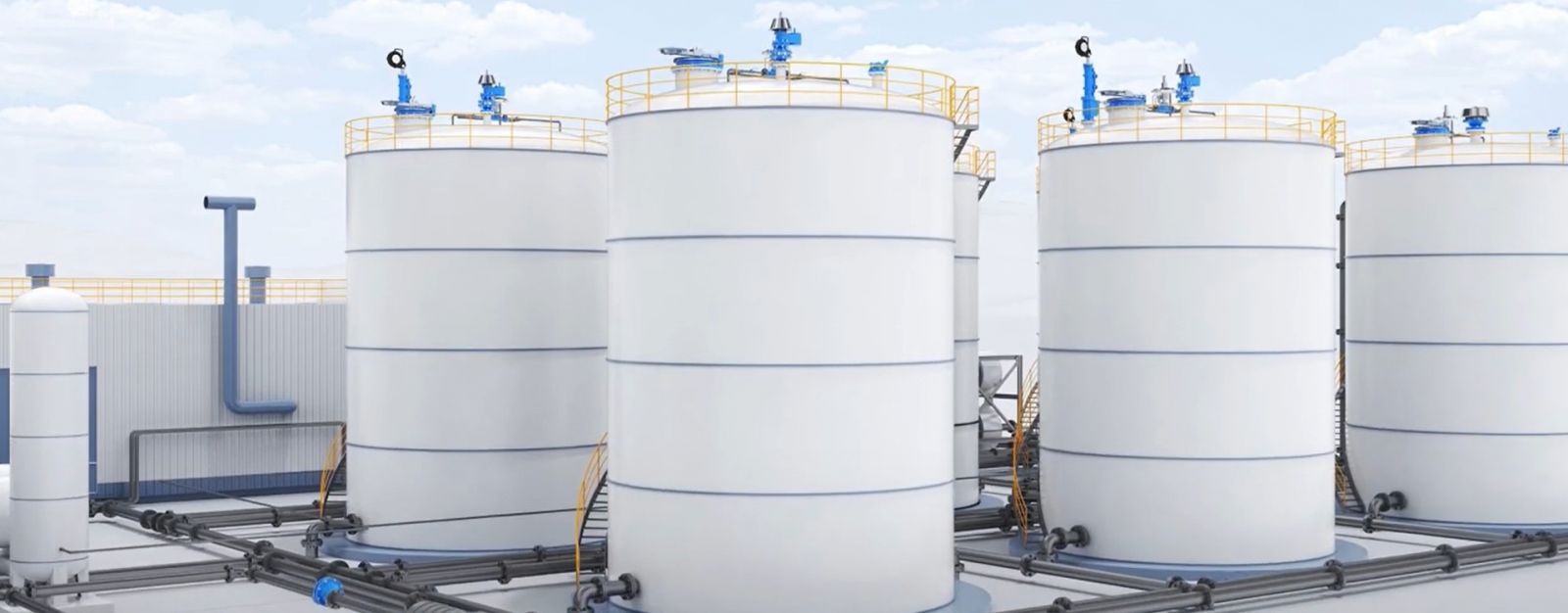
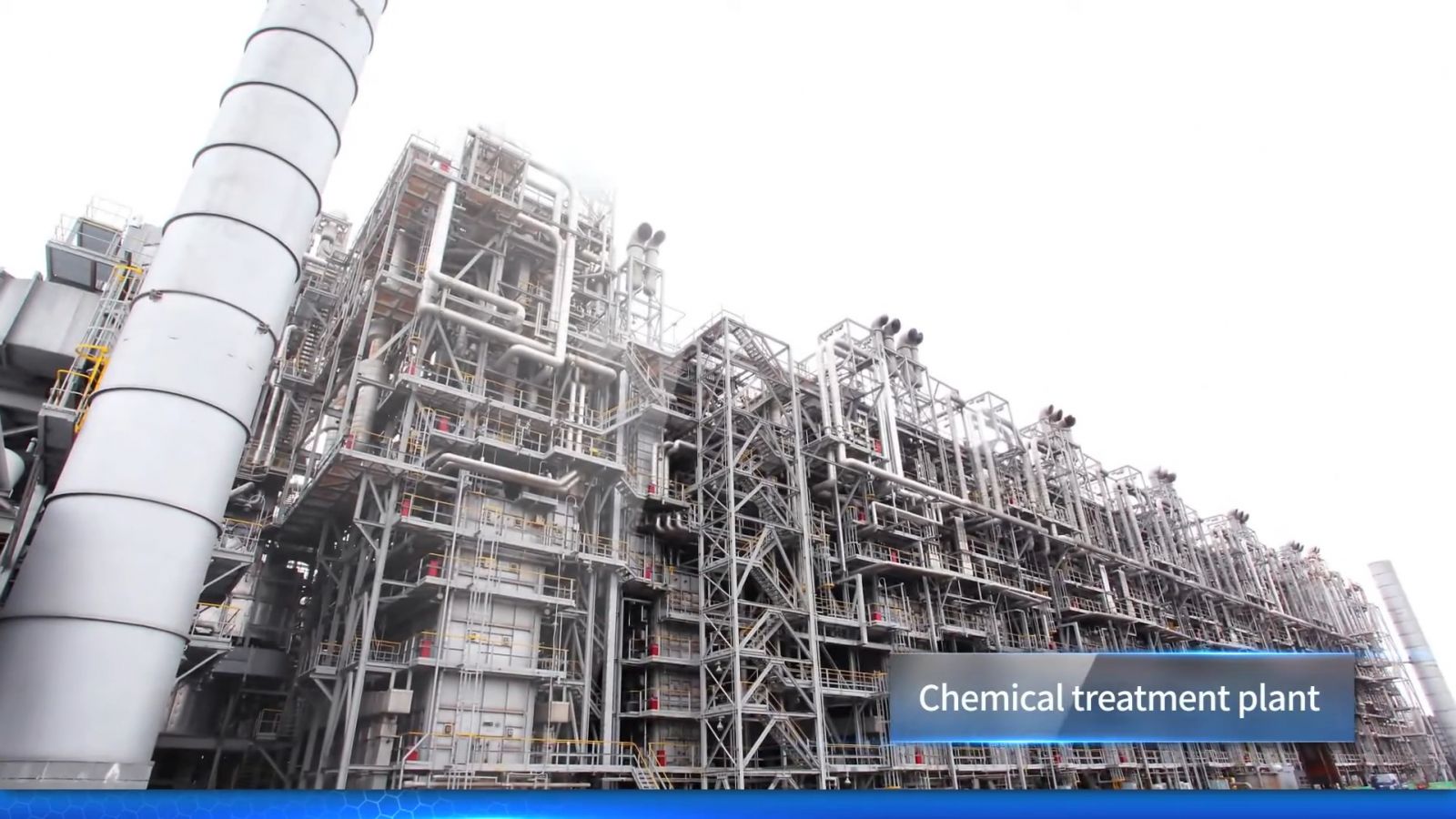
Flame Arresters are widely used in:
- Petroleum storage terminals
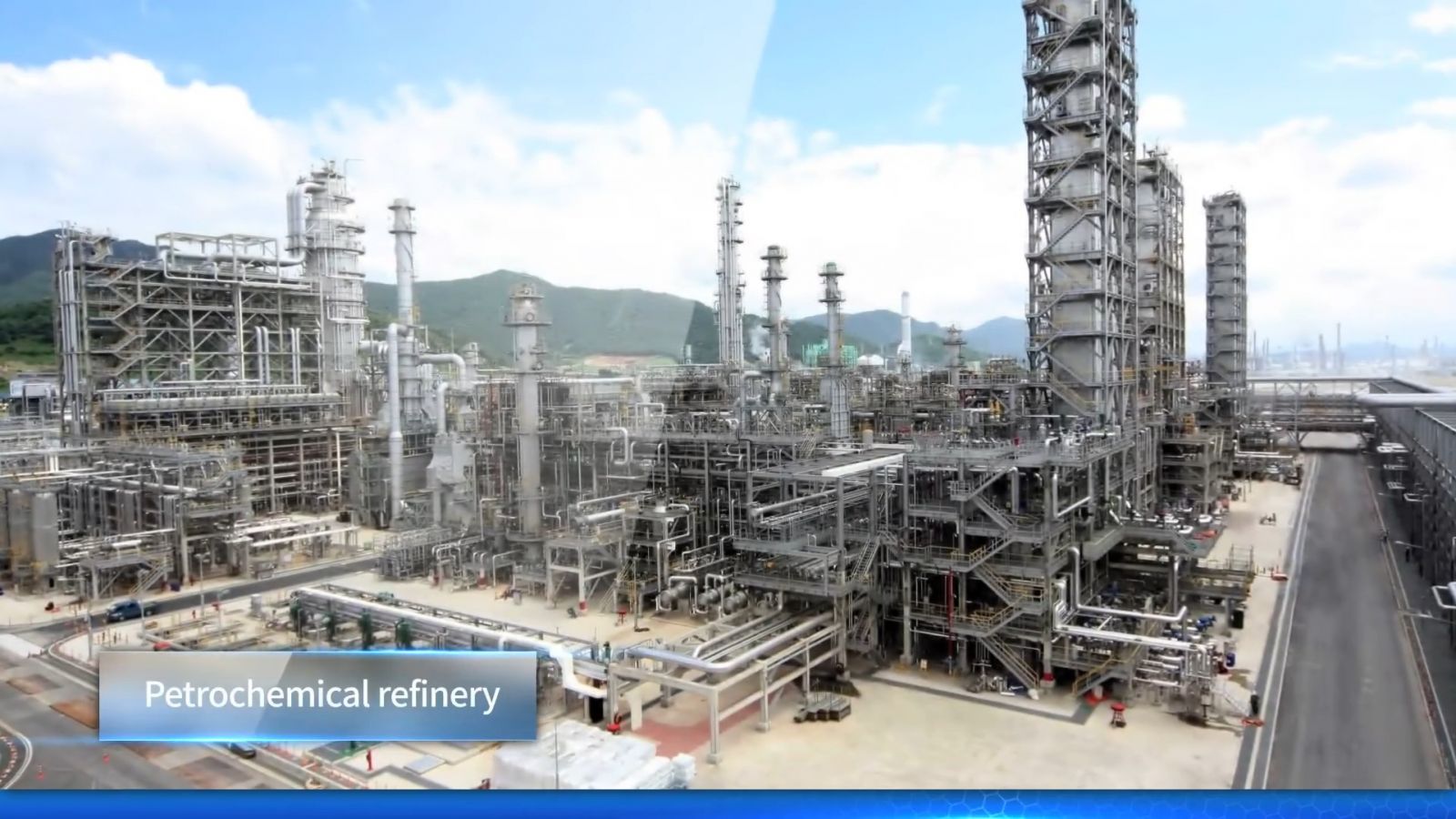
- Oil refineries
- Chemical processing plants
- Solvent storage facilities
- Methanol storage tanks
- Ethanol storage systems
- Paint and coating industries
- VOC recovery systems
- Biogas plants
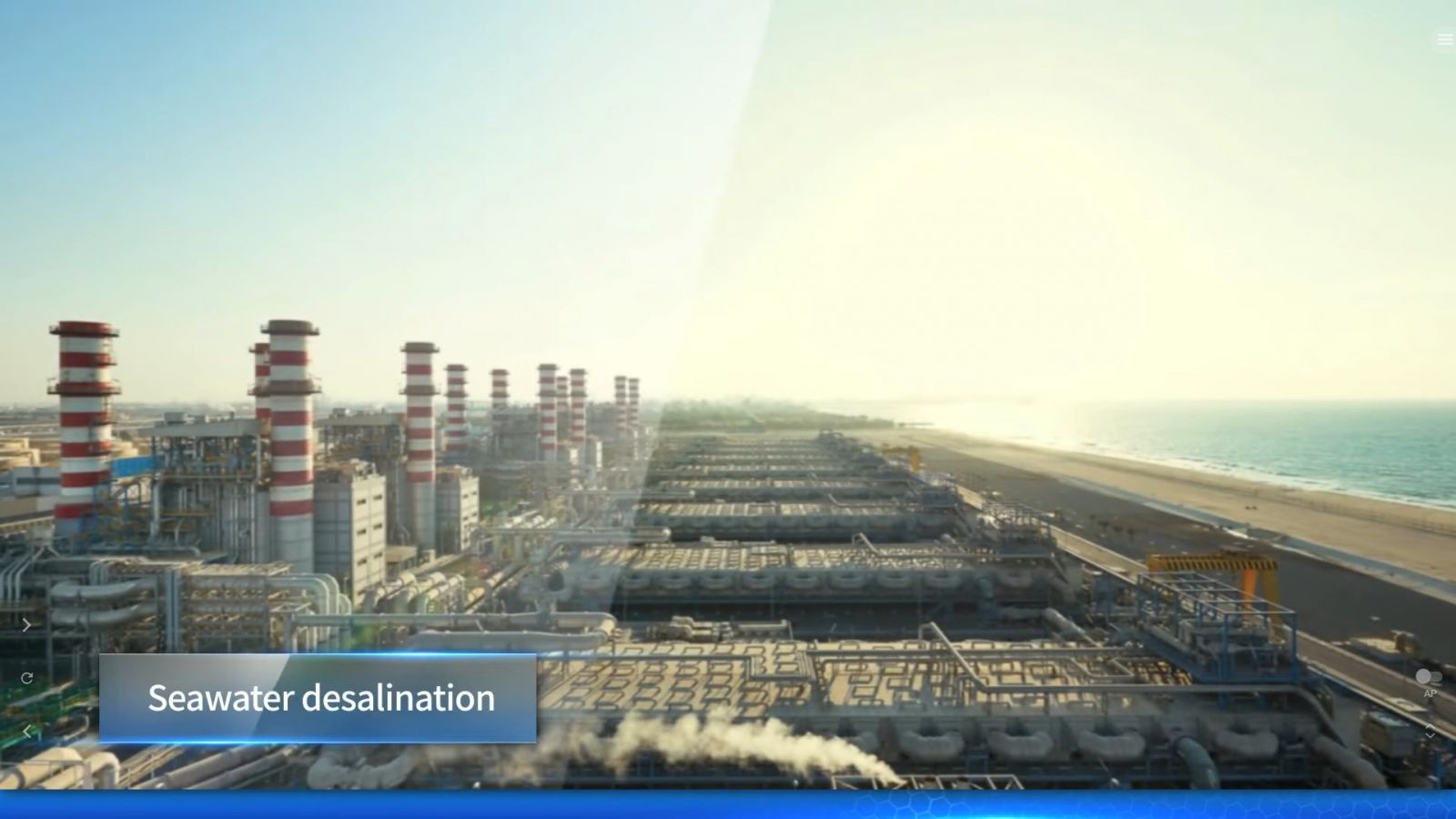
- Industrial gas processing
- LPG systems
- LNG systems
- Hydrogen systems
- Aviation fuel storage
- Pharmaceutical and food processing industries
What Equipment Is Flame Arrester Commonly Combined With?
In real-world systems, Flame Arresters are rarely used alone. They are typically integrated with:
- Pressure Vacuum Relief Valves (PVRV)
- Emergency Vent Valves
- Nitrogen Blanketing Systems
- Pressure Relief Valves
- Check Valves
- Vacuum Relief Valves
This forms a layered protection strategy (Layer of Protection concept).
Applicable Standards
When selecting a Flame Arrester, compliance with international standards is essential:
- ISO 16852
- API 2000
- ATEX Directive
- NFPA 30
- KFI Certification
- IECEx (where required)
These standards ensure validated fire protection performance and safe operation.
Selection Guidelines
Proper selection should consider:
- Type of media
- Gas group classification (IIA, IIB3, IIC)
- Operating pressure
- Temperature range
- Installation position
- Flow rate requirements
- Pipe size
- Applicable safety standards
- Actual operating conditions
Selection should never be based solely on price or size.
Maintenance and Inspection
Although Flame Arresters have no moving parts, regular maintenance is still required.
Key maintenance tasks include:
- Cleaning the flame arresting element
- Checking for contamination or blockage
- Inspecting corrosion or damage
- Verifying gasket integrity
- Measuring pressure drop
- Replacing the element when necessary
Typical inspection intervals range from 6 to 12 months, depending on operating conditions.
Conclusion
A Flame Arrester is one of the most critical safety devices in flammable storage and transfer systems.
It plays a vital role in preventing flame propagation, protecting storage tanks, pipelines, process equipment, and personnel from severe fire and explosion hazards.
To ensure maximum effectiveness, the correct selection of type (End-of-Line, Inline, Deflagration, or Detonation), gas group classification (IIA, IIB3, IIC), sizing, and compliance with standards (ISO 16852, API 2000, ATEX) is essential.
For optimal system safety, Flame Arresters should be integrated with Pressure Vacuum Relief Valves (PVRV), Emergency Vent Valves, and Nitrogen Blanketing Systems, forming a multi-layer protection strategy widely adopted in petroleum, chemical, and process industries.
Related News
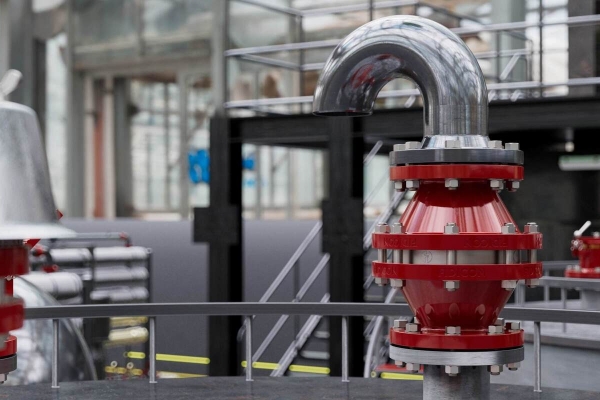
What Types of Valves and Equipment Are Commonly Installed with a Flame Arrester?
02/07/2026
A Flame Arrester is typically not installed as a standalone device. Instead, it is commonly used in combination with safety devices such as Breather Valves, Emergency Vent Valves, and Check Valves. Each component serves a specific function, including pressure regulation, emergency pressure relief, or reverse flow prevention. Depending on the application—such as petroleum storage tanks, gas handling systems, or welding and cutting equipment—the combination of these devices will vary to provide comprehensive safety and reliable system protection.
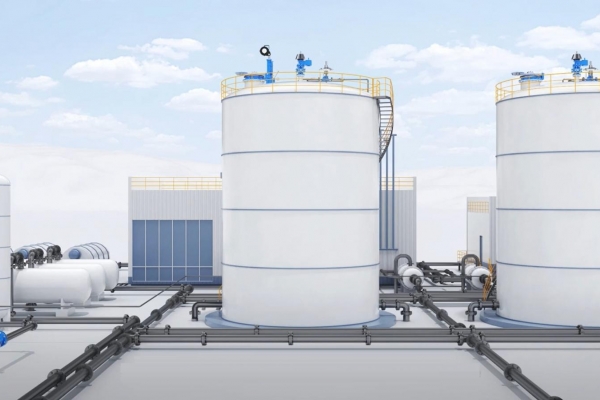
When Is a Tank Breather Valve Required?
02/07/2026
A breather valve (Pressure Vacuum Relief Valve – PVRV) is a critical safety device for oil and chemical storage tanks. It helps balance pressure and vacuum conditions during filling, emptying, and temperature changes. This article provides a detailed analysis of five mandatory cases for installing a breather valve according to the API 2000 standard, helping engineers select the correct equipment, improve operational safety, and reduce product vapor losses.
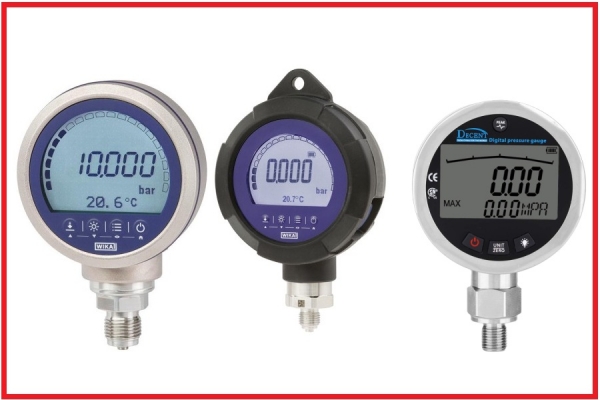
Digital Pressure Gauge | Electronic Pressure Gauge | PM-E.VN
17/05/2026
Digital pressure gauge with LED/LCD display, high accuracy, and excellent vibration resistance. PM-E.VN supplies genuine electronic pressure gauges for industrial applications.
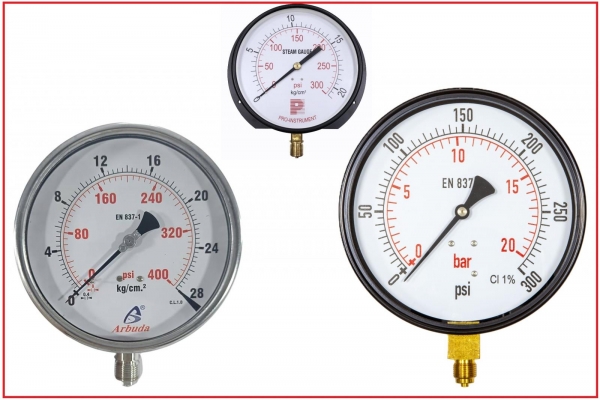
Steam Pressure Gauge | Boiler Pressure Gauge | PM-E.VN
17/05/2026
Steam pressure gauge for boilers and industrial steam systems. High temperature resistant, durable, and accurate. PM-E.VN supplies genuine industrial pressure gauges.
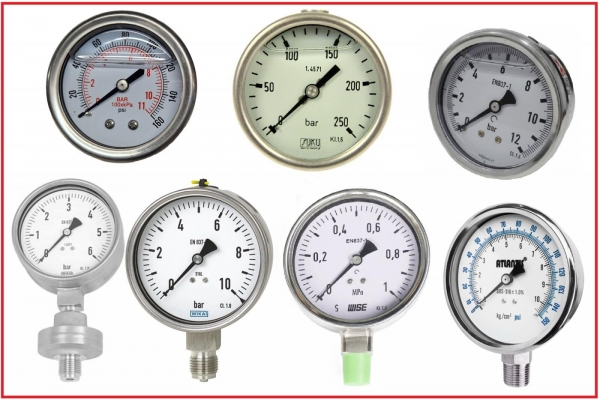
Stainless Steel Pressure Gauge | Industrial Pressure Gauge | PM-E.VN
17/05/2026
Stainless steel pressure gauge for water, air, steam, and chemical applications. Corrosion-resistant, durable, and accurate. PM-E.VN supplies genuine industrial pressure gauges.








Vertical Multistage Pump
Contact


AWN Dredger Pump
Contact

AMG Sand Gravel Pump
Contact

AnPump Horizontal Slurry Pump
Contact
About us

PHUC MINH ENGINEERING CO., LTD
Head Office: 92/38, No.12 St, Quarter 18, Binh Hung Hoa Ward, Ho Chi Minh City, Vietnam.
Tax Code: 0314405007
Tel: +842835352125
Fax: +842835350254
Email: info@pm-e.vn
Website: www.pm-e.vn
Quang Ngai Branch:
Address: 123/4 Vo Thi Sau, Chanh Lo, Quang Ngai, 840255, Vietnam
- Policies and regulations
- Payments
- Shipping and forwarding
- Warranty Policy
- Complaint handling process
- Exchanges and refunds
- Privacy Policy
Return Policy
Social network

.png)








Copyright © 20017 Copyright by Phuc Minh Technology Co., Ltd