



Technical Guidance
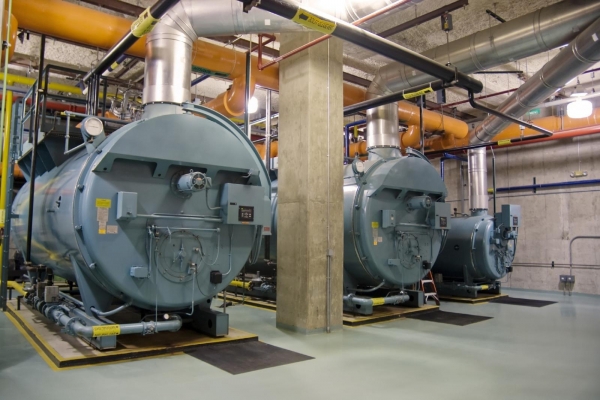
Operating Principle of a Boiler
14/05/2024
I./Operating Principle of a Boiler and Safety Measures Operating Principle of a Boiler A boiler, also known as a steam generator, is a device that converts water into steam using heat generated from fuel combustion. This steam is then used for various industrial purposes such as heating, power generation, and running machinery. Below is a basic overview of how a boiler operates: Fuel and Combustion System: Fuel: Fuel, which can be coal, oil, gas, or biomass, is fed into the boiler's combustion chamber. Combustion: The fuel is burned in the combustion chamber, generating heat. This process requires a supply of air or oxygen to sustain combustion. Heat Transfer: Direct Heat Transfer: The heat generated from combustion is directly transferred to water through the heat exchange surfaces of water tubes or steam pipes. Convection and Radiation Heat Transfer: Heat is also transferred via radiation from the flame and convection from the combustion gases.
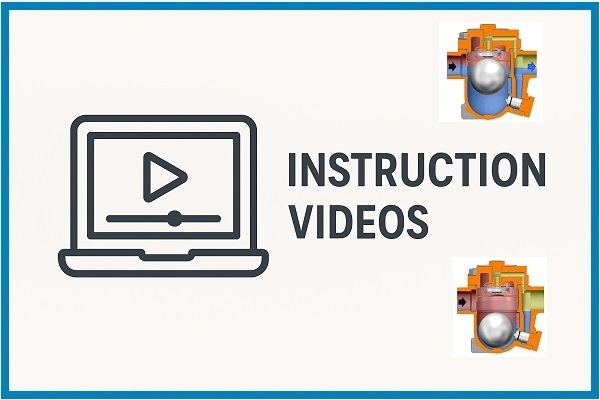
Structure and operating principle of free float steam traps and thermodynamic steam traps.
20/11/2025
Structure and operating principle of free float steam traps and thermodynamic steam traps.








About us

PHUC MINH ENGINEERING CO., LTD
Head Office: 92/38, No.12 St, Quarter 18, Binh Hung Hoa Ward, Ho Chi Minh City, Vietnam.
Tax Code: 0314405007
Tel: +842835352125
Fax: +842835350254
Email: info@pm-e.vn
Website: www.pm-e.vn
Quang Ngai Branch:
Address: 123/4 Vo Thi Sau, Chanh Lo, Quang Ngai, 840255, Vietnam
- Policies and regulations
- Payments
- Shipping and forwarding
- Warranty Policy
- Complaint handling process
- Exchanges and refunds
- Privacy Policy
Return Policy
Social network

.png)








Copyright © 20017 Copyright by Phuc Minh Technology Co., Ltd