



General Principles for Selecting a Steam Trap
1️⃣ General Principles for Selecting a Steam Trap
Before selecting a steam trap, the following factors must be determined:
Type of equipment or application:
Heat exchanger, steam main, steam tracing, etc.
Operating pressure and temperature:
The steam trap must be able to withstand the corresponding pressure and temperature conditions.
Condensate flow rate:
The trap must be capable of discharging sufficient condensate to allow the equipment to operate at optimal efficiency.
Load variation:
If the load fluctuates, select a trap that can operate stably when condensate flow changes.
Steam retention capability:
The trap should minimize steam loss to improve energy efficiency.
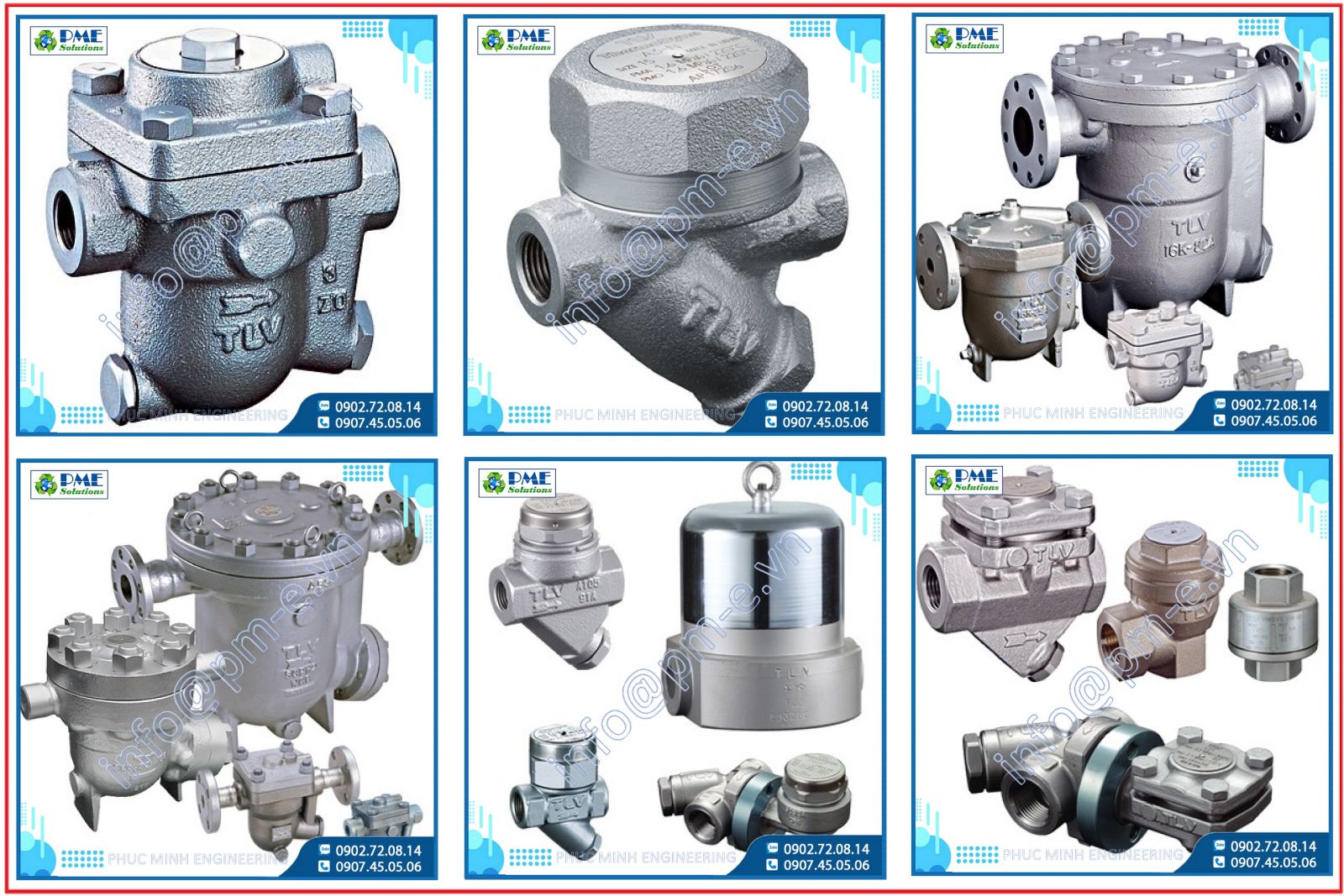
2️⃣ Steam Trap Selection by System Type
A. Heat Exchanger
Characteristics
-
Large amount of condensate
-
Condensate accumulation reduces heat transfer efficiency
-
Continuous condensate discharge is required
Recommended Steam Trap Types
-
Float Steam Trap
-
Ball Float Steam Trap
Reasons for Selection
-
Continuous condensate discharge without accumulation
-
Stable operation even when load changes
Typical Applications
-
Shell & tube heat exchangers
-
Tank heating systems
-
Drying equipment
B. Steam Main
Characteristics
-
High pressure
-
Small amount of condensate, but must be removed to prevent water hammer
-
Requires a durable and reliable trap
Recommended Steam Trap Type
-
Thermodynamic Steam Trap (Disc Trap)
Reasons for Selection
-
Excellent performance under high pressure
-
Simple design with fewer failure points
Typical Applications
-
Steam headers
-
Steam main drip points
-
Steam distribution lines
C. Steam Tracing
Characteristics
-
Small condensate flow rate
-
Low to medium pressure
-
Requires good steam economy
Recommended Steam Trap Type
-
Thermostatic Steam Trap
(Bimetallic or Balanced Pressure type)
Reasons for Selection
-
Discharges condensate based on temperature difference
-
Good steam retention for energy saving
Typical Applications
-
Small tracing lines
-
Tank pipeline heating
-
Chemical tracing systems
3️⃣ Quick Summary Table
| System | Steam Trap Type | Main Advantages |
|---|---|---|
| Heat Exchanger | Float / Ball Float | Continuous condensate discharge, stable under variable load |
| Steam Main | Thermodynamic (Disc) | Withstands high pressure, durable design |
| Steam Tracing | Thermostatic (Bimetallic / Balanced Pressure) | Good steam retention, energy saving |
4️⃣ Technical Notes
Check actual condensate flow rate:
Select a steam trap with a capacity greater than or equal to the required discharge flow.
Back pressure:
Some steam traps are sensitive to back pressure, so this must be considered when installing traps at the end of pipelines.
Installation position:
Steam traps should be installed at the lowest point of the equipment or condensate collection point.
Maintenance:
-
Mechanical traps (float / inverted bucket) require periodic inspection
-
Thermodynamic traps generally have fewer failures
-
Thermostatic traps are ideal for tracing applications and require less maintenance
💡 Quick Selection Tips for Plant Engineers
-
Heat exchanger → Float Trap
-
Steam main → Thermodynamic Trap
-
Steam tracing → Thermostatic Trap
Related News
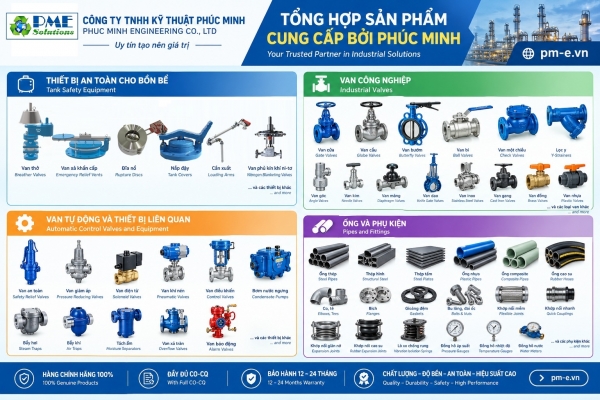
Overview of Products Supplied by Phuc Minh
13/10/2026
Below is the COMPREHENSIVE LIST OF MANUFACTURERS of valves, pipes, and fittings.
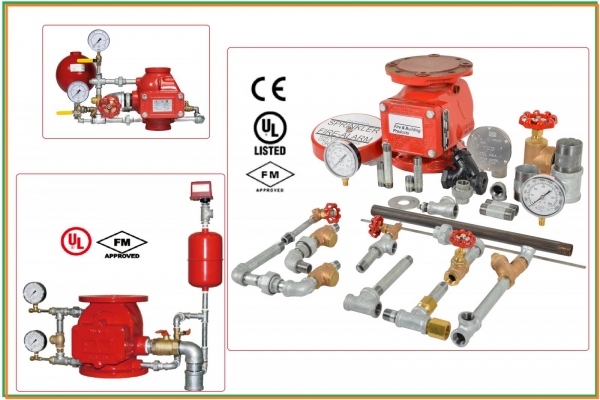
Professional Fire Protection Valve & Equipment Solutions – Leading Global Brands
24/03/2026
In any fire protection system, firefighting valves and water control equipment play a critical role in rapid response, system control, and the protection of life and property. Selecting products from world-leading brands that comply with international standards such as UL, FM, EN, and ISO ensures operational reliability, safety, and long-term performance.
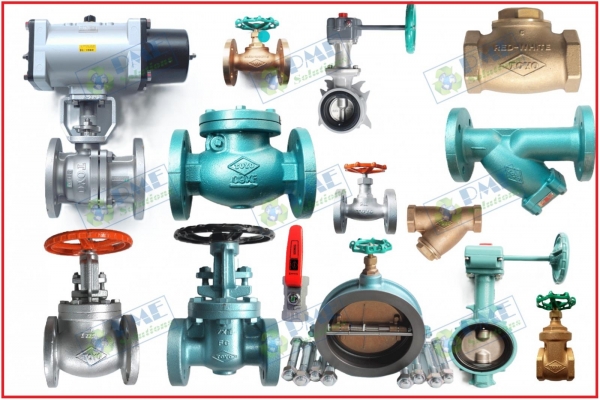
Toyo Valve Japan – Official Genuine Valves 2026 | Latest Price List
01/04/2026
Get the latest 2026 prices for genuine Toyo Valve Japan. Wide range of industrial Toyo valves, full CO & CQ, competitive prices. Contact us for professional guidance.
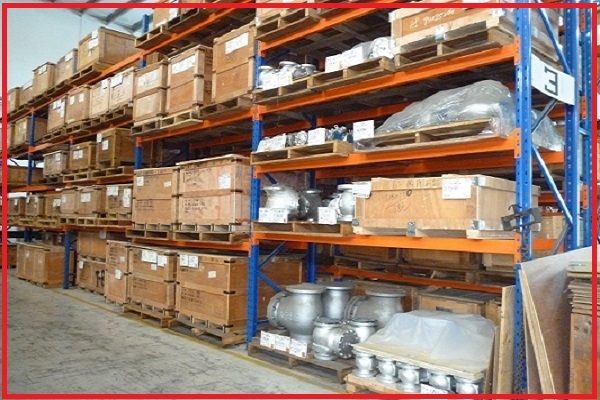
Industrial Valves
30/03/2026
Learn about industrial valves, types, applications, and latest prices. Contact Phuc Minh for high-quality valves and expert support.
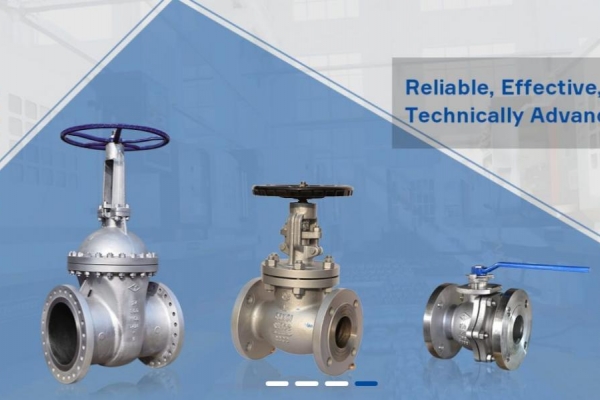
Yuanda Valve Price – Genuine Industrial Valves | PM-E.vn
31/03/2026
Get detailed Yuanda valve quotes in Vietnam from PM-E.vn. We provide a wide range of industrial valves: gate, globe, ball, butterfly, Y-strainer, and couplings. Large stock, fast delivery, competitive prices, complete CO/CQ. Contact 0907450506 – 0902720814.










About us

PHUC MINH ENGINEERING CO., LTD
Head Office: 92/38, No.12 St, Quarter 18, Binh Hung Hoa Ward, Ho Chi Minh City, Vietnam.
Tax Code: 0314405007
Tel: +842835352125
Fax: +842835350254
Email: info@pm-e.vn
Website: www.pm-e.vn
Quang Ngai Branch:
Address: 123/4 Vo Thi Sau, Chanh Lo, Quang Ngai, 840255, Vietnam
- Policies and regulations
- Payments
- Shipping and forwarding
- Warranty Policy
- Complaint handling process
- Exchanges and refunds
- Privacy Policy
Return Policy
Social network

.png)








Copyright © 20017 Copyright by Phuc Minh Technology Co., Ltd