



How to Select the Right Steam Trap for Different Applications (Heat Exchanger – Steam Main – Steam Tracing)
How to Select the Right Steam Trap for Different Applications
(Heat Exchanger – Steam Main – Steam Tracing)
Selecting the correct Steam Trap is essential for ensuring the efficient operation of a steam system. Each application has different requirements in terms of condensate load, pressure conditions, and operating characteristics.
According to steam system specialists such as some bigest brands, steam traps should be selected based on the specific type of equipment or application.
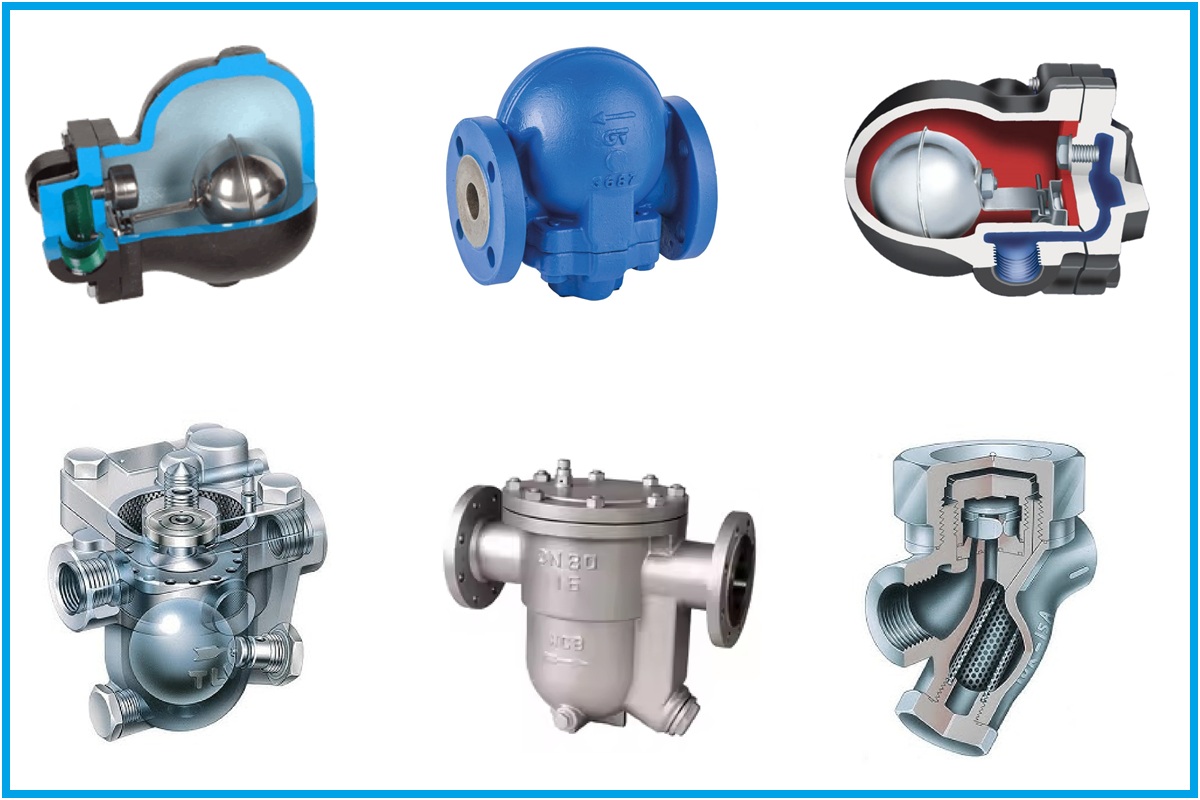
Below are recommended steam trap types for three common applications.
1. Heat Exchangers
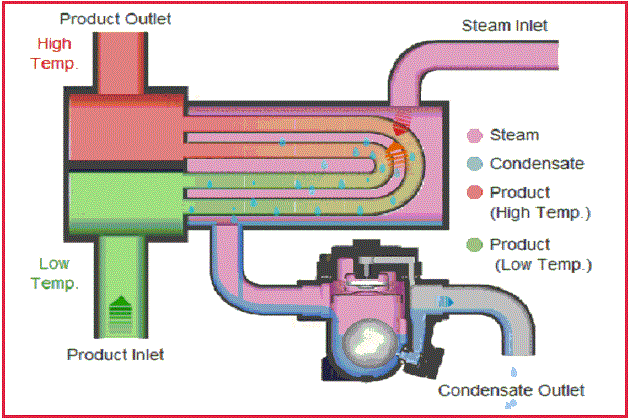
System Characteristics
-
Large amount of condensate generation
-
Requires continuous condensate discharge
-
Condensate accumulation can reduce heat transfer efficiency
Recommended Steam Traps
-
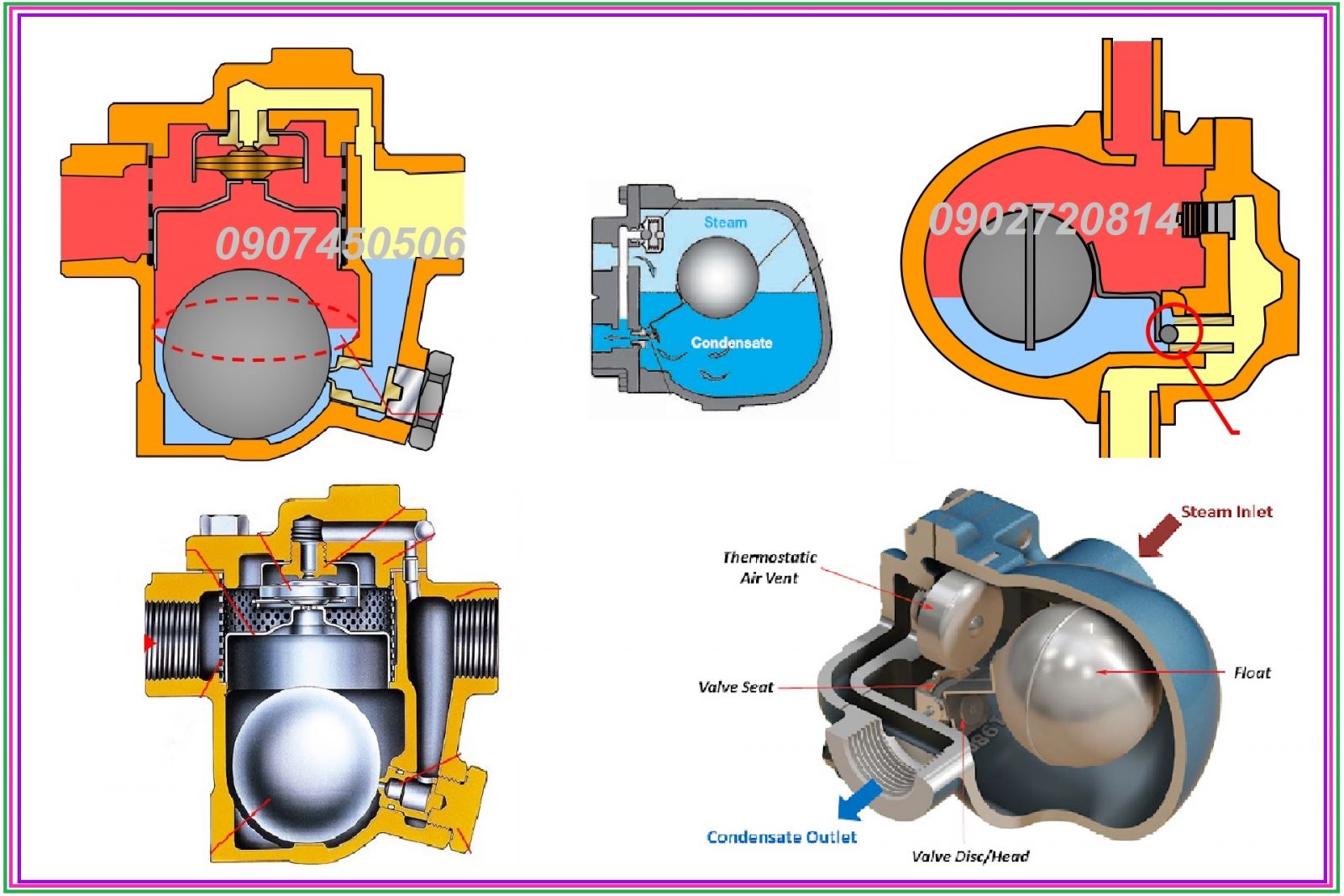
Float Steam Trap
-
Ball Float Steam Trap
Reasons
-
Provides continuous condensate removal
-
Prevents condensate backup in equipment
-
Performs well under varying load conditions
Typical Applications
-
Shell and tube heat exchangers
-
Tank heating systems
-
Drying equipment
2. Steam Mains
System Characteristics
-
High pressure conditions
-
Moderate condensate load
-
Requires durable and reliable traps
Recommended Steam Traps
-
Thermodynamic Steam Trap
-
Disc Steam Trap
.jpg)
Reasons
-
Excellent high-pressure capability
-
Simple and robust design
-
Suitable for long steam distribution lines
Typical Installation Locations
-
Steam headers
-
Steam main drip points
-
Steam distribution pipelines
3. Steam Tracing
System Characteristics
-
Small condensate load
-
Typically low to medium pressure
-
Requires energy-efficient operation
Recommended Steam Traps
-
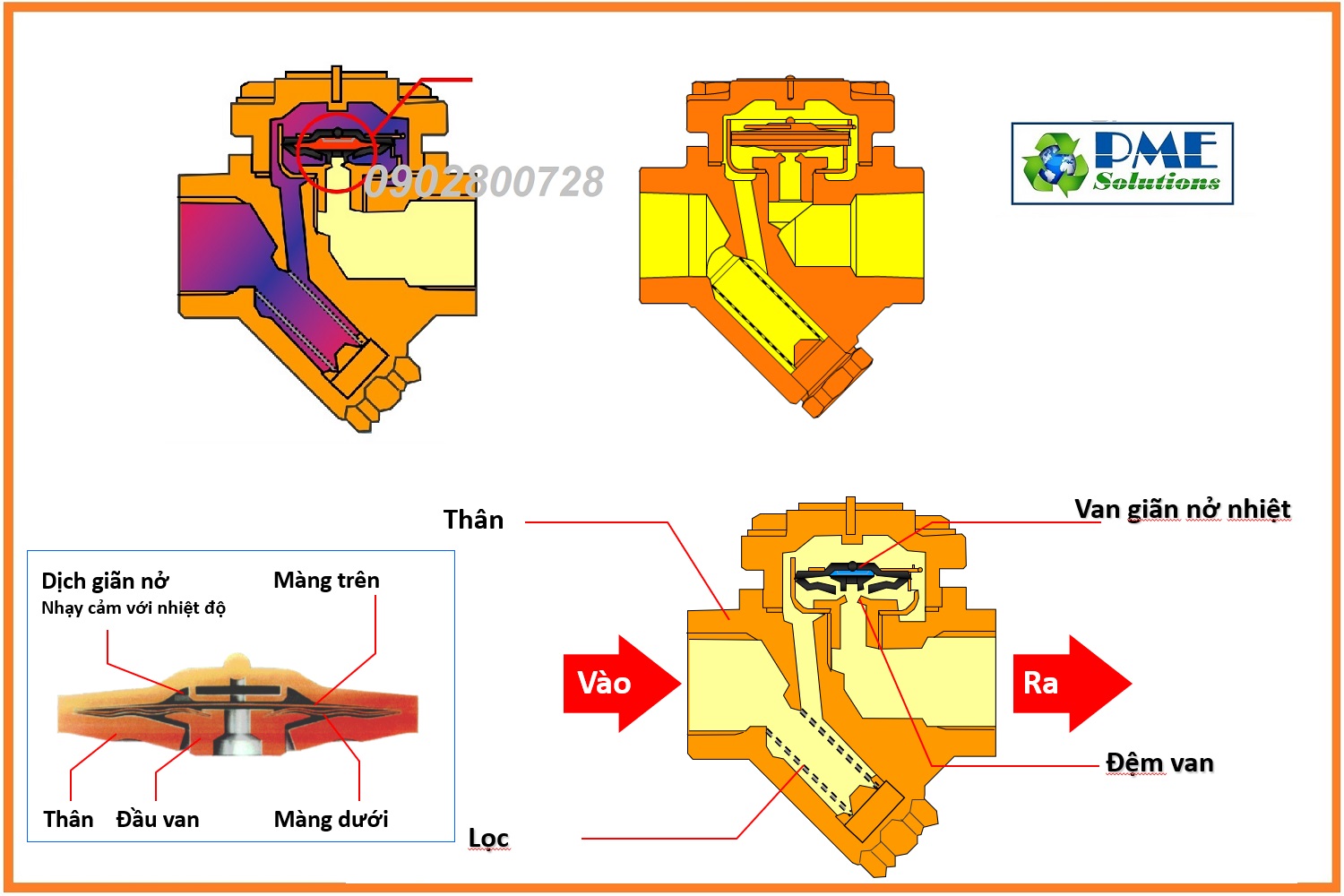
Thermostatic Steam Trap
-
Balanced Pressure Steam Trap
-
Bimetallic Steam Trap
Reasons
-
Discharges condensate based on temperature differences
-
Helps reduce steam loss
-
Suitable for small tracing lines
Typical Applications
-
Chemical pipeline heating
-
Tank heating pipelines
-
Freeze protection systems
Summary Table
| Application | Recommended Steam Trap | Main Advantage |
|---|---|---|
| Heat Exchanger | Float Steam Trap | Continuous condensate discharge |
| Steam Main | Thermodynamic Steam Trap | High pressure capability |
| Steam Tracing | Thermostatic Steam Trap | Energy-efficient operation |
Key Engineering Considerations When Selecting a Steam Trap
-
Condensate Load
The steam trap must have sufficient discharge capacity. -
Operating Pressure
Ensure the trap can withstand the required pressure range. -
Back Pressure
Back pressure may affect the discharge performance. -
Type of Steam Equipment
Different equipment requires different steam trap designs.
Related News
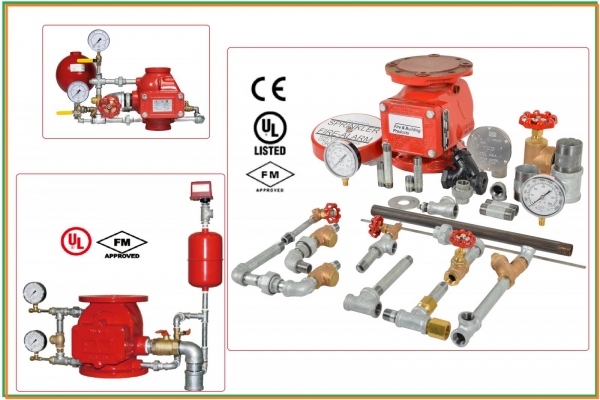
Professional Fire Protection Valve & Equipment Solutions – Leading Global Brands
24/03/2026
In any fire protection system, firefighting valves and water control equipment play a critical role in rapid response, system control, and the protection of life and property. Selecting products from world-leading brands that comply with international standards such as UL, FM, EN, and ISO ensures operational reliability, safety, and long-term performance.
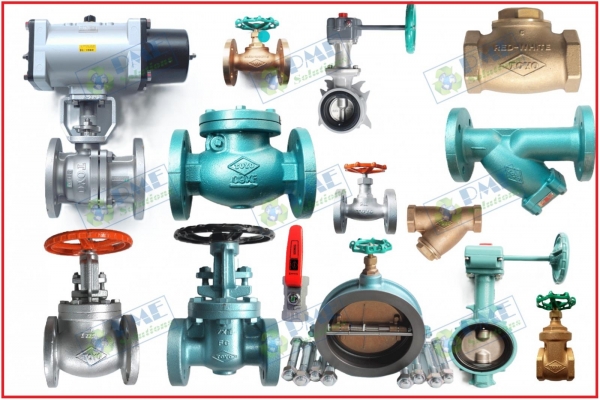
Toyo Valve Japan – Official Genuine Valves 2026 | Latest Price List
01/04/2026
Get the latest 2026 prices for genuine Toyo Valve Japan. Wide range of industrial Toyo valves, full CO & CQ, competitive prices. Contact us for professional guidance.
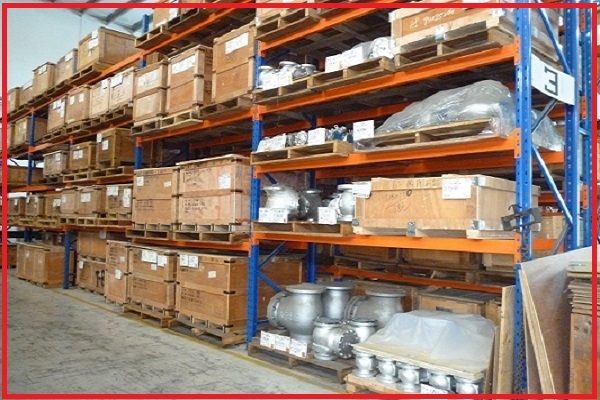
Industrial Valves
30/03/2026
Learn about industrial valves, types, applications, and latest prices. Contact Phuc Minh for high-quality valves and expert support.
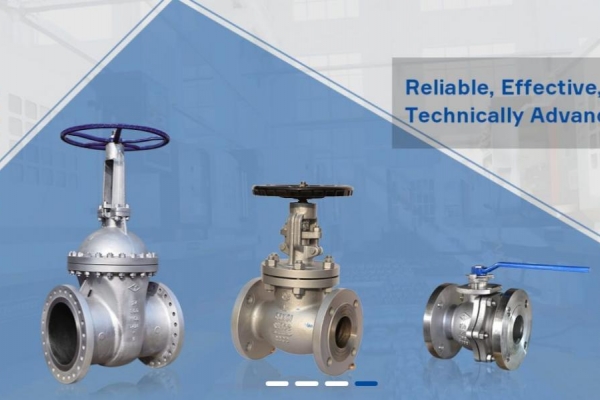
Yuanda Valve Price – Genuine Industrial Valves | PM-E.vn
31/03/2026
Get detailed Yuanda valve quotes in Vietnam from PM-E.vn. We provide a wide range of industrial valves: gate, globe, ball, butterfly, Y-strainer, and couplings. Large stock, fast delivery, competitive prices, complete CO/CQ. Contact 0907450506 – 0902720814.
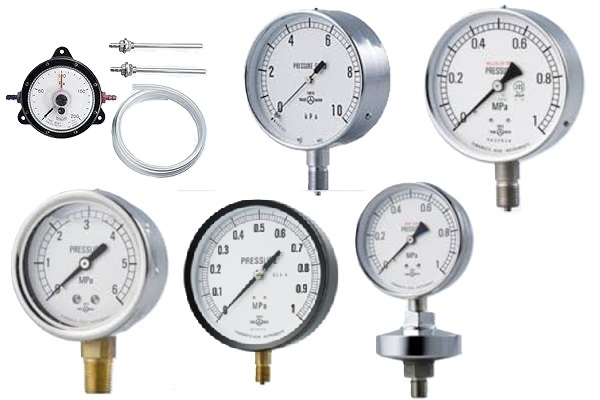
Quick Quote: Yamamoto Keiki – Genuine Japanese Pressure & Temperature Gauges for Industry
31/03/2026
Discover Yamamoto Keiki pressure gauges, thermometers, and pressure control devices – 100% made in Japan, highly accurate and durable, widely used in boilers, oil & gas, chemical, food & pharmaceutical, power plants, and HVAC systems.








Vertical Multistage Pump
Contact


AWN Dredger Pump
Contact

AMG Sand Gravel Pump
Contact

AnPump Horizontal Slurry Pump
Contact
About us

PHUC MINH ENGINEERING CO., LTD
Head Office: 92/38, No.12 St, Quarter 18, Binh Hung Hoa Ward, Ho Chi Minh City, Vietnam.
Tax Code: 0314405007
Tel: +842835352125
Fax: +842835350254
Email: info@pm-e.vn
Website: www.pm-e.vn
Quang Ngai Branch:
Address: 123/4 Vo Thi Sau, Chanh Lo, Quang Ngai, 840255, Vietnam
- Policies and regulations
- Payments
- Shipping and forwarding
- Warranty Policy
- Complaint handling process
- Exchanges and refunds
- Privacy Policy
Return Policy
Social network

.png)








Copyright © 20017 Copyright by Phuc Minh Technology Co., Ltd