



Steam Trap – Types, Structure & How to Choose the Right Trap for Industrial Steam Systems 2026 | PM-E.VN
1. What is a Steam Trap?
A Steam Trap is a device used to remove condensate and retain steam in pipelines or equipment using steam.
Main functions of a Steam Trap:
-
Separate and discharge condensate at the right time
-
Prevent live steam loss
-
Improve heat transfer efficiency
-
Protect equipment from water hammer
-
Reduce fuel consumption in boilers
Steam traps act like smart valves, automatically distinguishing between steam and condensate based on temperature, pressure, and density.
2. Why Install Steam Traps in Factories?
2.1. Remove Condensate from the System
If condensate is not properly drained, it can cause:
-
Reduced heat transfer efficiency
-
Corrosion in pipelines
-
Shortened equipment lifespan
2.2. Save 8–15% Fuel
A faulty or leaking trap forces the boiler to work harder, increasing coal, oil, or gas costs.
2.3. Prevent Water Hammer Accidents
Condensate pressure buildup can cause:
-
Pipe vibration
-
Flange breakage
-
Heat exchanger damage
2.4. Extend Steam Equipment Life
Properly functioning traps keep steam dry, protecting the entire system.
3. Steam Trap Structure
The structure varies by type but generally includes:
-
Valve body: Cast iron, steel, or stainless steel
-
Float, bimetal, or orifice
-
Valve disc / seat
-
Strainer
-
Trap cover
4. Steam Trap Types – Advantages & Disadvantages
4.1. Float Steam Trap
-
Applications: Heat exchangers, heating coils, steam tanks
-
Advantages: Continuous discharge, unaffected by pressure differences, stable operation
-
Disadvantages: Not suitable for high-pressure steam, higher cost than thermodynamic traps
4.2. Thermodynamic Steam Trap
-
Applications: Main steam lines, long pipelines, outdoor systems
-
Advantages: Compact, lightweight, low cost, high-pressure resistant, durable, low maintenance
-
Disadvantages: Sensitive to weather, not suitable for systems requiring stable steam flow
4.3. Thermostatic Steam Trap
-
Applications: CIP, jacketed vessels, equipment requiring dry steam
-
Advantages: Discharges condensate when cold, keeps steam dry, ideal for food & pharmaceutical industries
-
Disadvantages: Slower discharge than float traps
4.4. Orifice Steam Trap
-
Advantages: No moving parts → extremely durable
-
Disadvantages: Susceptible to blockage or incomplete discharge → requires good filtration
5. Steam Trap Comparison Table (2025 Standard)
|
Trap Type |
Advantages |
Disadvantages |
Applications |
|---|---|---|---|
|
Float |
Continuous, stable discharge |
Higher cost |
Heat exchangers |
|
Thermodynamic |
Low cost, compact |
Sensitive to wind |
Main steam lines |
|
Thermostatic |
Keeps steam dry |
Slower discharge |
Food & pharma |
|
Orifice |
Extremely durable |
Prone to blockage |
Small, stable steam lines |
6. How Steam Traps Work
6.1. Float Trap
Condensate fills → float rises → valve opens → condensate discharges → float lowers → valve closes.
6.2. Thermodynamic Trap
Based on steam-condensate velocity differences:
Steam creates vacuum → cover closes → condensate enters → valve opens → discharge → repeat.
6.3. Thermostatic Trap
Thermally expandable element in the capsule → expands when exposed to steam → closes → contracts when cold condensate enters → opens.
7. How to Choose the Right Steam Trap for Your Factory
7.1. By Condensate Flow (kg/h)
-
Heat exchanger: 10–30% of steam load
-
Coil: 5–15% of steam load
7.2. By Steam Pressure (bar)
High pressure → use thermodynamic, high-pressure float traps, or specialized thermostatic traps
7.3. By Temperature
-
Steam 180–220°C: Cast iron
-
Steam 220–300°C: Steel
-
Steam >300°C: Stainless steel or alloy
7.4. By Application
|
Application |
Suitable Trap |
|---|---|
|
Steam pipelines |
Thermodynamic |
|
Heat exchangers |
Float |
|
Food & Pharmaceutical |
Thermostatic |
|
Small, stable steam lines |
Orifice |
7.5. By Brand
PM-E.VN distributes trusted brands:
VYC (Spain), Samyang (Korea), TungLung (Taiwan), Spirax Sarco (Germany), Yoshitake / TLV / VENN (Japan), Yooyoun / YNV (Korea)
8. Proper Steam Trap Installation Guide
-
Install 20–40 mesh strainer before the trap
-
Install a pocket (condensate collection) before the trap
-
Install in the correct arrow direction → ensures proper discharge
-
Pipe slope 1–2% → allows condensate to flow to trap
-
Install bypass valve for maintenance → avoid system shutdown
9. Steam Trap Failure Signs & How to Check
Failure signs:
-
No condensate discharge
-
Continuous white steam leakage
-
Loud noise (water hammer)
-
Increased fuel consumption
Inspection methods:
-
Infrared thermometer
-
Ultrasonic detector
-
Observe pipe vibration
Maintenance interval: Every 6–12 months
Trap failure rate in industrial steam systems: 15–30%
10. Where to Buy Genuine Steam Traps?
Phúc Minh Engineering – pm-e.vn
-
15+ years designing & supplying steam systems
-
In-stock: Float – Thermodynamic – Thermostatic
-
Full CO-CQ documents
-
Competitive prices – fast nationwide delivery
-
Engineers provide accurate application consulting
📞 Hotline: +84 902 800 728 – +84 907 450 506
🌐 Website: https://pm-e.vn
📧 Email: info@pm-e.vn
Related News
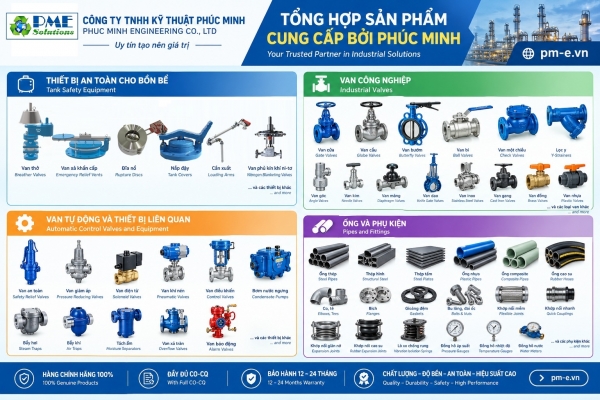
Overview of Products Supplied by Phuc Minh
13/10/2026
Below is the COMPREHENSIVE LIST OF MANUFACTURERS of valves, pipes, and fittings.
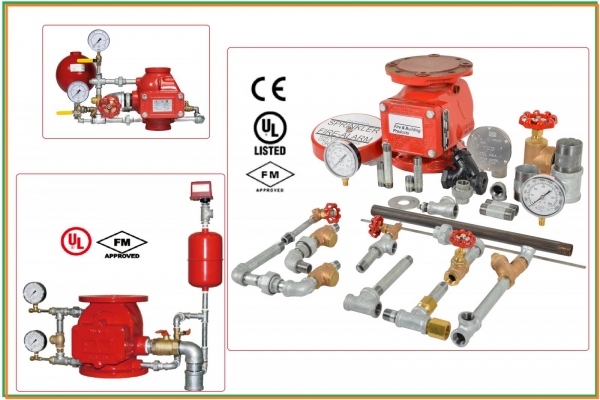
Professional Fire Protection Valve & Equipment Solutions – Leading Global Brands
24/03/2026
In any fire protection system, firefighting valves and water control equipment play a critical role in rapid response, system control, and the protection of life and property. Selecting products from world-leading brands that comply with international standards such as UL, FM, EN, and ISO ensures operational reliability, safety, and long-term performance.
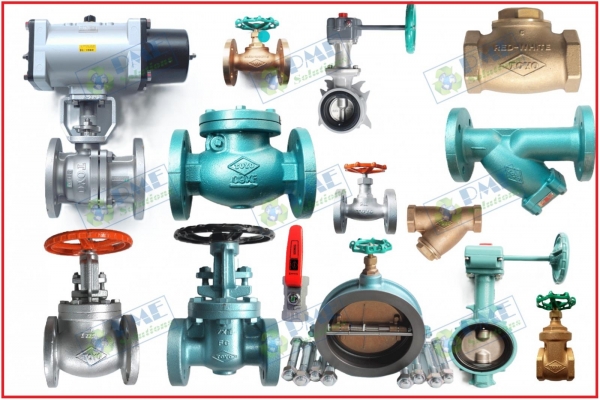
Toyo Valve Japan – Official Genuine Valves 2026 | Latest Price List
01/04/2026
Get the latest 2026 prices for genuine Toyo Valve Japan. Wide range of industrial Toyo valves, full CO & CQ, competitive prices. Contact us for professional guidance.
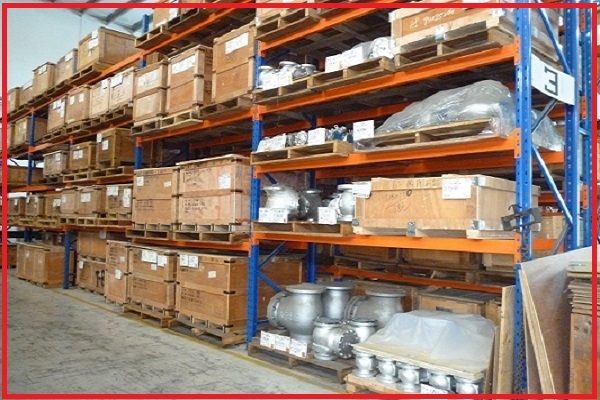
Industrial Valves
30/03/2026
Learn about industrial valves, types, applications, and latest prices. Contact Phuc Minh for high-quality valves and expert support.
Yuanda Valve Price – Genuine Industrial Valves | PM-E.vn
31/03/2026
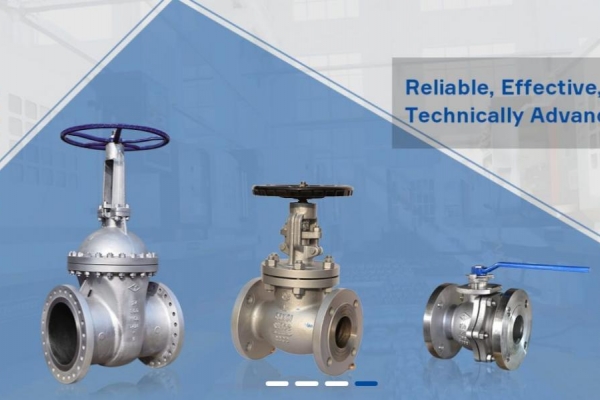
Get detailed Yuanda valve quotes in Vietnam from PM-E.vn. We provide a wide range of industrial valves: gate, globe, ball, butterfly, Y-strainer, and couplings. Large stock, fast delivery, competitive prices, complete CO/CQ. Contact 0907450506 – 0902720814.










About us

PHUC MINH ENGINEERING CO., LTD
Head Office: 92/38, No.12 St, Quarter 18, Binh Hung Hoa Ward, Ho Chi Minh City, Vietnam.
Tax Code: 0314405007
Tel: +842835352125
Fax: +842835350254
Email: info@pm-e.vn
Website: www.pm-e.vn
Quang Ngai Branch:
Address: 123/4 Vo Thi Sau, Chanh Lo, Quang Ngai, 840255, Vietnam
- Policies and regulations
- Payments
- Shipping and forwarding
- Warranty Policy
- Complaint handling process
- Exchanges and refunds
- Privacy Policy
Return Policy
Social network

.png)








Copyright © 20017 Copyright by Phuc Minh Technology Co., Ltd