



10 Most Important Industrial Equipment in Factories
🔧 Top 10 Essential Industrial Equipment Used in Modern Factories
In today’s Industry 4.0 era, modern factories depend on a wide range of industrial equipment and machinery to maintain high performance, energy efficiency, and continuous operation.
Below, PME Engineering Co., Ltd. (Phuc Minh Engineering) presents the 10 most essential types of industrial equipment, including their functions, advantages, disadvantages, and key applications across different industries.
1️⃣ Industrial Pumps
Description:
Industrial pumps are designed to move and transfer liquids such as water, oil, and chemicals throughout industrial systems.
Functions:
-
Pump and circulate liquids.
-
Maintain system pressure.
-
Support liquid and chemical processing.
Advantages:
-
High efficiency and durability.
-
Wide variety of types for different applications.
-
Easy to service and repair.
Disadvantages:
-
High initial investment.
-
Requires regular maintenance.
-
Energy consumption can be significant.
Applications:
Oil & gas | Water treatment | Food & beverage | Chemical industry
2️⃣ Air Compressors
Description:
Air compressors are mechanical devices that increase air pressure by reducing its volume.
Functions:
-
Supply compressed air for tools and equipment.
-
Maintain stable air pressure.
-
Support production and processing operations.
Advantages:
-
Efficient air compression.
-
Long service life.
-
Available in many capacities and configurations.
Disadvantages:
-
High energy consumption.
-
Regular maintenance required.
-
Noise and vibration possible.
Applications:
Manufacturing | Construction | Food & beverage | Chemical & oil industries
3️⃣ Industrial Boilers
Description:
Industrial boilers use heat energy to generate steam or hot water for manufacturing processes.
Functions:
-
Produce steam for industrial applications.
-
Provide heat for process and space heating.
-
Supply thermal energy for large-scale production.
Advantages:
-
High efficiency and quick steam generation.
-
Durable and adaptable designs.
-
Suitable for various industries.
Disadvantages:
-
High installation and operation costs.
-
Requires strict safety checks.
-
Regular inspection needed.
Applications:
Food & beverage | Textile | Paper | Chemical & petrochemical
4️⃣ Heat Exchangers
Description:
Heat exchangers transfer heat between fluids without direct contact between them.
Functions:
-
Improve energy efficiency.
-
Enable heating or cooling in process systems.
Advantages:
-
Excellent thermal transfer performance.
-
Flexible design options.
-
Easy to clean and maintain.
Disadvantages:
-
Can clog if fluids contain particles.
-
High initial cost.
-
Requires periodic cleaning.
Applications:
Oil & gas | Chemical | HVAC | Energy systems
5️⃣ Wastewater Treatment Systems
Description:
These systems clean and purify industrial wastewater before discharge or reuse.
Functions:
-
Remove pollutants and contaminants.
-
Ensure compliance with environmental standards.
-
Allow water recycling and reuse.
Advantages:
-
Protects the environment.
-
Reduces water costs.
-
Increases sustainability.
Disadvantages:
-
High setup and operation cost.
-
Requires advanced technology and expertise.
-
Needs continuous operation and maintenance.
Applications:
Food & beverage | Pharmaceutical | Textile | Chemical | Pulp & paper
6️⃣ Automated Control Systems
Description:
Automated control systems combine electronics, sensors, and software to monitor and control industrial processes automatically.
Functions:
-
Monitor and control production systems.
-
Automate processes for higher productivity.
-
Collect and analyze performance data.
Advantages:
-
Increases accuracy and efficiency.
-
Reduces human error.
-
Optimizes cost and productivity.
Disadvantages:
-
High investment.
-
Requires skilled technicians.
-
Relies on power and IT systems.
Applications:
Manufacturing automation | Food processing | Chemical | Electronics
7️⃣ CNC Machining Tools
Description:
CNC (Computer Numerical Control) machines are automated tools that use programmed instructions to perform precise machining.
Functions:
-
Machine complex components with precision.
-
Reduce production time.
-
Improve repeatability and quality.
Advantages:
-
High accuracy and consistency.
-
Ideal for complex parts.
-
Reduces manual errors.
Disadvantages:
-
High purchase cost.
-
Requires skilled programming and maintenance.
-
Needs routine calibration.
Applications:
Automotive | Aerospace | Electronics | Medical manufacturing
8️⃣ Conveyor Systems
Description:
Conveyor systems are mechanical transport systems used to move materials or goods within a factory.
Functions:
-
Transfer materials efficiently between production stages.
-
Reduce manual handling.
-
Improve production flow.
Advantages:
-
Boosts productivity.
-
Saves labor costs.
-
Easy to integrate into existing lines.
Disadvantages:
-
High installation cost.
-
Requires large floor space.
-
Needs regular servicing.
Applications:
Food & beverage | Logistics | Electronics | Building materials
9️⃣ Non-Destructive Testing Equipment (NDT)
Description:
NDT equipment allows for inspection and quality testing without damaging the product.
Functions:
-
Detect material flaws and defects.
-
Assess product strength and reliability.
-
Ensure operational safety.
Advantages:
-
No damage to the test object.
-
Detects even microscopic defects.
-
Increases reliability and safety.
Disadvantages:
-
Costly equipment.
-
Requires trained personnel.
-
Depends heavily on technology.
Applications:
Oil & gas | Aerospace | Construction | Metal fabrication
🔟 Industrial Air Filtration Systems
Description:
Industrial air filtration systems remove dust, smoke, and contaminants from air inside factories and workshops.
Functions:
-
Clean air and remove particles.
-
Improve air quality and worker health.
-
Meet environmental standards.
Advantages:
-
Safer, cleaner workplace.
-
Boosts productivity.
-
Simple installation and operation.
Disadvantages:
-
Filter replacement required.
-
Efficiency decreases over time.
-
Moderate energy use.
Applications:
Electronics | Pharmaceuticals | Food & beverage | Manufacturing
💡 Conclusion
These 10 essential types of industrial equipment are the backbone of every modern production facility.
Selecting the right machinery for your specific industry, capacity, and working environment ensures higher efficiency, lower costs, and greater safety.
📞 Contact PME – Your Trusted Industrial Equipment Partner
Phuc Minh Engineering Co., Ltd (PME) specializes in:
✅ Supplying genuine industrial equipment, pumps, valves, and water treatment systems.
✅ Consulting, installation, and maintenance for factories and production lines.
Contact Information:
-
🌐 Website: www.pm-e.vn
-
📧 Email: info@pm-e.vn
-
☎️ Tel: +84 (28) 3535 2125 | Fax: +84 (28) 3535 0254
-
📍 Address: 92/38 Street No.12, KP18, Binh Hung Hoa Ward, Binh Tan District, Ho Chi Minh City, Vietnam
-
📱 Zalo: 0902 720 814 – 0907 450 506 – 0902 800 728 – 0979 737 351
Related News
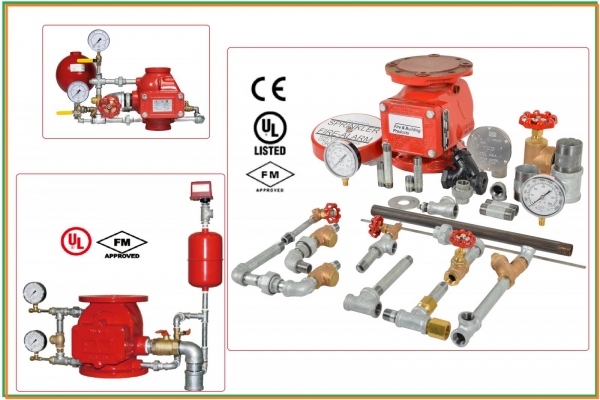
Professional Fire Protection Valve & Equipment Solutions – Leading Global Brands
24/03/2026
In any fire protection system, firefighting valves and water control equipment play a critical role in rapid response, system control, and the protection of life and property. Selecting products from world-leading brands that comply with international standards such as UL, FM, EN, and ISO ensures operational reliability, safety, and long-term performance.
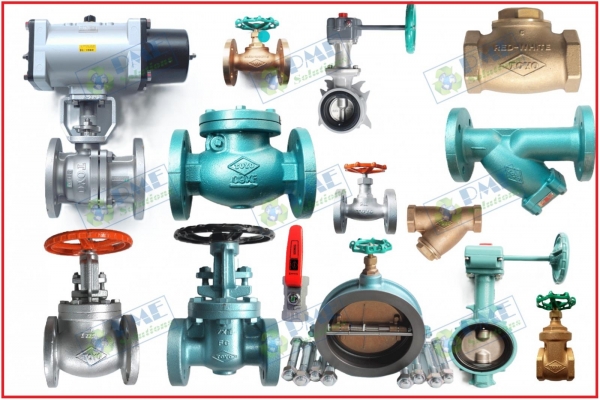
Toyo Valve Japan – Official Genuine Valves 2026 | Latest Price List
01/04/2026
Get the latest 2026 prices for genuine Toyo Valve Japan. Wide range of industrial Toyo valves, full CO & CQ, competitive prices. Contact us for professional guidance.
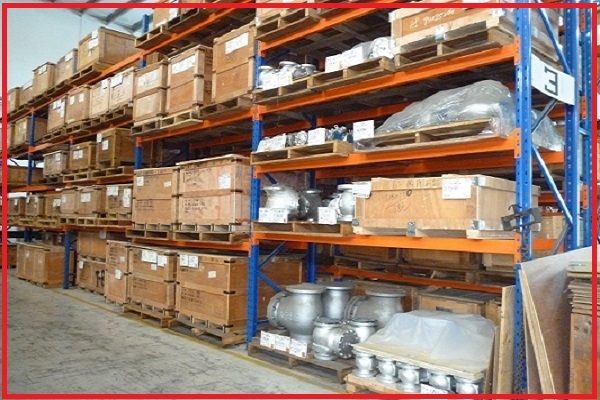
Industrial Valves
30/03/2026
Learn about industrial valves, types, applications, and latest prices. Contact Phuc Minh for high-quality valves and expert support.
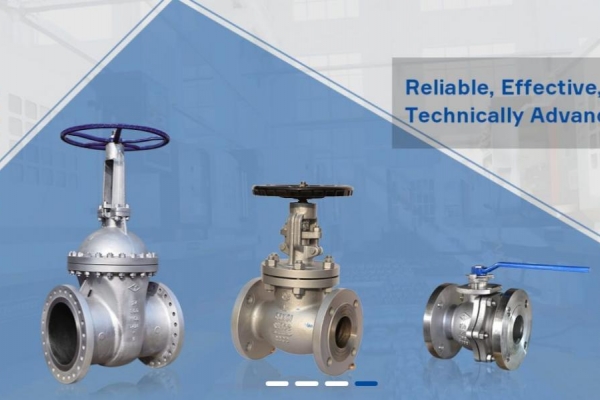
Yuanda Valve Price – Genuine Industrial Valves | PM-E.vn
31/03/2026
Get detailed Yuanda valve quotes in Vietnam from PM-E.vn. We provide a wide range of industrial valves: gate, globe, ball, butterfly, Y-strainer, and couplings. Large stock, fast delivery, competitive prices, complete CO/CQ. Contact 0907450506 – 0902720814.
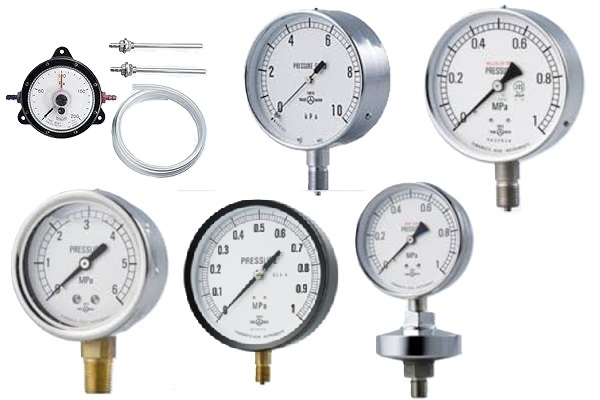
Quick Quote: Yamamoto Keiki – Genuine Japanese Pressure & Temperature Gauges for Industry
31/03/2026
Discover Yamamoto Keiki pressure gauges, thermometers, and pressure control devices – 100% made in Japan, highly accurate and durable, widely used in boilers, oil & gas, chemical, food & pharmaceutical, power plants, and HVAC systems.








Vertical Multistage Pump
Contact


AWN Dredger Pump
Contact

AMG Sand Gravel Pump
Contact

AnPump Horizontal Slurry Pump
Contact
About us
PHUC MINH ENGINEERING CO., LTD
Head Office: 92/38, No.12 St, Quarter 18, Binh Hung Hoa Ward, Ho Chi Minh City, Vietnam.
Tax Code: 0314405007
Tel: +842835352125
Fax: +842835350254
Email: info@pm-e.vn
Website: www.pm-e.vn
Quang Ngai Branch:
Address: 123/4 Vo Thi Sau, Chanh Lo, Quang Ngai, 840255, Vietnam
- Policies and regulations
- Payments
- Shipping and forwarding
- Warranty Policy
- Complaint handling process
- Exchanges and refunds
- Privacy Policy
Return Policy
Social network

.png)








Copyright © 20017 Copyright by Phuc Minh Technology Co., Ltd