



How Does Breather Valve Work?
Breather Valves
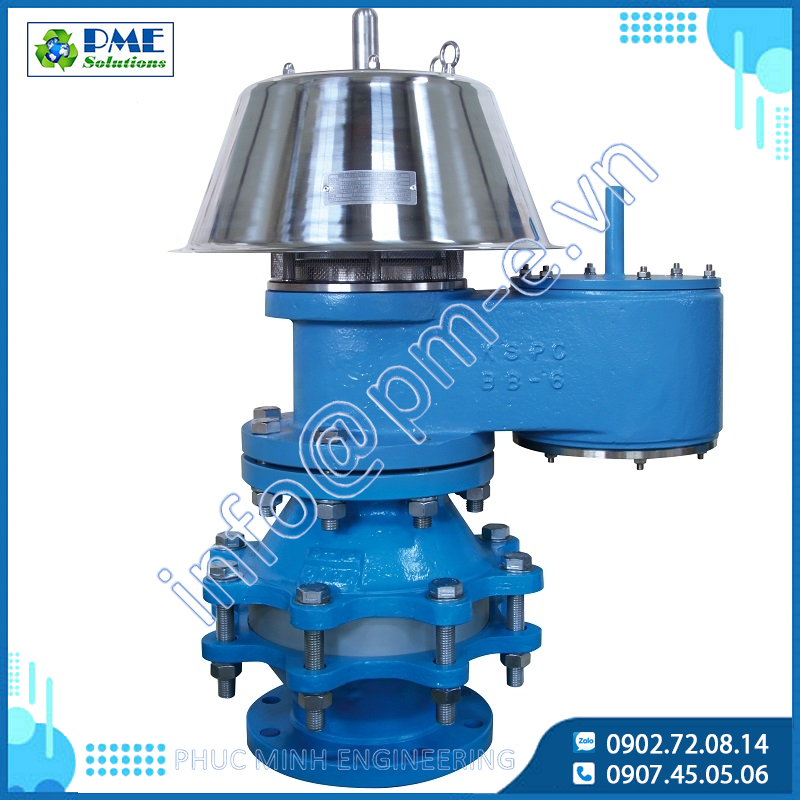
- Direct-acting pressure/vacuum relief valves are special types of safety valves specifically designed for tank protection.
- The product range includes pressure-only, vacuum-only, and combined pressure/vacuum valves, available with flanged connections or vented to atmosphere.
- These valves are widely used on bulk storage tanks, including fixed roof tanks with floating covers, to minimize evaporation losses.
- They prevent excessive pressure or vacuum build-up that could unbalance the system or damage the storage tank.
.jpg)
Why Use Breather Valves
- A breather valve is a protection device installed on the nozzle at the top of a fixed-roof atmospheric storage tank.
- Its primary purpose is to protect the tank from rupture or implosion.
- During material transfer, pressure inside the tank may increase or decrease, requiring the tank to “breathe” to maintain safe pressure levels. Hence the name breather valve.
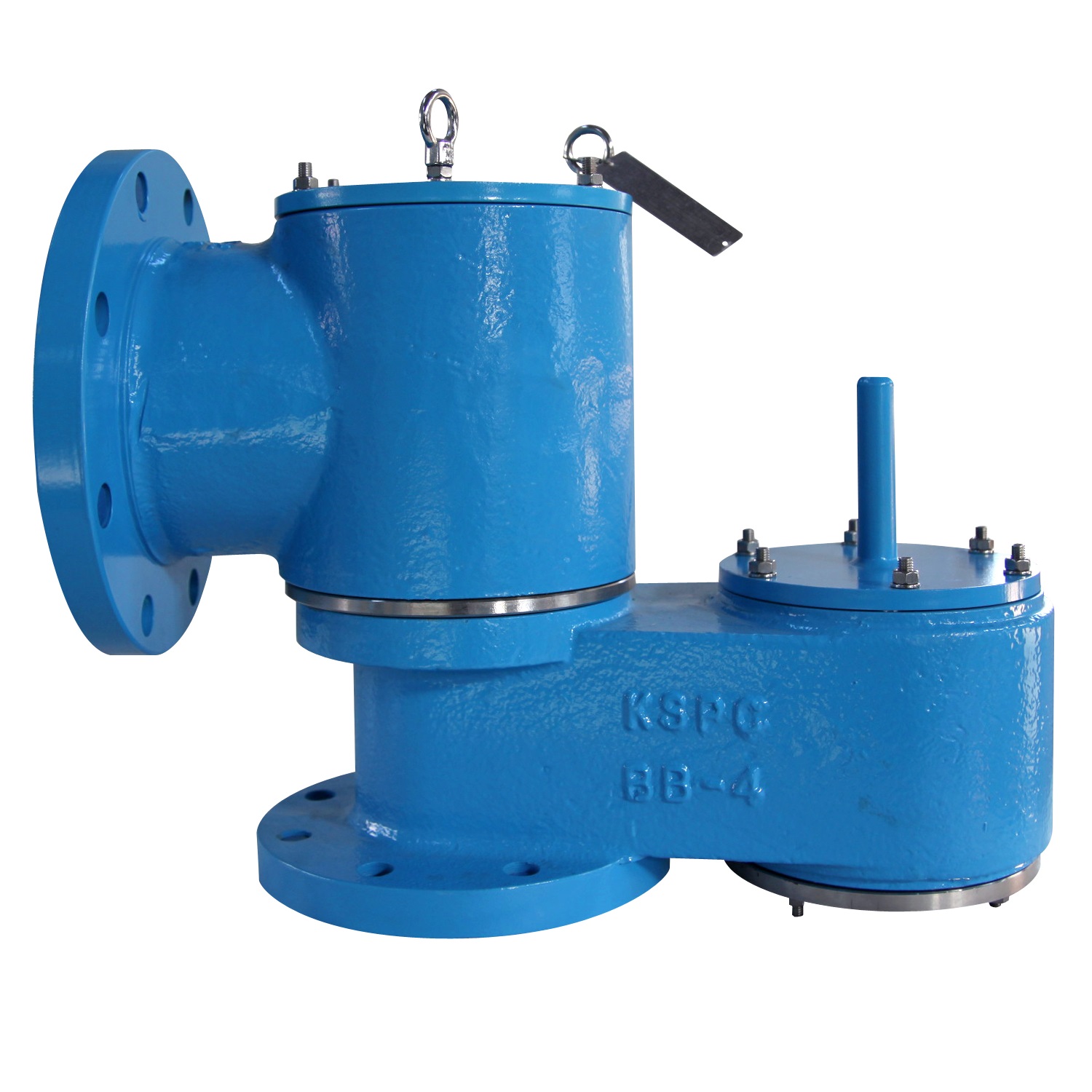
How Breather Valves Operate
- When the tank pressure is equal to atmospheric pressure, both the pressure (exhalation) valve and vacuum (inhalation) valve remain closed.
- When the tank pressure exceeds atmospheric pressure:
→ Internal pressure lifts the valve disc against gravity → the pressure valve opens → gas is released → pressure is balanced. - When the tank pressure drops below atmospheric pressure (vacuum condition):
→ Atmospheric air enters through the vacuum side → lifts the valve → the vacuum valve opens → air flows into the tank → pressure is balanced.
How Breather Valves Protect
- Pressure & vacuum settings
- Temperature variations:
- The frequency of valve opening depends on both the valve setting and temperature fluctuation levels.
- Temperature vs. humidity:
- Each valve opening introduces moisture into the tank, affecting the life of desiccants.
- Number of breathing cycles
Selecting the Right Valve
- Maximum pressure/vacuum the tank can withstand without leakage or deformation
- Effective tank volume
- Rate of pressure change during operation
Advantages of Breather Valves
- Reduces product evaporation → cost saving
- Enhances fire safety
- Protects tanks from pressure and vacuum damage
- Reduces corrosion and emissions
- Improves safety during pumping operations
- Low maintenance cost
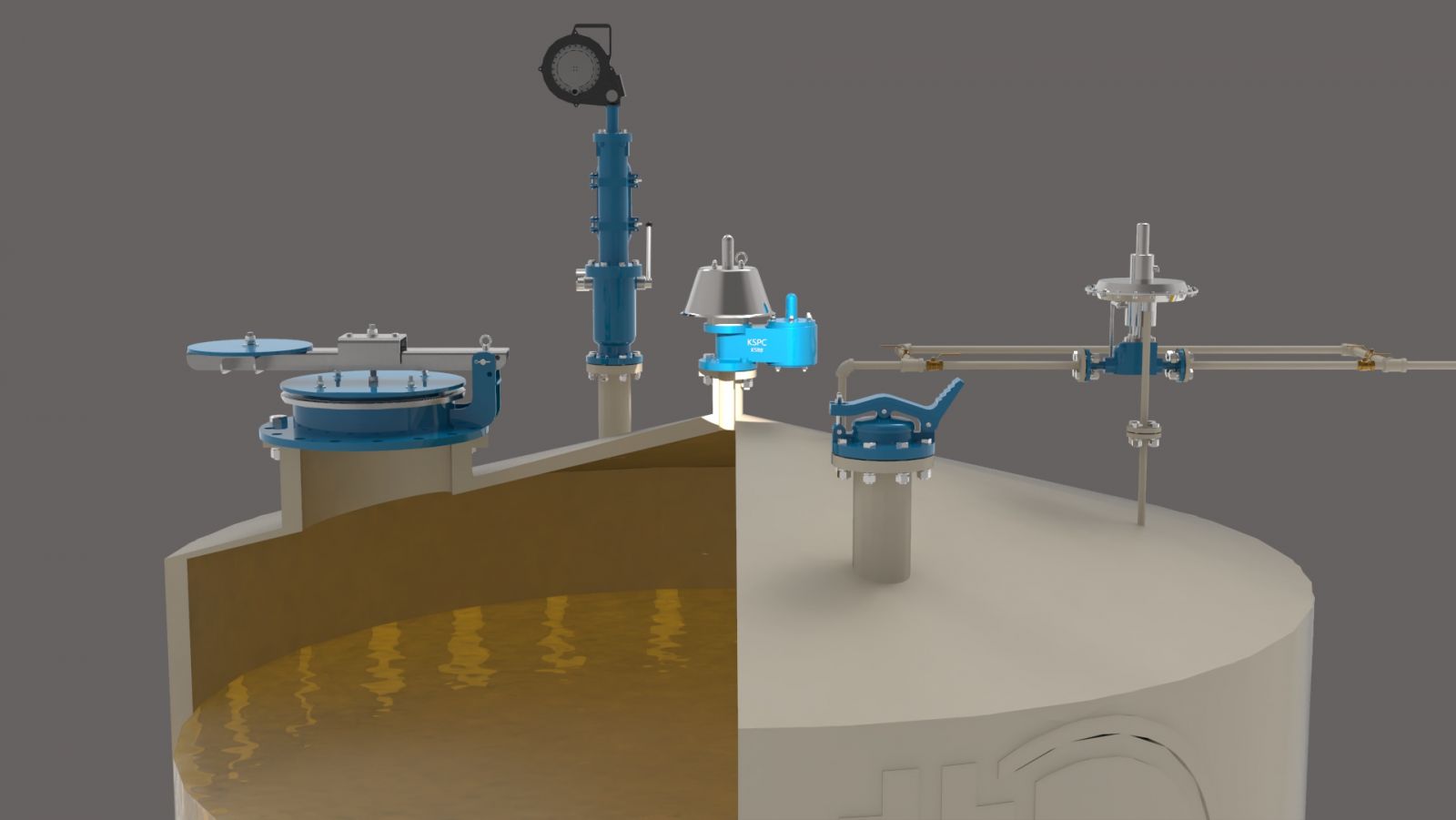
Simple summary: A breather valve operates like two safety valves installed in opposite directions—one for inward flow and one for outward flow. When the tank reaches the preset vacuum or pressure limit, the valve opens to allow air in or out, protecting the tank from damage.
Video about How Does Breather Valve Work?
Related News
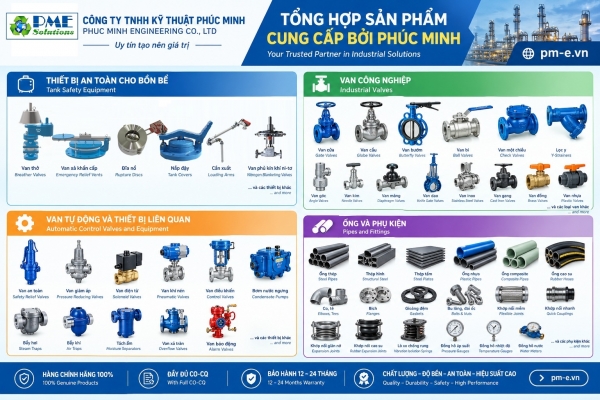
Overview of Products Supplied by Phuc Minh
13/10/2026
Below is the COMPREHENSIVE LIST OF MANUFACTURERS of valves, pipes, and fittings.
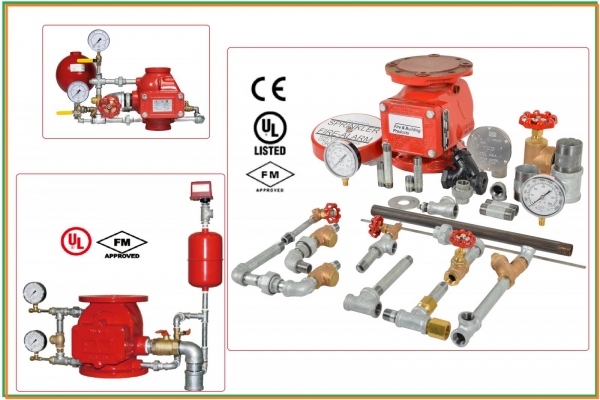
Professional Fire Protection Valve & Equipment Solutions – Leading Global Brands
24/03/2026
In any fire protection system, firefighting valves and water control equipment play a critical role in rapid response, system control, and the protection of life and property. Selecting products from world-leading brands that comply with international standards such as UL, FM, EN, and ISO ensures operational reliability, safety, and long-term performance.
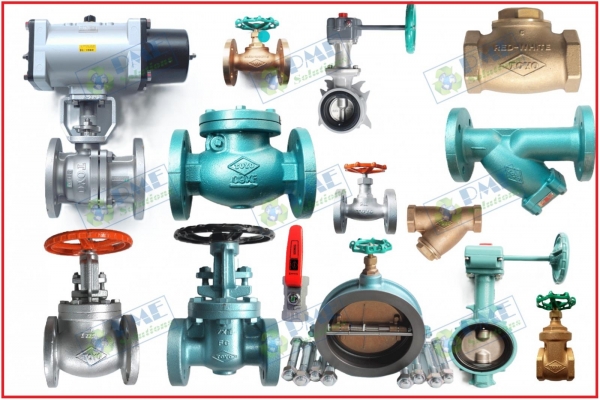
Toyo Valve Japan – Official Genuine Valves 2026 | Latest Price List
01/04/2026
Get the latest 2026 prices for genuine Toyo Valve Japan. Wide range of industrial Toyo valves, full CO & CQ, competitive prices. Contact us for professional guidance.
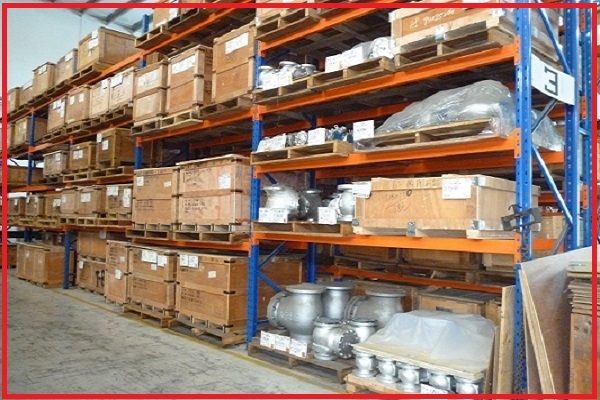
Industrial Valves
30/03/2026
Learn about industrial valves, types, applications, and latest prices. Contact Phuc Minh for high-quality valves and expert support.
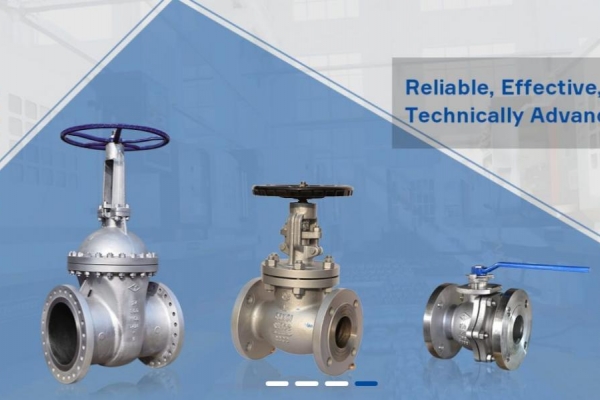
Yuanda Valve Price – Genuine Industrial Valves | PM-E.vn
31/03/2026
Get detailed Yuanda valve quotes in Vietnam from PM-E.vn. We provide a wide range of industrial valves: gate, globe, ball, butterfly, Y-strainer, and couplings. Large stock, fast delivery, competitive prices, complete CO/CQ. Contact 0907450506 – 0902720814.










About us

PHUC MINH ENGINEERING CO., LTD
Head Office: 92/38, No.12 St, Quarter 18, Binh Hung Hoa Ward, Ho Chi Minh City, Vietnam.
Tax Code: 0314405007
Tel: +842835352125
Fax: +842835350254
Email: info@pm-e.vn
Website: www.pm-e.vn
Quang Ngai Branch:
Address: 123/4 Vo Thi Sau, Chanh Lo, Quang Ngai, 840255, Vietnam
- Policies and regulations
- Payments
- Shipping and forwarding
- Warranty Policy
- Complaint handling process
- Exchanges and refunds
- Privacy Policy
Return Policy
Social network

.png)








Copyright © 20017 Copyright by Phuc Minh Technology Co., Ltd