



Automatic Industrial Valves: Types, Advantages & Applications (2026)
Automatic Industrial Valves: Types, Advantages, Disadvantages & Applications (2025 Guide)
1. What Are Automatic Valves? Their Role in Industrial Systems
Automatic valves are essential components in piping systems, designed to control or regulate fluid flow without manual operation. These valves operate based on pressure, electrical signals, pneumatic systems, or self-actuating mechanisms, helping to:
- Improve system efficiency
- Ensure operational safety
- Reduce labor and maintenance costs
- Easily integrate with automation systems
2. Common Types of Automatic Valves in Industry
2.1 Safety Valve
Advantages:
- Automatically releases pressure when exceeding safe limits
- Protects systems from overpressure
Disadvantages:
- Requires periodic inspection and maintenance
- May generate noise during pressure release
Applications:
- Boilers and compressed air systems
- Oil & gas and chemical industries
.jpg)
2.2 Pressure Reducing Valve (PRV)
Advantages:
- Maintains stable outlet pressure
- Protects downstream equipment
Disadvantages:
- Sensitive to debris and contaminants
- Requires regular maintenance
Applications:
- Water supply systems
- Food & beverage industry
.jpg)
2.3 Electric Control Valve
Advantages:
- High precision control
- Easy remote operation and automation integration
Disadvantages:
- Higher initial investment cost
- Requires continuous power supply
Applications:
- HVAC systems
- Water treatment and chemical industries
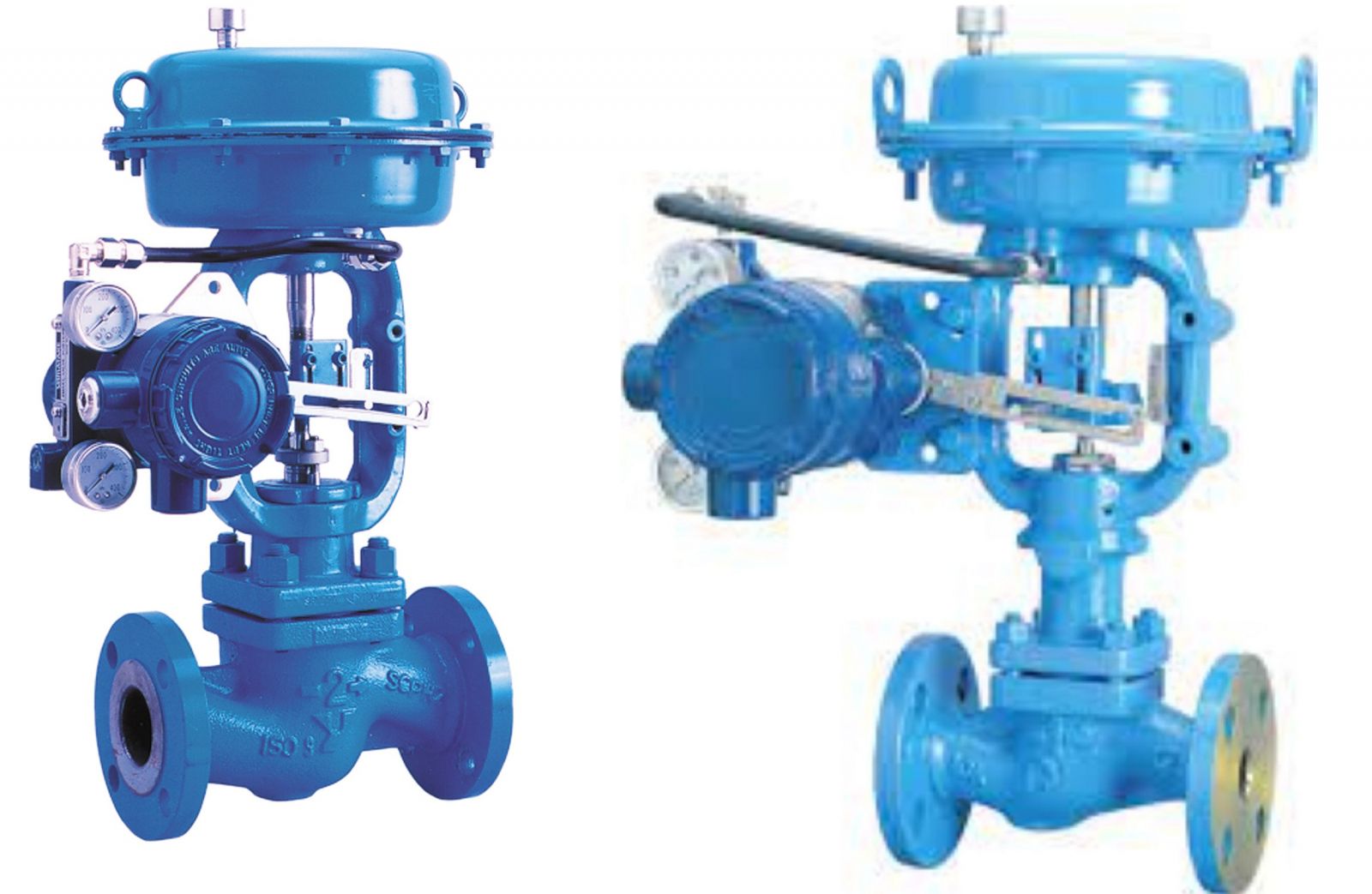
2.4 Pneumatic Control Valve
Advantages:
- Fast response time
- Safe in explosive environments (no electricity required)
Disadvantages:
- Requires compressed air system
- Higher operating costs if air supply is not available
Applications:
- Oil & gas and chemical plants
- Wastewater treatment systems
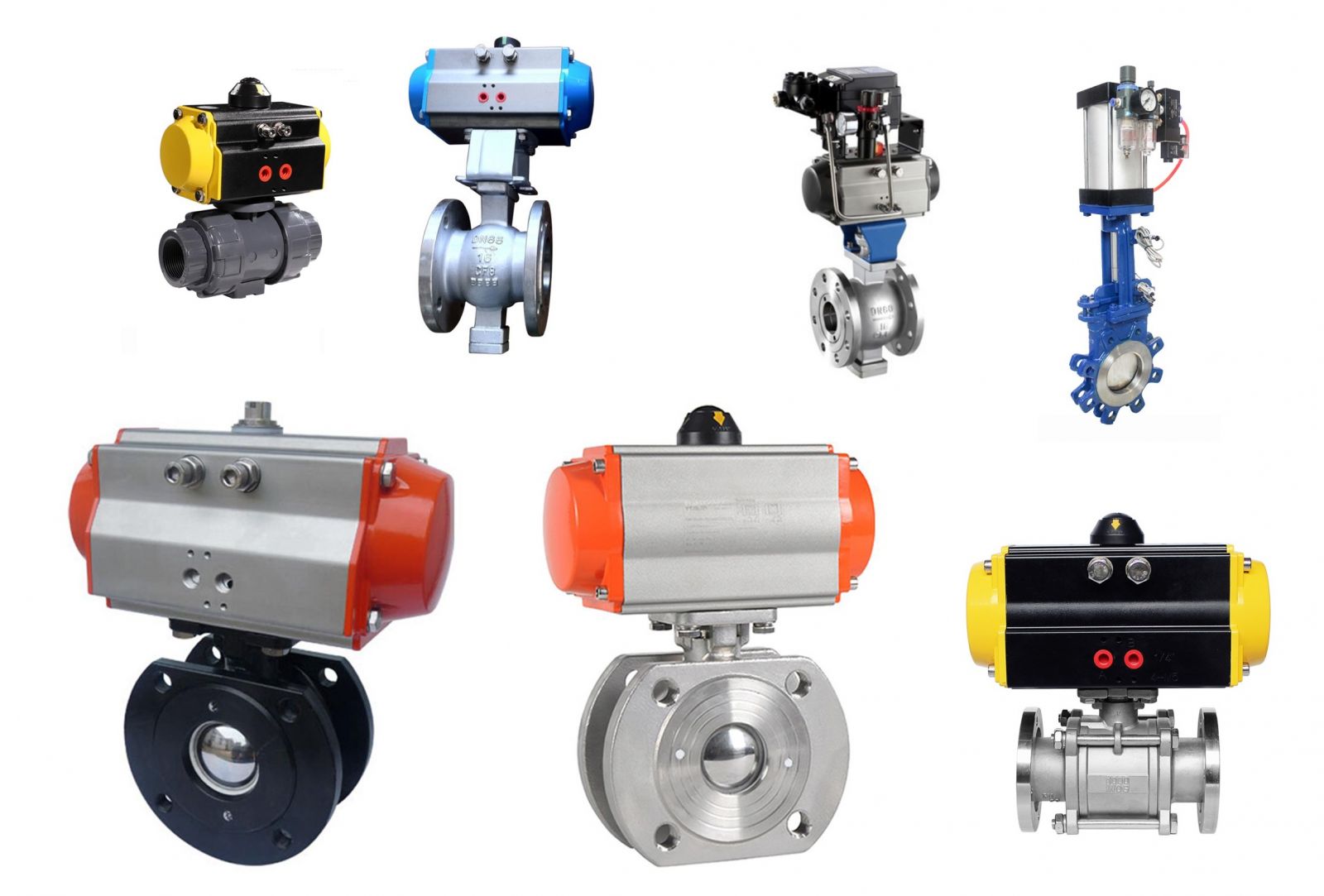
2.5 Solenoid Valve
Advantages:
- Fast and accurate on/off control
- Easy integration with automation systems
Disadvantages:
- Not suitable for large flow rates
- Requires stable power supply
Applications:
- Irrigation systems
- Water and food processing industries
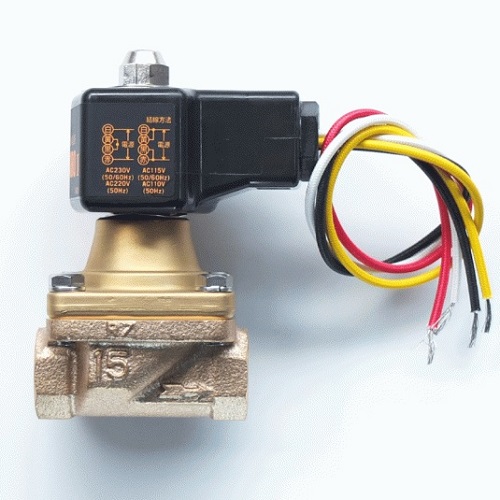
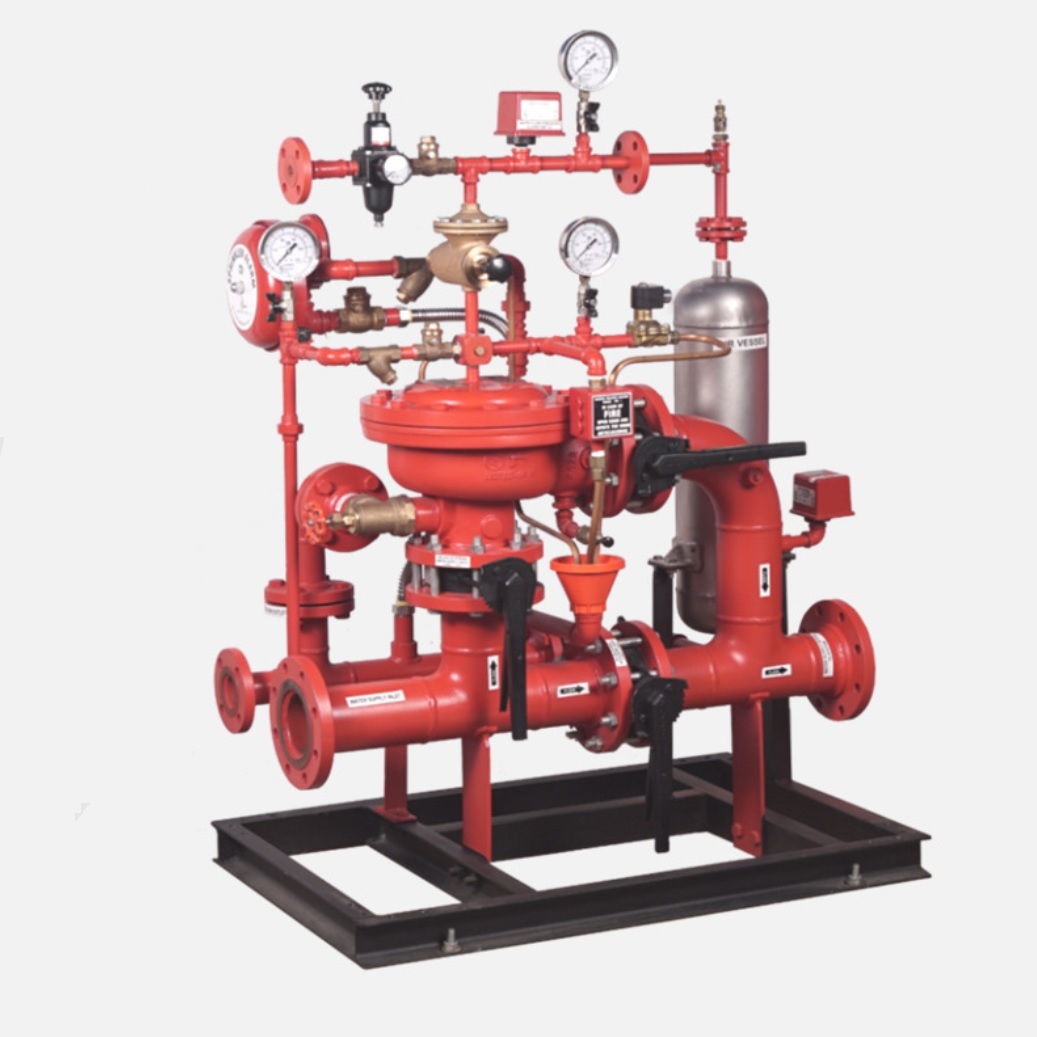
2.6 Deluge Valve
Advantages:
- Automatically discharges excess fluid or pressure
- Prevents overflow conditions
Disadvantages:
- Requires regular inspection
- May cause noise during operation
Applications:
- Storage tanks
- Wastewater treatment systems
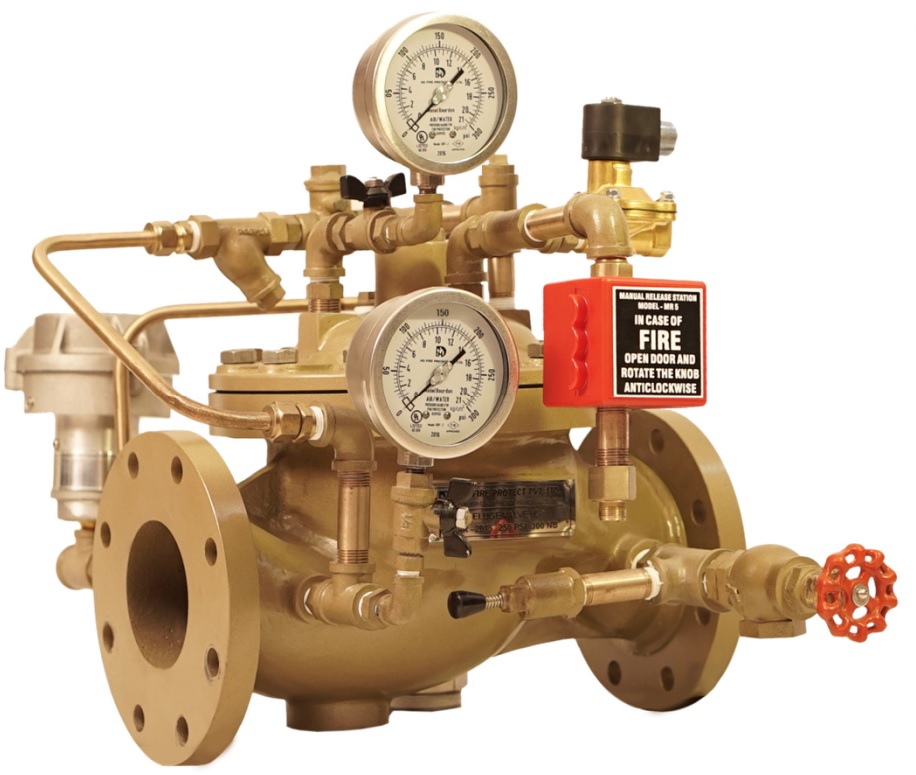
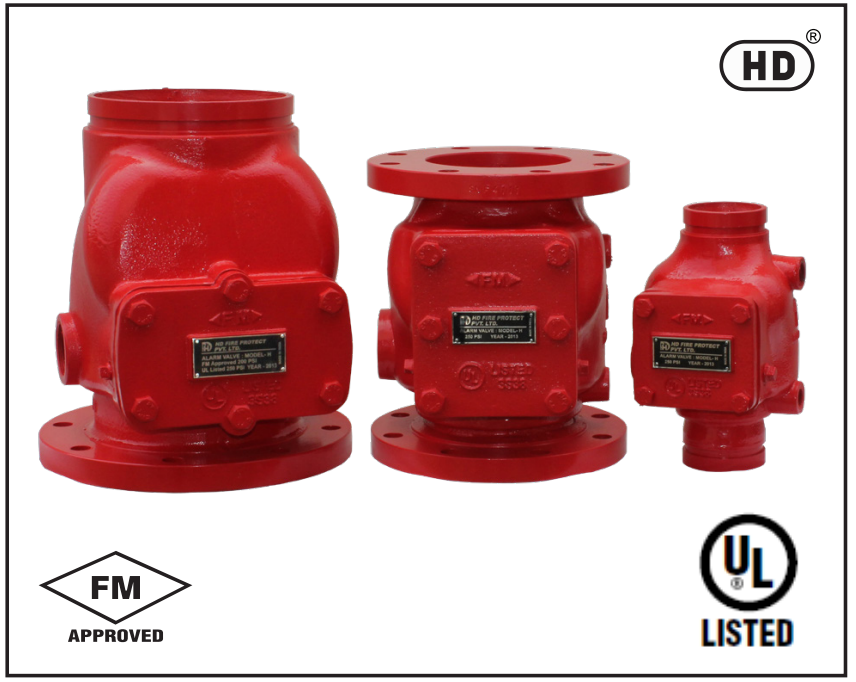
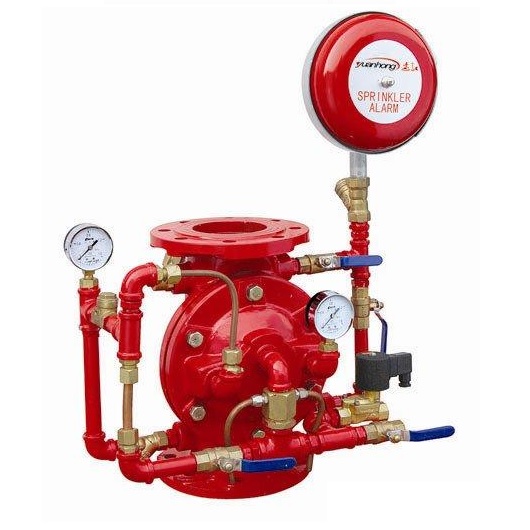
2.7 Alarm Valve
Advantages:
- Activates alarm when abnormalities occur
- Helps detect issues quickly
Disadvantages:
- Requires a complex control and sensor system
- Risk of false alarms if not properly calibrated
Applications:
- Fire protection systems (PCCC)
- Chemical processing plants
2.8 Breather Valve
Advantages:
- Balances internal tank pressure
- Prevents tank explosion or collapse
Disadvantages:
- Requires periodic maintenance
- Performance may be affected by harsh environments
Applications:
- Oil and chemical storage tanks
- Food & beverage industry
.jpg)
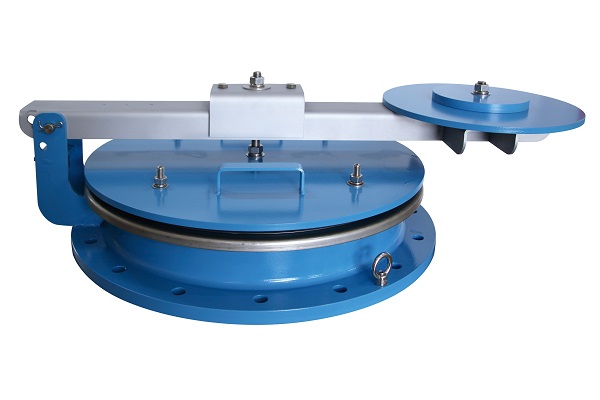
2.9 Emergency Relief Valve / Emergency Vent Cover
Advantages:
- Rapid pressure release during emergencies
- Fully automatic operation
Disadvantages:
- Requires regular maintenance
- May cause material loss during discharge
Applications:
- Boilers
- High-pressure systems
3. How to Choose the Right Automatic Valve
When selecting an automatic valve, consider:
- Operating pressure and temperature
- Type of fluid (water, steam, chemicals, etc.)
- Environmental conditions (corrosive, explosive, etc.)
- Automation requirements (electric or pneumatic)
- Brand reliability and durability
4. Where to Buy High-Quality Automatic Valves?
Phuc Minh Technical Co., Ltd (PM-E.vn) is a trusted supplier of industrial valves, offering genuine products with full CO-CQ certification and competitive pricing.
Main Products:
- OCV control valves
- Safety valves: Nacional, Broady
- Pressure reducing valves: VYC, Samyang
- Electric & pneumatic control valves: Tozen
- Solenoid valves: Yoshitake
- Overflow & alarm valves: Weflo
- Breather & emergency relief valves: KSPC
5. Contact Information
PHUC MINH TECHNICAL CO., LTD
- 🌐 Website: https://pm-e.vn
- 📧 Email: info@pm-e.vn
- ☎ Hotline/Zalo: +84 902 720 814 – +84 907 450 506 – +84 902 800 728 – +84 979 737 351
- 📍 Address: 92/38 Street No.12, Binh Hung Hoa Ward, Binh Tan District, Ho Chi Minh City, Vietnam
6. Conclusion
Automatic industrial valves play a critical role in controlling, protecting, and optimizing system performance. Choosing the right valve ensures safety, efficiency, and long-term cost savings.
👉 Contact PM-E.vn today for expert consultation and the best industrial valve solutions!
Related News
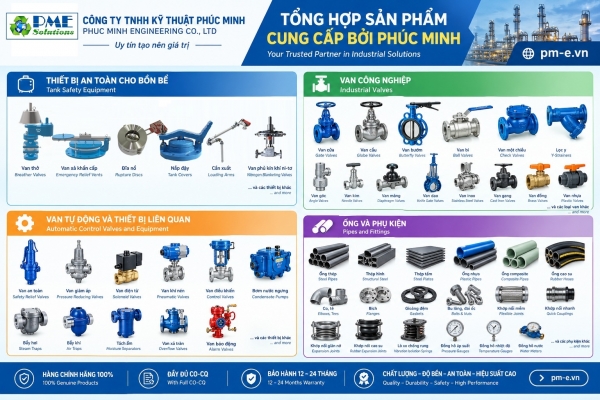
Overview of Products Supplied by Phuc Minh
13/10/2026
Below is the COMPREHENSIVE LIST OF MANUFACTURERS of valves, pipes, and fittings.
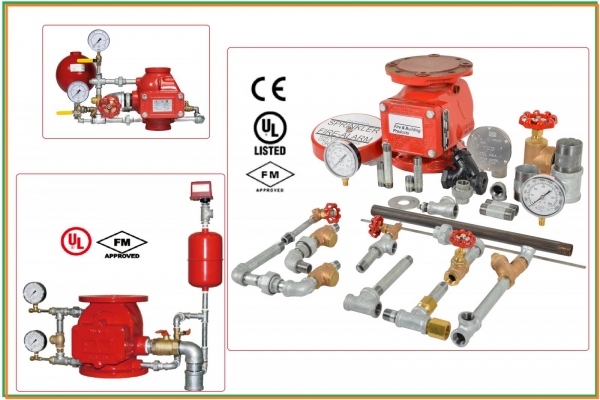
Professional Fire Protection Valve & Equipment Solutions – Leading Global Brands
24/03/2026
In any fire protection system, firefighting valves and water control equipment play a critical role in rapid response, system control, and the protection of life and property. Selecting products from world-leading brands that comply with international standards such as UL, FM, EN, and ISO ensures operational reliability, safety, and long-term performance.
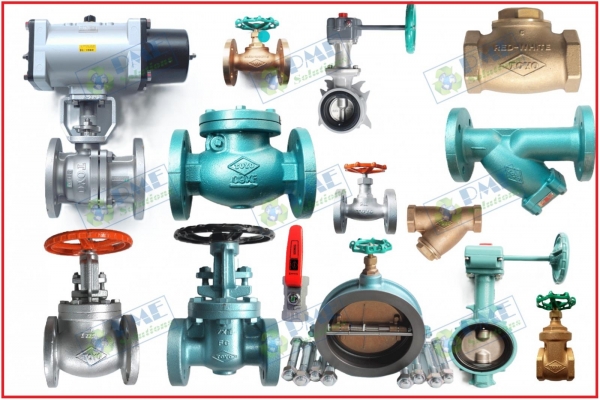
Toyo Valve Japan – Official Genuine Valves 2026 | Latest Price List
01/04/2026
Get the latest 2026 prices for genuine Toyo Valve Japan. Wide range of industrial Toyo valves, full CO & CQ, competitive prices. Contact us for professional guidance.
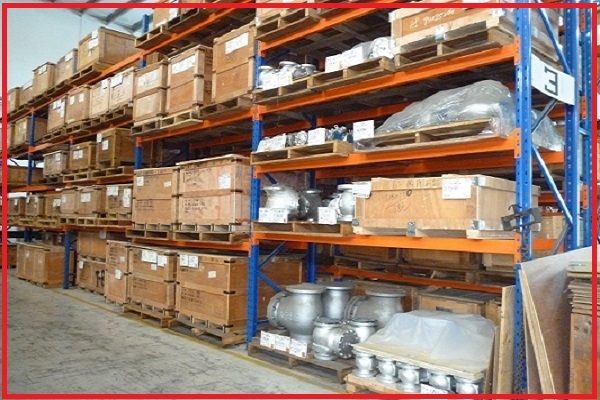
Industrial Valves
30/03/2026
Learn about industrial valves, types, applications, and latest prices. Contact Phuc Minh for high-quality valves and expert support.
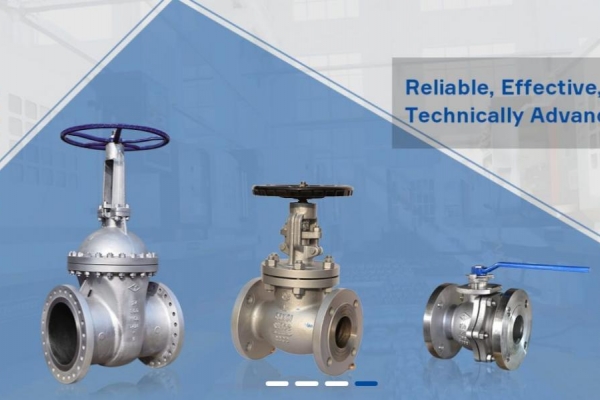
Yuanda Valve Price – Genuine Industrial Valves | PM-E.vn
31/03/2026
Get detailed Yuanda valve quotes in Vietnam from PM-E.vn. We provide a wide range of industrial valves: gate, globe, ball, butterfly, Y-strainer, and couplings. Large stock, fast delivery, competitive prices, complete CO/CQ. Contact 0907450506 – 0902720814.










About us

PHUC MINH ENGINEERING CO., LTD
Head Office: 92/38, No.12 St, Quarter 18, Binh Hung Hoa Ward, Ho Chi Minh City, Vietnam.
Tax Code: 0314405007
Tel: +842835352125
Fax: +842835350254
Email: info@pm-e.vn
Website: www.pm-e.vn
Quang Ngai Branch:
Address: 123/4 Vo Thi Sau, Chanh Lo, Quang Ngai, 840255, Vietnam
- Policies and regulations
- Payments
- Shipping and forwarding
- Warranty Policy
- Complaint handling process
- Exchanges and refunds
- Privacy Policy
Return Policy
Social network

.png)








Copyright © 20017 Copyright by Phuc Minh Technology Co., Ltd