



Self-Priming Pumps

Price: Contact
Self-priming pumps are a type of pump that can prime themselves by evacuating air from their suction piping. This allows them to overcome the limitation of standard centrifugal pumps which require the suction piping to be completely filled with liquid before they can begin pumping.
Self-priming Pump
- Engineered for Reliability, Built for Performance
AZX Self-priming pump
- Self-priming pumps are a type of pump that can prime themselves by evacuating air from their suction piping. This allows them to overcome the limitation of standard centrifugal pumps which require the suction piping to be completely filled with liquid before they can begin pumping. Self-priming pumps provide great utility by eliminating the need for additional equipment to independently prime the pump. They are able to repeatedly prime by having an integrated air-water separation chamber.
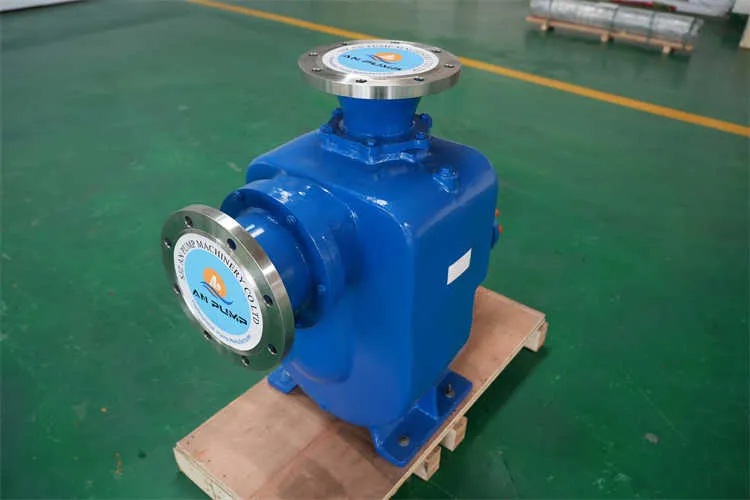
Technical Specifications
- Flow Rate: Up to 1,000 m³/hr
- Head: Up to 100 meters
- Temperature Range: -10°C to 120°C
- Materials: Cast Iron, Stainless Steel, Bronze
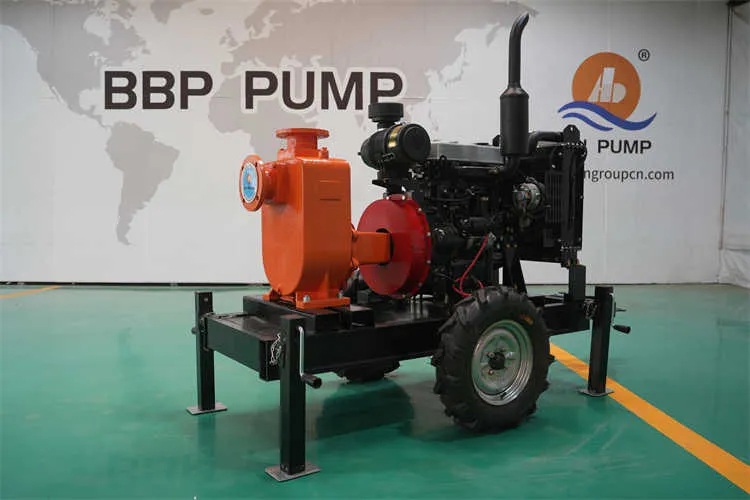
Superior Self-Priming Capability
- Our pumps prime automatically and reliably, eliminating the need for manual priming or foot valves. Rapid air removal ensures quick startup and consistent operation.
Maintenance-Friendly Design
- Back pull-out design allows for easy access to internal components without disturbing pipework. Replaceable wear rings and mechanical seals reduce maintenance costs.
Energy Efficient Operation
- Advanced hydraulic design maximizes efficiency, reducing power consumption and operating costs while maintaining superior performance.
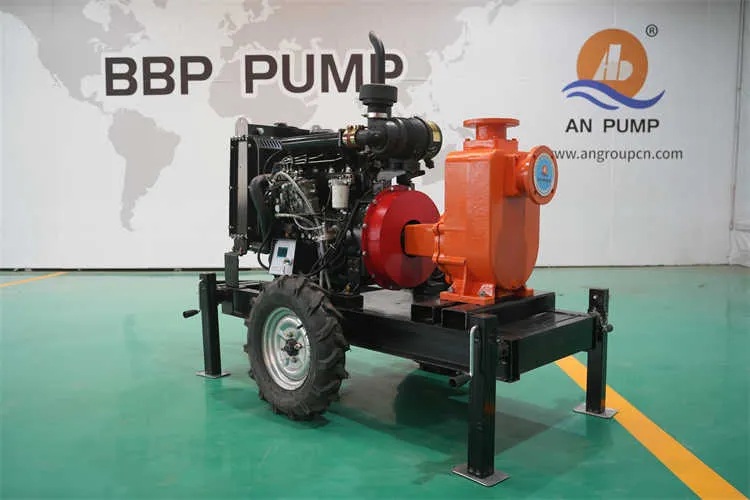
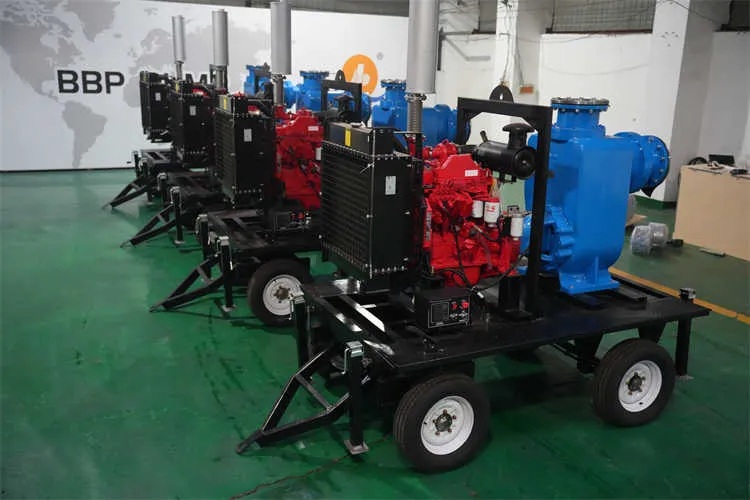
AZX Self-priming pump
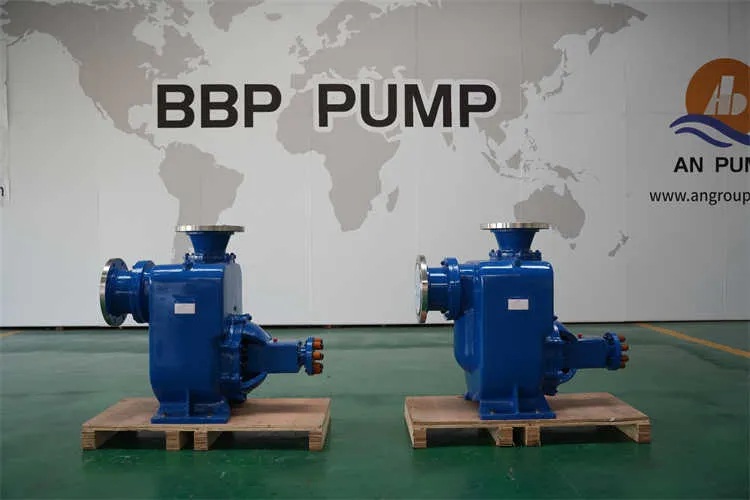
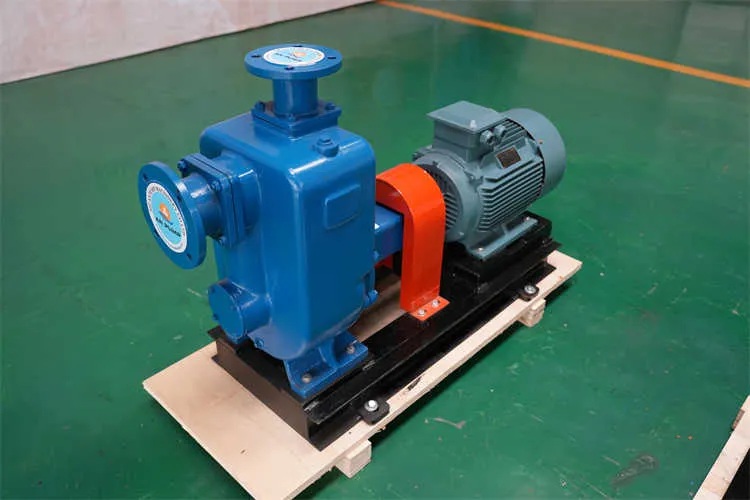
Our stunning photos showcase every angle and detail of our reliable self-priming pump. See to believe!
Typical Applications of Self-Priming Pumps
Pumping Clean Water
- Ideal for pumping clean water for irrigation, pools, pressure boosting.
Dewatering
- Frequently used for dewatering at construction, mining sites, etc. Handles solids Laden water.
Wastewater Removal
- Pumping of effluent water is an ideal application, since priming is required.
Flood Control
- Self-priming pumps are perfect for flood water removal, due to ability to handle solids and inconsistent water levels.
Aquaculture
- Useful for water circulation and aeration in fisheries and aquaponics systems.
Industrial Process
- Common for chemical transfer, circulation, boosting pressures.
Fire Suppression
- Often used as part of fire sprinkler systems where priming is necessary.
Boiler Feed
- Self-priming allows pumping feed water to boilers, even with presence of air pockets
Still confused about which self-priming pump to use?
- Consult your An Pump self-priming pump experts,just a few click to get right self-priming pump
FAQ About self-priming pumps
How Self-Priming Pumps Work ?
The key component that allows self-priming pumps to prime themselves is an air-water separation chamber built into the pump volute casing. This chamber is connected to the eye of the impeller via an internal recirculation pipe. When the pump first starts, the impeller begins spinning and generates centrifugal force. Any air or gas bubbles present near the eye of the impeller get slung outward into the air-water separation chamber. Here the buoyant gases accumulate at the top while liquid collects at the bottom.
An internal flap valve only allows the liquid to re-enter the eye of the impeller through the recirculation pipe. Meanwhile, trapped air escapes through a vent hole at the top of the chamber. This process repeats, evacuating more gas bubbles over time until the pump and suction line are fully primed with liquid. Once primed, the pump can recirculate liquid as normal. The flap valve closes, and the pump now pumps liquid through the discharge as required.
Self-priming pumps can re-prime themselves whenever necessary if air is introduced into the suction line. They achieve reliable self-priming capabilities through intelligent internal designs.
Advantages of Self-Priming Pumps
There are many great benefits that self-priming pumps provide:
- Prime Automatically: The key advantage is their ability to prime themselves reliably. This eliminates the external priming equipment needed for standard pumps.
- Versatile Applications: Their self-priming functionality enables a wider range of applications versus standard pumps - such as handling suction lift conditions.
- Reduce Setup Complexity: Without requiring external priming apparatus, self-priming pumps simplify system setup.
- Resistant to Air Entrainment: They can re-prime if air enters the suction line, enabling flexibility.
- Reduce Costs: No need for additional priming equipment lowers costs. Self-priming pumps also have good efficiency.
- Compact Design: Having integrated priming chambers enables a compact, lightweight construction.
Maintenance Tips for Self-Priming Pumps
To sustain optimal performance, self-priming pumps require some periodic maintenance:
- Inspect Pump Internals: Check for wear of impeller vanes, volute casing and seals. Replace if worn.
- Clean Air-Water Separator: Remove any debris/sediment from priming chamber. Keeps priming reliable.
- Check Flap Valve: Ensure flap valve in recirculation pipe is functioning well. Critical for re-priming.
- Replace Seals Regularly: Mechanical seals wear over time. Change annually or semi-annually.
- Lubricate According to OEM: Keep motor bearings and other lubricated parts well-greased.
- Check Suction & Discharge Valves: Replace if worn. Tight valves are needed for proper priming.
- Clear Blockages: Remove any obstructions in intake and outlet piping.
- Confirm Electrical Connections: Check for loose wiring or damaged power cables.
Following basic maintenance procedures like these will maximize the performance and service life of self-priming pumps.
Types of Self-Priming Pumps
There are two main types of pump designs used to create self-priming pumps:
- Rotary Vane Self-Priming Pumps: These use a rotary vane impeller inside an eccentric casing to create suction. An air-water separation chamber is integrated into the volute to enable self-priming abilities.
- Centrifugal Self-Priming Pumps: These use a standard centrifugal impeller. The pump volute features an internal recirculation pipe and air-water separation chamber. Centrifugal models are better for high flow, high head applications.
Within these designs there are configurations optimized for various purposes:
- Standard Self-Priming Pumps: The most common variety, these handle low to moderate heads.
- High Head Self-Priming Pumps: Enable pumping to higher discharge heads above 50 feet. Achieved via multi-stage impellers.
- Self-Priming Trash Pumps: Designed to pump water with solids up to 2 inches in size, making them suitable for dirty water.
- Self-Priming Dewatering Pumps: Optimize for pumping high volumes. Used for dewatering applications.
So there are self-priming pumps tailored to different needs, in addition to the standard models.
Related projects










About us

PHUC MINH ENGINEERING CO., LTD
Head Office: 92/38, No.12 St, Quarter 18, Binh Hung Hoa Ward, Ho Chi Minh City, Vietnam.
Tax Code: 0314405007
Tel: +842835352125
Fax: +842835350254
Email: info@pm-e.vn
Website: www.pm-e.vn
Quang Ngai Branch:
Address: 123/4 Vo Thi Sau, Chanh Lo, Quang Ngai, 840255, Vietnam
- Policies and regulations
- Payments
- Shipping and forwarding
- Warranty Policy
- Complaint handling process
- Exchanges and refunds
- Privacy Policy
Return Policy
Social network

.png)








Copyright © 20017 Copyright by Phuc Minh Technology Co., Ltd